
 +7(495)150-11-22
  +7(800)250-87-00
  +7(499)110-40-67


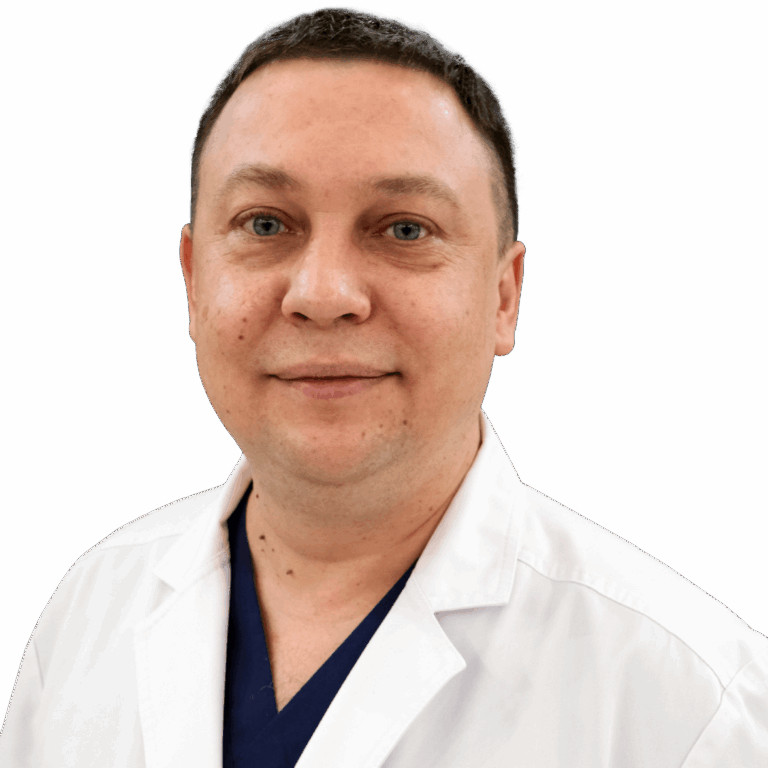
Endoscopist
An endoscopist is a specialist with a higher medical education who uses a computer and special optical equipment in their examinations.
Endoscopy is a method for diagnosing internal organs without open surgical intervention. During the procedure, the endoscopist inserts a special tube equipped with a lens at the tip into the internal organ and transmits the image to a monitor. The doctor then examines the internal organ for changes in structure, color, specific functions, or the presence of lesions and neoplasms. The examination helps detect diseases of various types at early stages and prevent their progression. The procedure is also performed prior to surgeries or other interventions to rule out potential complications.
The endoscopist identifies changes in the organ and prepares conclusions for the attending physician. Typically, a referral to an endoscopist comes from a narrow‑specialist doctor, but a comprehensive examination can also be carried out at the patient’s request.
The main diagnostic examinations performed by an endoscopist include:
- examination of the stomach (gastroscopy);
- examination of the larynx;
- examination of the bronchi;
- examination of the intestine (colonoscopy).
In some cases, the endoscopist also performs therapeutic procedures during the appointment, such as taking biological material (biopsy), stopping bleeding, or removing small lipomas and polyps from the walls of the internal organ.
At an oncology center, the endoscopist works in collaboration with oncologists, radiologists, and surgeons. For complex cases, doctors may seek a “second opinion” from colleagues, including those from other branches of the center or even from foreign partner clinics.
The doctor’s appointment begins with an explanation of the examination technique and a questionnaire to identify possible allergic reactions. The endoscopist performs the procedure under local anesthesia or with the use of other pain‑relieving medications. After obtaining the results, the endoscopist provides the patient with a video report and offers consultation, or forwards the findings to the attending physician to determine further treatment.
Appointments with the doctor should be made in advance, as the procedure requires mandatory preparation. For example, before gastroscopy, the patient must fast for several hours and avoid eating. All pre‑endoscopy recommendations are provided by the attending physician or the center’s administrator at the time of booking.
Following the recommendations ensures that the endoscopic examination is carried out correctly and that reliable results are obtained. The endoscopist assumes responsibility for performing the procedure and obtaining the results. Doctors at the National Medical Research Radiological Centre of the Ministry of Health of the Russian Federation are highly qualified and work with state‑of‑the‑art, expert‑class equipment. The specialists follow effective clinical guidelines aimed at preserving patients’ health.