

 +7(800)250-87-00
  +7(495)150-11-22
  +7(499)110-40-67


DENDRITIC CELL VACCINES
Cancer remains one of the most serious medical challenges, and modern science is constantly seeking new ways to enhance the body’s ability to fight tumors. One of the most promising approaches is immunotherapy. Unlike traditional methods, it does not act directly on the tumor but helps the patient’s immune system recognize and destroy cancer cells more effectively.
What Makes Cancer Vaccine Therapy Special
The main goal of cancer vaccine therapy is to generate a highly specific immune response strictly targeted at tumor antigens. “Cancer vaccine therapy can generate an immune response that precisely targets specific tumor antigens. These molecular components stimulate the subsequent death of tumor cells”.
Dendritic Cells play a key role in this process — they act as “instructors” for the immune system. Their task is to recognize foreign elements, “show” them to lymphocytes, and trigger a targeted attack.
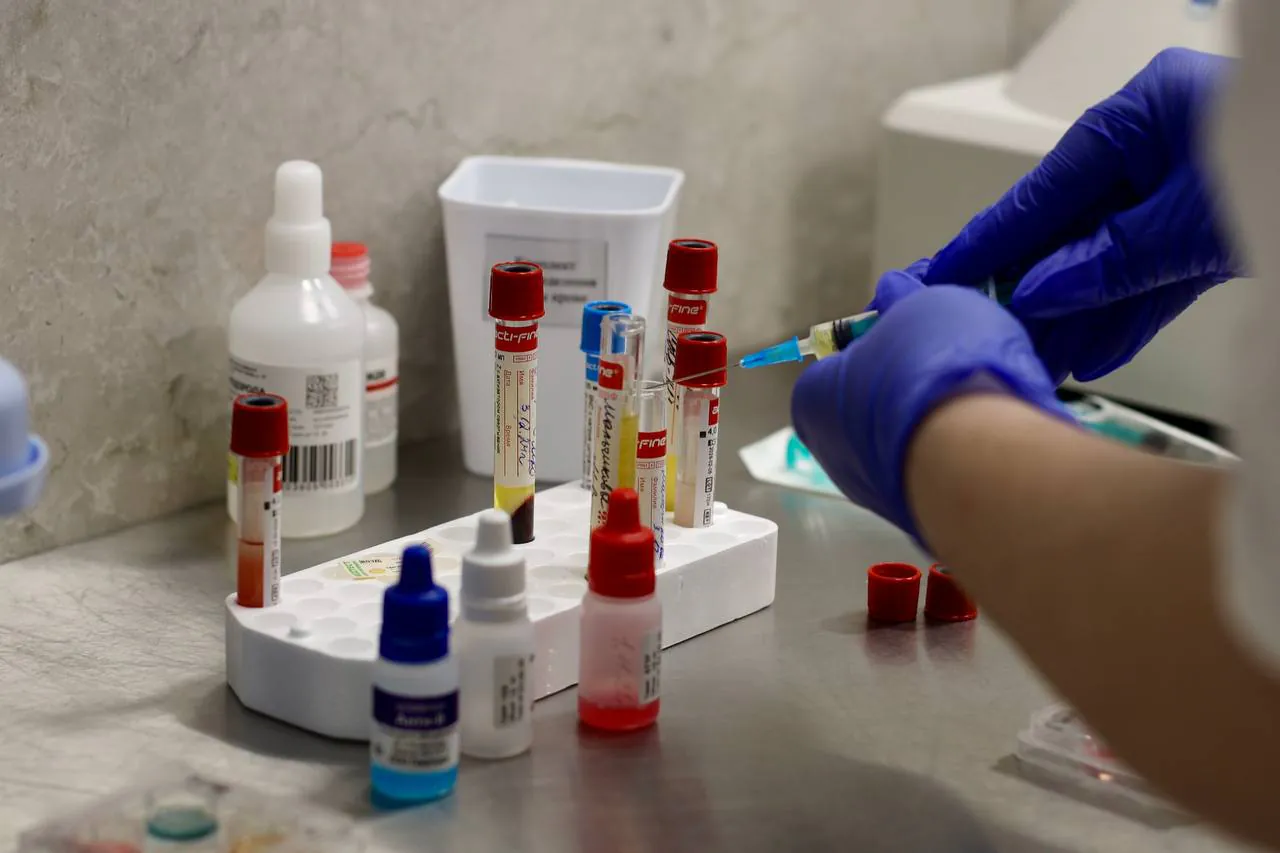
How an Individual Vaccine Is Created
A Dendritic Cell vaccine is a personalized drug: it is manufactured specifically for a particular patient. The process goes as follows:
- Venous blood collection. A sample of the patient’s peripheral blood is sufficient to produce the vaccine.
- Isolation of mononuclear cells. In a specialized laboratory, mononuclear cells are isolated from the blood — these are the cells from which dendritic cells are then obtained. Strict quality and sterility standards are maintained throughout the process.
- Maturation of dendritic cells. Mononuclear cells are induced to mature into dendritic cells — these have the maximum capacity to activate an immune response.
- “Loading” with antigens. Dendritic cells are “trained” to recognize the tumor: they are artificially loaded with tumor antigens.
- Obtaining the antigens. Tumor antigens are isolated from the biomaterial taken from the patient during a biopsy. “For this process, a biopsy sample of the patient’s tumor is sufficient,” explains the expert. “This way, we get the most comprehensive targets we can act on”.
After the “training”, the prepared dendritic cells are administered to the patient. They interact with lymphocytes and launch a cascade of immune reactions aimed at destroying cancer cells.
Why Dendritic Cells Are Particularly Valuable for Anticancer Therapy
Dendritic cells have several important advantages that make them especially valuable for antitumor therapy:
- High immune activation capacity. Dendritic cells effectively “activate” T lymphocytes, triggering a powerful and targeted antitumor response.
- Functioning in challenging conditions. The tumor microenvironment often contains factors that suppress immunity. Dendritic cells can resist this immunosuppressive effect and maintain their activity.
- Specificity. The vaccine acts precisely: it stimulates an attack specifically on the antigen’s characteristic of the particular patient’s tumor, reducing the risk of damaging healthy tissues.
Who Might Benefit from This Therapy
Dendritic cell vaccines are not a universal solution for all cancer patients, but in some cases, they become an important element of comprehensive treatment. They are most commonly used:
- as part of maintenance therapy after the main treatment;
- in cases of a high risk of recurrence;
- when the tumor shows resistance to standard therapies;
- to establish long‑term immune control over the disease.
The decision on whether a dendritic cell vaccine can be used is made individually, taking into account the tumor type, disease stage, and the patient’s general condition.

Patient Journey to the Clinical Immunology Department
The path to personalized immunotherapy at the Clinical Immunology Department of the A. Tsyb MRRC is clearly structured.
The patient comes to the Clinical Immunology Department, where a multidisciplinary team (oncologist, immunologist, biologist) assesses the feasibility of using a dendritic cell vaccine. At this stage, they:
- analyze the tumor type and stage;
- check whether there is a sufficient amount of biopsy material that has not been chemically fixed (without formalin and paraffin embedding);
- evaluate the patient’s general condition and possible contraindications.
If the decision is positive, the patient is informed about the timeframes, specifics of the procedure, and given the necessary recommendations.
The finished product is administered to the patient according to an individually tailored schedule. After each procedure, the patient’s condition is monitored: tolerance to the therapy, possible reactions, and the dynamics of indicators are recorded. If necessary, the schedule is adjusted based on the clinical picture.
Important Points for the Patient
- Biopsy material. It is critically important for the vaccine production that the tumor fragment has not undergone chemical treatment (formalin) or paraffin embedding. If the patient already has archived samples, specialists evaluate their suitability in advance.
- Timeframes. Vaccine production is a labor‑intensive process that requires time for cultivation and quality control. The production timeframes are coordinated with the attending physician.
- Personalization. Each vaccine is unique: it is created strictly for one patient and cannot be used for others.
This carefully structured pathway helps ensure high quality of personalized therapy and maximum safety for the patient.
If you still have questions about the possibilities of immunotherapy, you can consult the specialists at the A. Tsyb MRRC — the doctors will help you understand the treatment options and choose the optimal strategy.