 +7(495)150-11-22
  +7(800)250-87-00
  +7(499)110-40-67


Urology department with chemotherapy
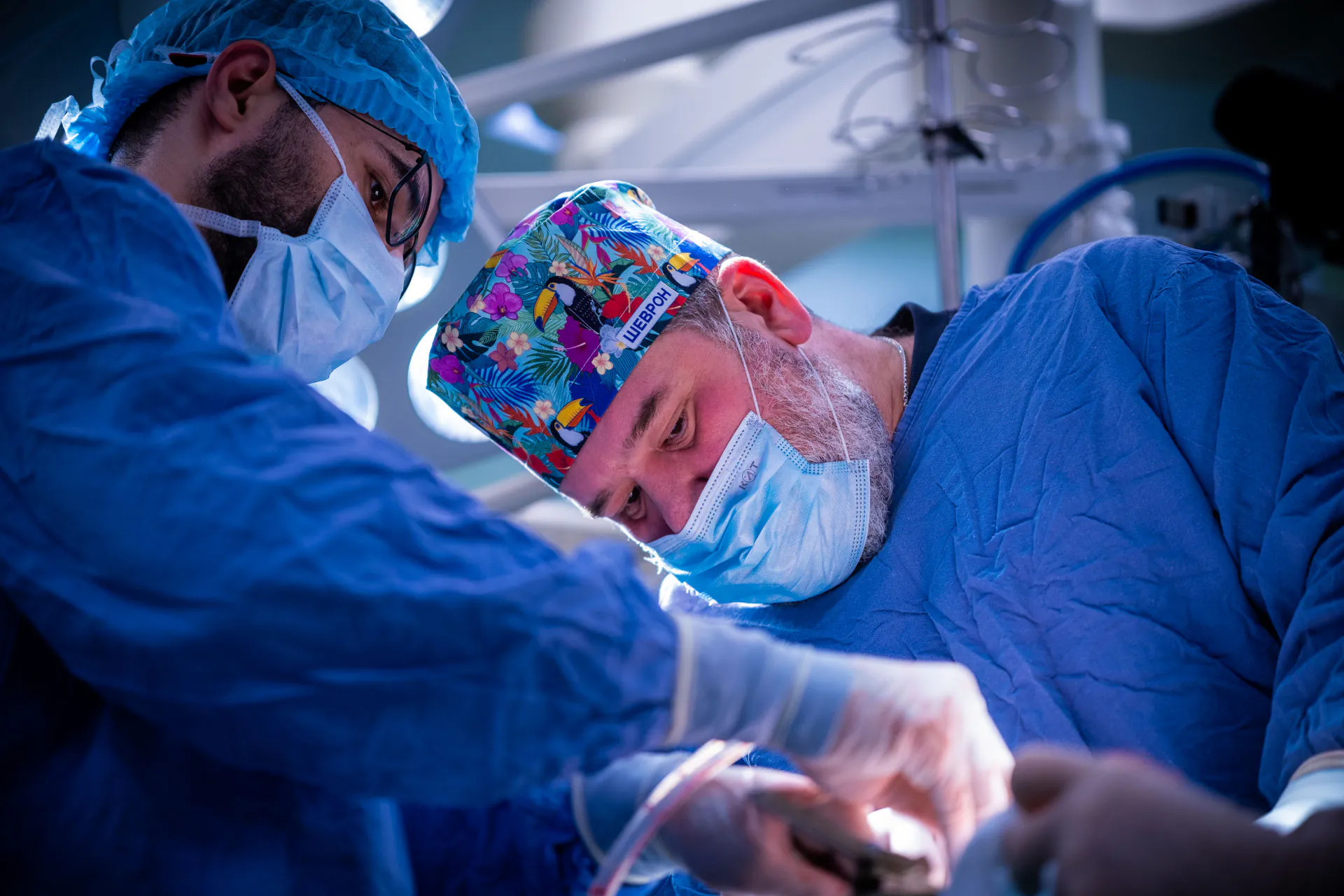
The Urology Department with chemotherapy of the P.A. Herzen MNIIOI is a leader in Russian oncology in reconstructive and plastic surgery of bladder tumors.
- Many years of experience
- Organ-preserving surgeries
- Optimization of treatment methods
- Mandatory medical insurance, high-tech medical care (quota)
Main areas of activity of the Urology Department with Chemotherapy at the P. Hertsen MORI
Surgical Treatment
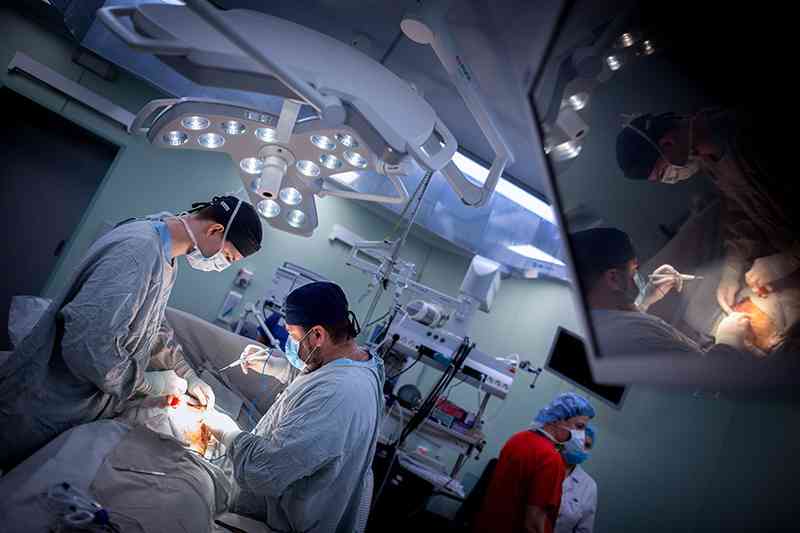
The department performs over 600 surgical operations annually. However, the number of operations increases each year due to the rise in oncological diseases. Thanks to the coordinated work of surgeons with extensive experience in the treatment of urological cancers, the department carries out operations of any complexity. Endoscopic methods of bladder treatment using photodynamic therapy have become widely used, significantly reducing the number of recurrences. Laparoscopic treatment is provided to patients with kidney, bladder, and prostate tumors. High professionalism and modern technical equipment at the institute enable immediate diagnosis and the implementation of operative treatment methods.
Combined treatment
The Department provides combined treatment for patients, where the method involves not only surgical procedures but also other modern techniques such as remote radiation therapy, medication treatments, chemotherapy, and hormone therapy. The Oncourology department with chemotherapy has developed unique experience in surgical and reconstructive-plastic treatment of the bladder. Methods concerning photodynamic therapy and photodynamic diagnostics have been developed and patented.
Organ-preserving treatment
Modern methods for treating prostate cancer are also used in patient care: brachytherapy and cryotherapy. These technologies allow treatment with radioactive sources that are implanted directly into the malignant tumor. Cryoablation is also used, which freezes the prostate tissue in such a way that the malignant cells are destroyed. These modern techniques are called minimally invasive, organ-preserving, which helps to improve the quality of life of patients after undergoing cancer treatment.

Treatment programmes
- Orchifuniculectomy in the context of combined treatment;
- Nerve-sparing retroperitoneal lymphadenectomy;
- Laparoscopic nerve-sparing retroperitoneal lymphadenectomy.
- Transurethral resection (TUR) of the bladder;
- Transurethral resection (TUR) of the bladder with photodynamic diagnosis (PDD) and/or photodynamic therapy (PDT);
- Bladder resection with photodynamic diagnosis (PDD) and/or photodynamic therapy (PDT);
- Radical cystectomy with reconstruction using a segment of small or large intestine.
- Radical prostatectomy;
- Nerve-sparing radical prostatectomy;
- Radical prostatectomy with extended lymphadenectomy;
- Radical prostatectomy via perineal approach with video-assisted lymphadenectomy;
- Laparoscopic pelvic lymphadenectomy;
- Prostate brachytherapy; Photodynamic therapy (PDT) of the prostate.
- Nephrectomy with extended lymphadenectomy;
- Nephrectomy with resection of adjacent organs;
- Nephrectomy with thrombectomy from the inferior vena cava; Laparoscopic nephrectomy; Laparoscopic kidney resection;
- Resection of a solitary kidney;
- Resection in bilateral kidney disease;
- Radiofrequency ablation of a kidney tumor;
- Superselective embolization of the renal artery.
- Nephroureterectomy with bladder resection;
- Nephroureterectomy with bladder resection and extended lymphadenectomy; Laparoscopic nephroureterectomy with bladder resection;
- Adrenal cancer.
- Adrenalectomy;
- Adrenalectomy with extended lymphadenectomy;
- Adrenalectomy with resection of neighbouring organs;
- Adrenal gland resection;
- Laparoscopic adrenalectomy;
- Laparoscopic adrenal gland resection.
About the Department
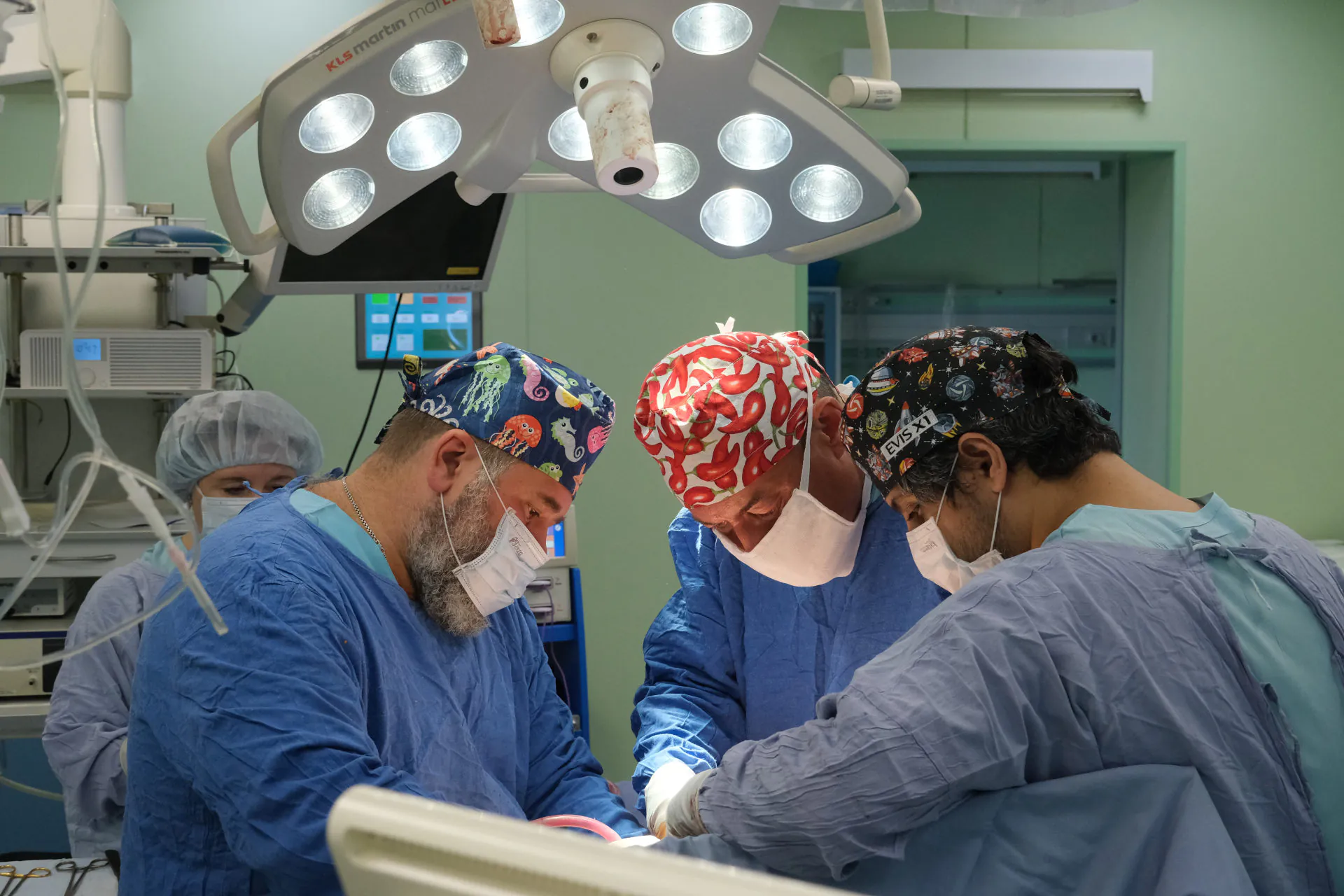
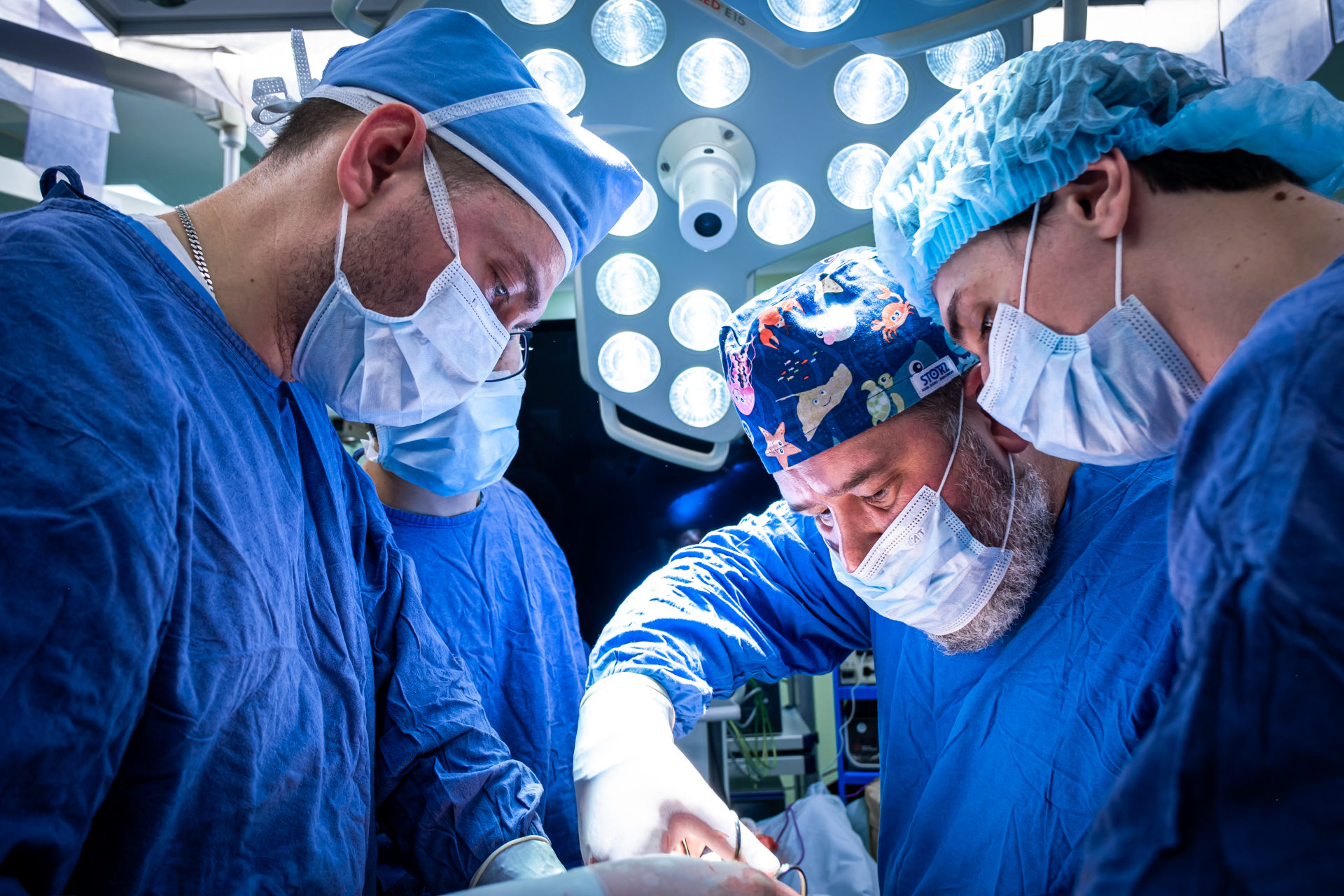
The Urology Department with Chemotherapy at the P. Hertsen Moscow Oncology Research Institute (MORI) – branch of the National Medical Research Radiological Centre (NMRRC) of the Ministry of Health of the Russian Federation—is one of the oldest and most respected in the country. The department is part of the Division of Reproductive Organs and Urinary Tracts and specializes in the treatment of oncological diseases of the genitourinary system. The beginnings of the urology service date back to 1993, when a urology group was created within the Department of Abdominal Oncology. It was led by the outstanding domestic scientist Igor Georgievich Rusakov, one of the most distinguished specialists in the field. In 2004, the group grew into a full-fledged urology department.
The Urology Department with Chemotherapy has become a leader in innovation at the institute — progressive, high-tech and in demand by patients from all over Russia. The extensive practical experience is the main advantage of our urologic oncologists:
- Thousands of surgeries for removing prostate, bladder and kidney tumours
- Systemic and intravesical chemotherapy (including BCG therapy) with personalised treatment plans
- Combined methods: surgery, radiation therapy, immunotherapy
- Multidisciplinary consultation with radiologists and chemotherapists
Over many years of productive work, the department has saved thousands of patients, restoring their quality of life. Book a consultation — your case is in the reliable hands of recognized experts.