 +7(800)250-87-00
  +7(495)150-11-22
  +7(499)110-40-67


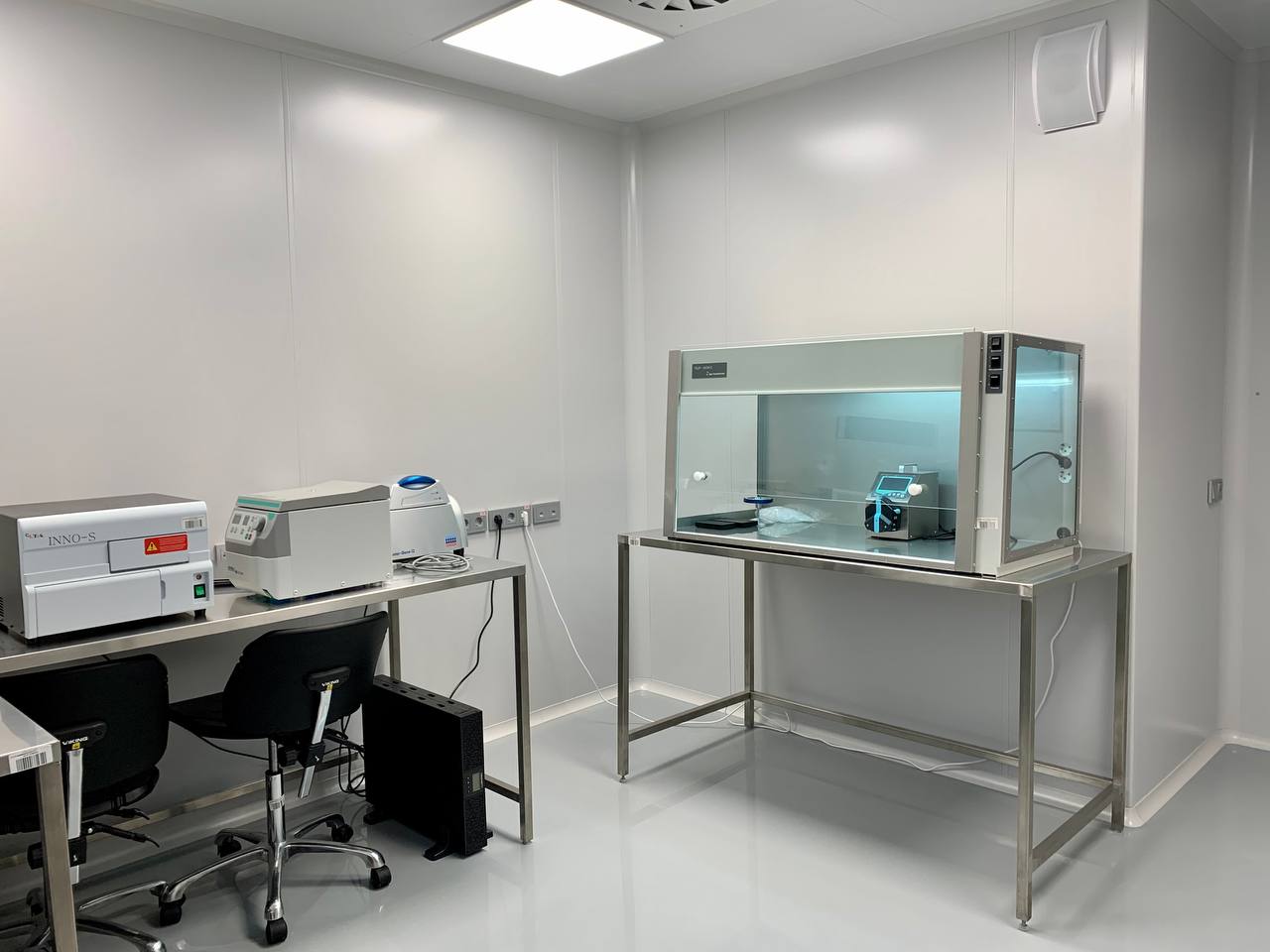
Oleg Konstantinovich Vlasov
- POSITION: Head of the Radiation-Ecological Informatics Laboratory at the A.Tsyb MRRC – a branch of the FSBI “National Medical Research Radiological Centre” of the Ministry of Health of Russian Federation
- ACADEMIC DEGREE: Doctor of Technical Sciences
- MAIN AREAS OF SCIENTIFIC ACTIVITY: research in the field of dosimetry methodology using both official methods and modern simulation modelling techniques, development of a software and hardware complex for reconstructing effective and organ doses of human radiation exposure.
- Natalia Vladilenovna Shchukina, Senior Researcher
- Natalia Georgievna Seleva, Engineer
- Dmitry Gennadyevich Korsikov, Category 1 Programmer
Main tasks of the Laboratory of Radiation and Environmental Informatics: Creating a computer system for radiation-epidemiological research, including databases of radioecological data on areas contaminated with radionuclides after radiation accidents, along with the development of appropriate methodological and software tools. Development of modern and simulation-based radioecological models for studying the consequences of radiation accidents. Development of a software and technical complex for reconstructing effective doses and organ doses of human exposure, as well as theoretical studies in dosimetry methodology, using both official methods and modern simulation modelling methods based on the latest ICRP publications. Verification of dosimetric information, reconstruction of absorbed doses in humans, and collection and processing of data on non-radiation factors affecting areas contaminated with radionuclides.
During 2019-2020, the department staff participated in the creation of 6 intellectual property works, for which they, as authors, were issued certificates of registration by the Federal Service for Intellectual Property
- Ivanov V.K., Karpenko S.V., Kashcheev V.V., Lovachev S.S., Kashcheeva P.V., Shchukina N.V., Tumanov K.A., Kochergina E.V., Maksioutov M.A. Relationship between follow-up periods and the low-dose ranges with statistically significant radiation-induced risk of all solid cancers in the Russian cohort of Chernobyl emergency workers //Radiat. Environ. Biophys. 2020. V. 59, N 3. P. 415-421. doi: 10.1007/s00411-020-00850-1.
- Ivanov V.K., Karpenko S.V., Kashcheev V.V., Chekin S.Y., Maksioutov M.A., Tumanov K.A., Shchukina N.V., Kochergina E.V., Zelenskaya N.S., Lashkova O.E., Ivanov S.A., Kaprin A.D. Radiation risks of Russian Chernobyl cleanup workers for the period 1992-2017. Part II: mortality from solid cancers //Radiation and Risk. 2020. V. 29, № 1. P. 18-31.
- Chekin S.Yu., Lovachyov S.S., Kashcheeva P.V., Kashcheev V.V., Maksyutov M.A., Vlasov O.K., Shchukina N.V. Study of modern models of radiation risks by UNSCEAR, ICRP and WHO when applied to the assessment of radiation risks in emergency exposure situations //Radiation and Risk. 2020. Vol. 29, No. 2. P. 5-20.
- Korelo A.M., Maksyutov M.A., Tumanov K.A., Selyova N.G., Kochergina E.V., Zelenskaya N.S., Lashkova O.E., Ivanov V.K. Nonparametric assessment of the reduction in expected lifespan of Russian participants in the elimination of the consequences of the Chernobyl accident //Radiation and Risk. 2020. Vol. 29, No. 3. P. 14-26.
- Vlasov O.K., Zvonova I.A., Kraevsky P., Shchukina N.V., Chekin S.Yu., Tumanov K.A. Reconstruction of the parameters of the radioecological model based on the results of monitoring the radiation situation in Mazovia following the Chernobyl accident (based on the “Warsaw” scenario of the IAEA EMRAS project) //Radiation Hygiene. 2020. Vol. 13, No. 4. P. 26-33.
- Chekin S.Yu., Lovachyov S.S., Kashcheeva P.V., Tumanov K.A., Maksyutov M.A., Vlasov O.K., Shchukina N.V. Verification of radiation mortality risks among Russian Chernobyl cleanup workers based on dose criteria //Radiation and Risk. 2020. Vol. 29, No. 3. Pp. 27-41.
- Vlasov O.K., Zvonova I.A., Kraevsky P., Shchukina N.V., Chekin S.Yu., Tumanov K.A. Radioecological modelling of 131I activity dynamics in various grass species in the year of the Chernobyl accident //Bulletin of Higher Educational Institutions. Nuclear Energy. 2020. No. 4. Pp. 106-116.
- Gorsky A.I., Maksyutov M.A., Tumanov K.A., Vlasov O.K., Kochergina E.V., Zelenskaya N.S., Chekin S.Yu., Ivanov S.A., Kaprin A.D., Ivanov V.K. Analysis of statistical correlations between mortality from malignant neoplasms and radionuclide radiation doses among populations in regions contaminated after the Chernobyl accident //Medical Radiology and Radiation Safety. 2019. Vol. 64, No. 6. Pp. 5-11.
- Gorsky A.I., Maksyutov M.A., Shchukina N.V., Lovachyov S.S., Ivanov V.K. Analysis of the dependence of malignant neoplasm incidence among populations in the Russian Federation regions on doses from natural sources of ionising radiation and the presence (absence) of Rosatom facilities //Radiation and Risk. 2019. Vol. 28, No. 2. Pp. 25-35.
- Ivanov V.K., Karpenko S.V., Kashcheev V.V., Chekin S.Yu., Maksyutov M.A., Tumanov K.A., Shchukina N.V., Kochergina E.V., Zelenskaya N.S., Lashkova O.E. Radiation risks to Russian participants in the aftermath of the Chernobyl NPP accident for the period 1992-2017. Part I: incidence of solid cancers //Radiation and Risk. 2019. Vol. 28, No. 4. Pp. 16-30.
- Vlasov O.K., Kraevsky P., Zvonova I.A., Malatova I., Bartuskova M., Shchukina N.V., Chekin S.Yu., Tumanov K.A. Verification of the radioecological model based on instrumental data of 131I specific activity in grass in Mazovia and Bohemia after the Chernobyl NPP accident (based on materials from the “Prague” and “Warsaw” scenarios of the IAEA EMRAS project) //Radiation Hygiene. 2019. Vol.
- Vlasov O.K., Kraevsky P., Bartuskova M., Malatova I., Shchukina N.V., Chekin S.Y., Tumanov K.A., Zvonova I.A. Creation and verification of a mutually consistent input information database for a simulation model of 137Cs and 131I transport through the food chain based on instrumental radioecological data (according to the ‘Prague’ and ‘Warsaw’ scenarios of the IAEA EMRAS project) // Radiation and Risk. 2019. Vol.28. No.3. Pp. 5-23.