

 +7(495)150-11-22
  +7(800)250-87-00
  +7(499)110-40-67






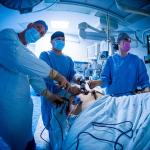

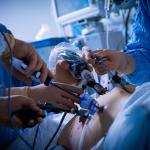


A DISEASE WORTH KNOWING ABOUT: HEREDITARY POLYPOSIS LED TO THE DEVELOPMENT OF RECTAL CANCER
A patient with a rare hereditary condition — familial adenomatous polyposis — was operated on at the Abdominal Department of the P. Hertsen MORI – a branch of the National Medical Research Radiological Centre of the Ministry of Health of Russian Federation. The disease is associated with a mutation in the APC gene. In this syndrome, hundreds or even thousands of polyps can develop in the colon, and the risk of developing colorectal cancer without preventive treatment approaches 100 %. Moreover, the disease may manifest 20–30 years earlier than in the general population.
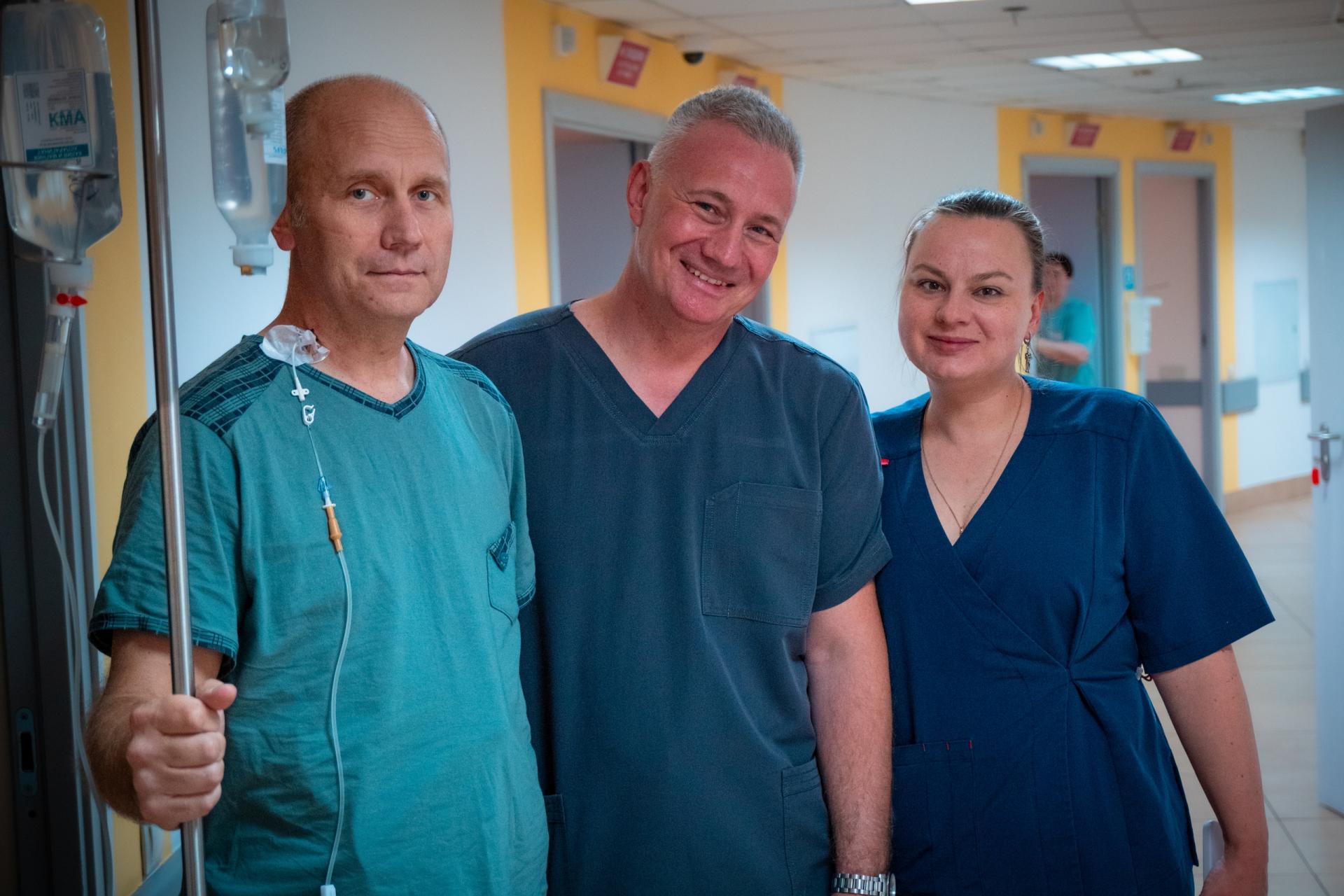
A 49‑year‑old patient developed stage II rectal cancer against the background of familial adenomatous polyposis. Doctors at the Abdominal Surgery Department developed an individualized treatment strategy specifically for him. The point is that in familial adenomatous polyposis, removing only the segment of the bowel containing the tumor is insufficient: the remaining part of the colon is also affected by multiple polyps, so the risk of new tumors remains extremely high.
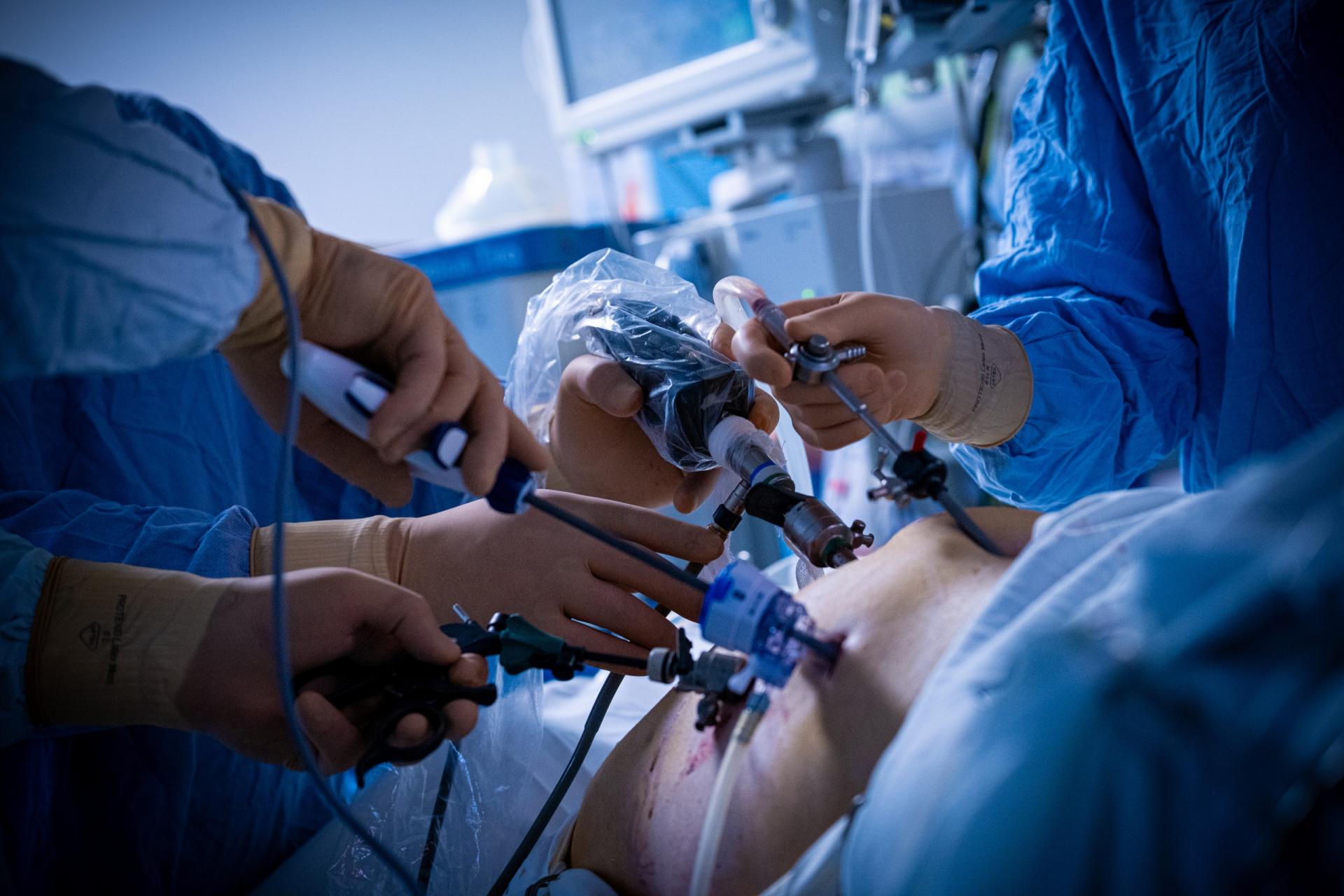
“We performed a proctocolectomy — one of the most radical and extensive operations in coloproctology”,- says Vladimir Trifanov, MD, PhD, Head of the Abdominal Surgery Centre. “This is a procedure involving the complete removal of the colon and rectum. It allowed us to achieve two goals simultaneously: to remove the existing tumor and to eliminate the risk of new lesions in the intestinal segment affected by polyposis”.
This case is a clear reminder of the importance of medical genetics in oncology.
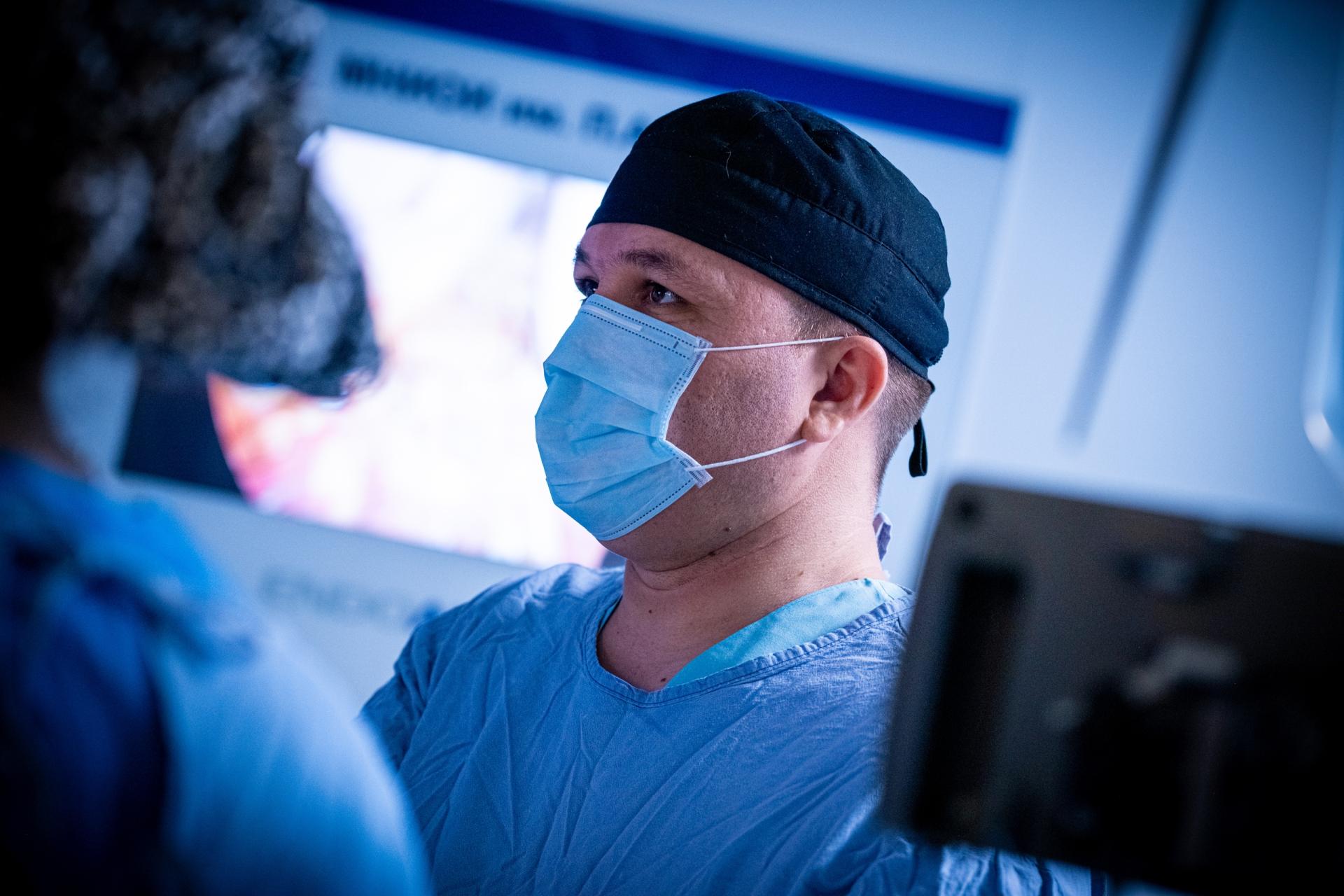
“In familial adenomatous polyposis, the probability of passing the mutation on to a child from the parents is 50 %,” explains Turon Mirzaev, MD, PhD, oncologist at the department. “Therefore, relatives of patients with an identified APC gene mutation are advised to consult a geneticist and undergo testing. Carriers of the mutation should have regular endoscopic monitoring starting from adolescence. Timely identification of the syndrome allows doctors to initiate surveillance and, if necessary, plan preventive treatment before cancer develops, thereby significantly reducing oncological risks”.