

 +7(495)150-11-22
  +7(800)250-87-00
  +7(499)110-40-67




A UNIQUE DEPARTMENT FOR RADIATION‑INDUCED INJURIES: THE NMRRC HELPS PATIENTS WITH SEVERE COMPLICATIONS AFTER TREATMENT
The diagnosis of “stage 4 cervical cancer” came as a real shock to 36‑year‑old Irina: the woman had recently experienced the joy of motherhood and had no idea about the trials that lay ahead. Spotting bloody discharge from the genital tract prompted her to see a gynecologist, who confirmed the diagnosis — cancer.
Irina was prescribed chemoradiotherapy, but the disease kept recurring, forcing doctors to try new treatment regimens. After some time, her condition worsened due to a vesicovaginal fistula, which caused severe bleeding as well as uncontrollable leakage of urine through the vagina. Completely exhausted, the young woman turned to the only specialized unit in the country that has unique expertise in both surgical and conservative treatment of complications arising after radiation therapy. At the A. Tsyb Medical Radiological Research Centre (MRRC) -a branch of the National Medical Research Radiological Centre of the Ministry of Health of Russian Federation, she underwent a life‑saving operation.
“Malignant tumors of the small pelvis are a serious medical problem”,- emphasizes Andrey Kaprin, Director General of the National Medical Research Radiological Centre of the Ministry of Health of the Russian Federation, Academician of the Russian Academy of Sciences. “New technologies and techniques have become firmly established in oncological practice, and this allows us to save many lives. Unfortunately, in some cases, various complications after radiation treatment do occur, and sometimes reconstructive surgery is vital”.
Irina’s only hope was total pelvic exenteration. Such major reconstructive and plastic surgeries are performed for life‑threatening indications; they are the only way to relieve patients from constant suffering. Irina’s situation was further complicated by the tumor spreading to nearby organs, free fluid in the small pelvis, and edema of the pelvic cellular tissue.
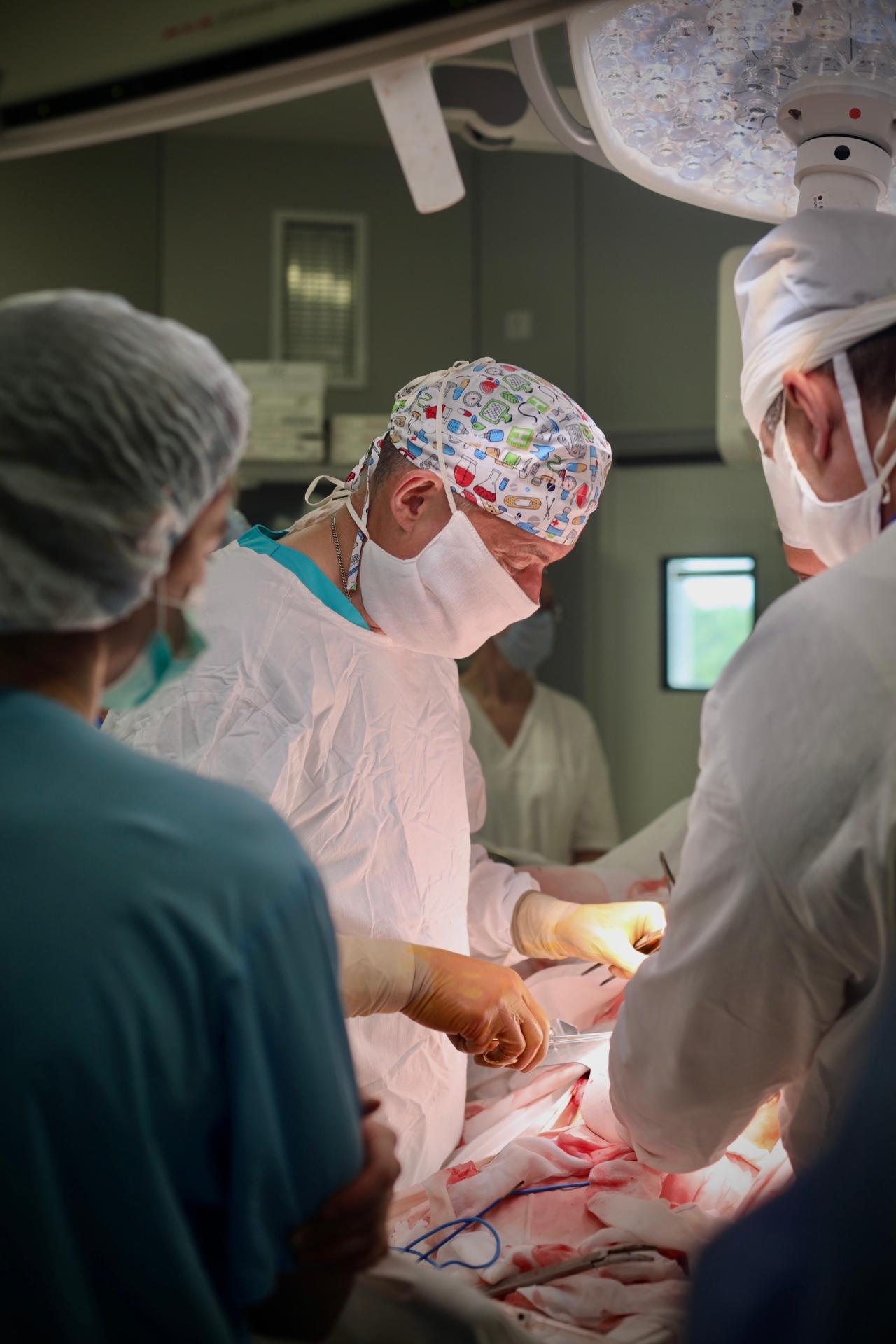
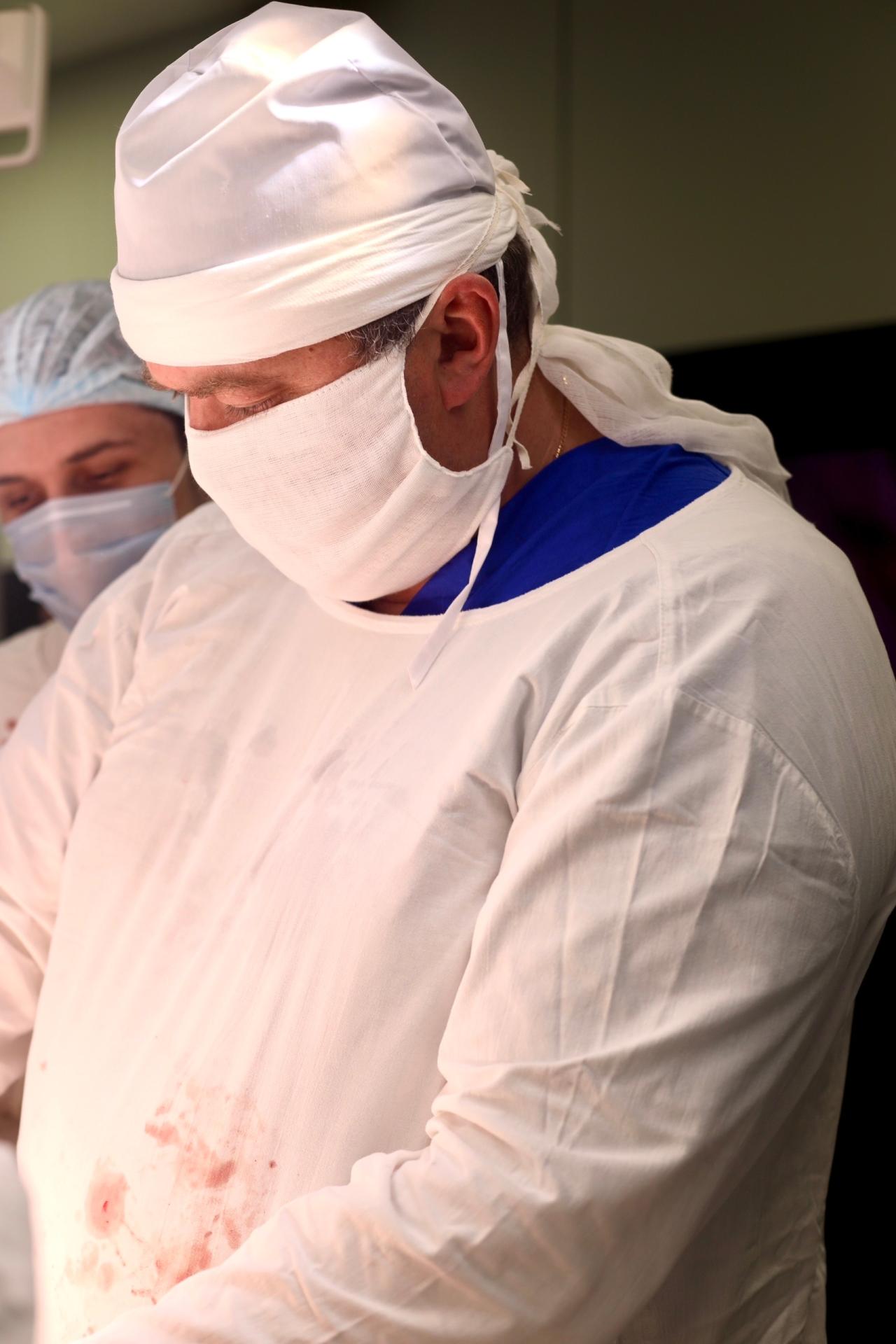
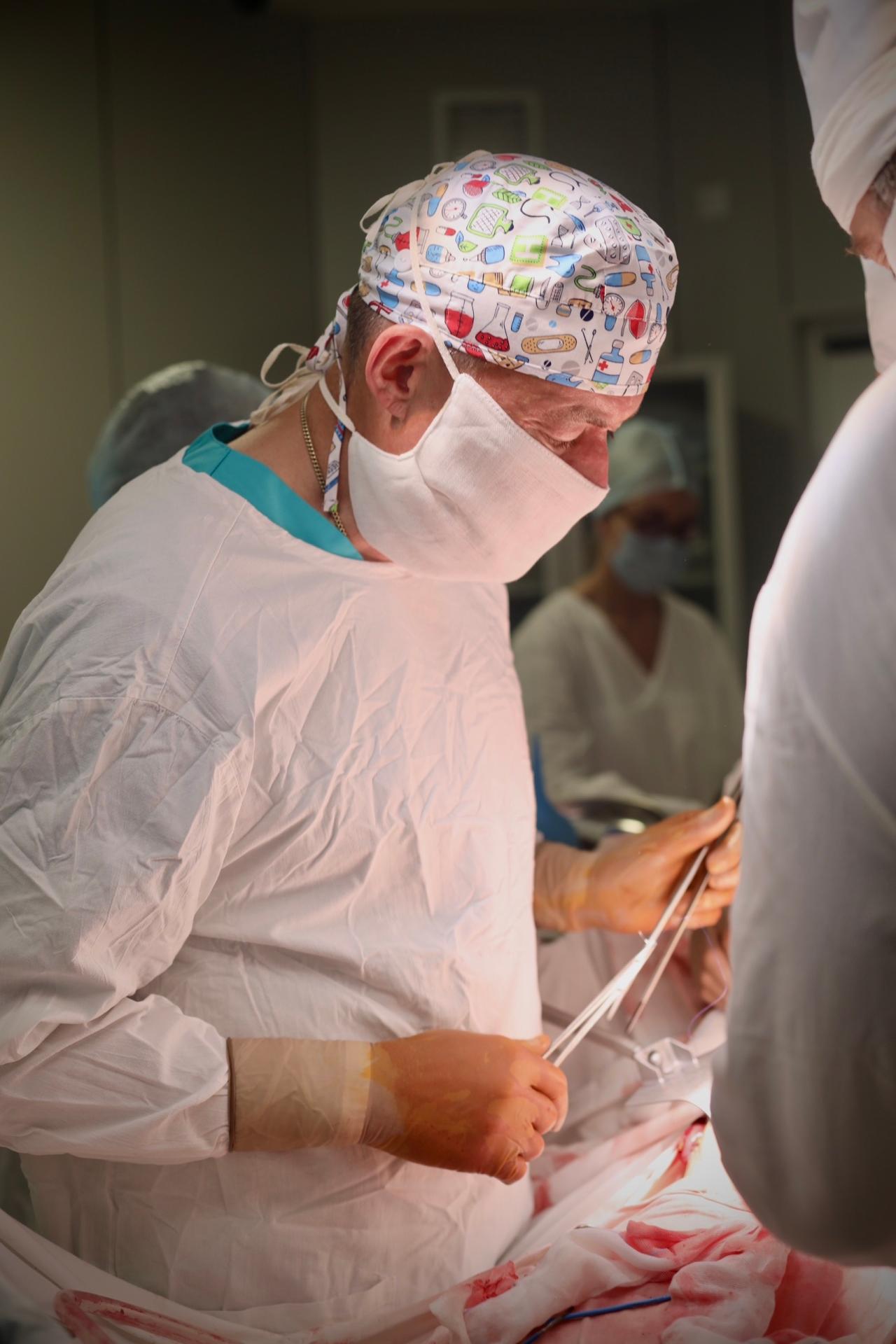
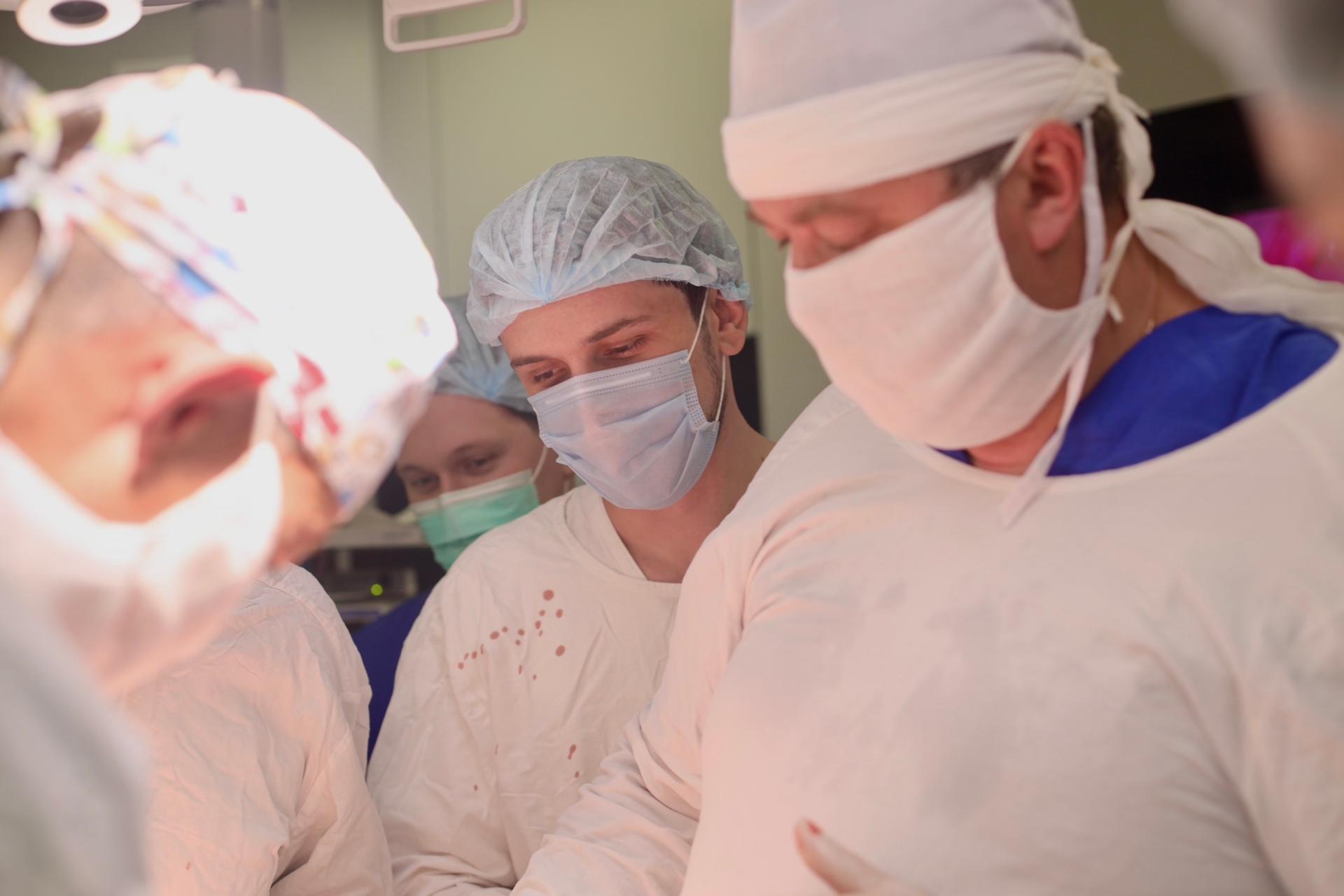
“To achieve a favorable prognosis, the operation had to be performed in a radical volume,” explains Valery Korotkov, Head of the Department of Radiation‑Induced Injuries at the A. Tsyb MRRC, Candidate of Medical Sciences. “After removing the affected organs and structures, our team, led by Andrey Dmitrievich Kaprin, created a new urinary reservoir from a segment of the ileum. The operation had two goals: to remove the locally advanced recurrence and to eliminate the fistula — a constant source of infection”.
The intervention was carried out as planned. Irina is actively recovering and undergoing rehabilitation within the department. She will soon return to her family, and we wish her a speedy recovery.