

 +7(495)150-11-22
  +7(800)250-87-00
  +7(499)110-40-67


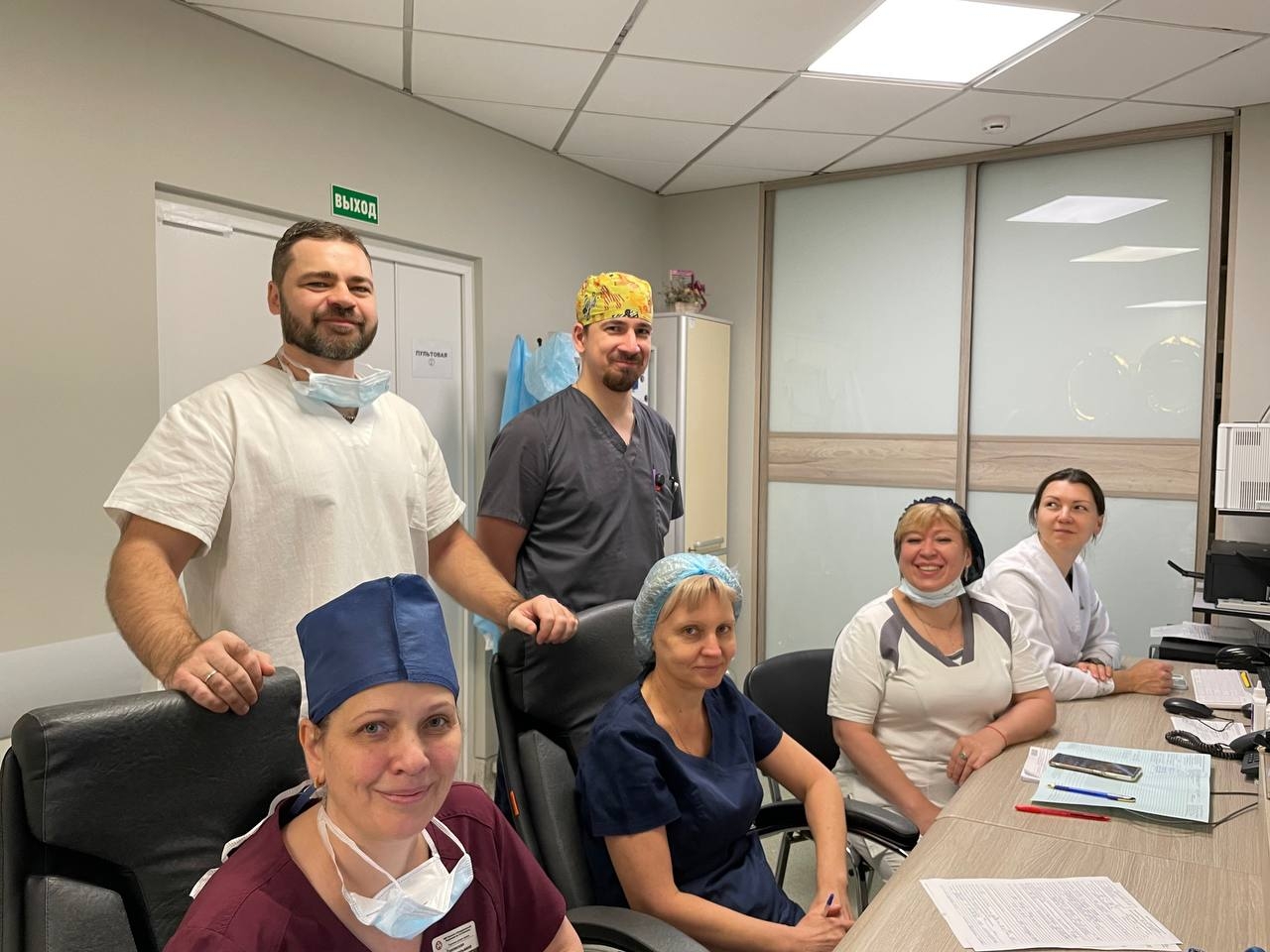
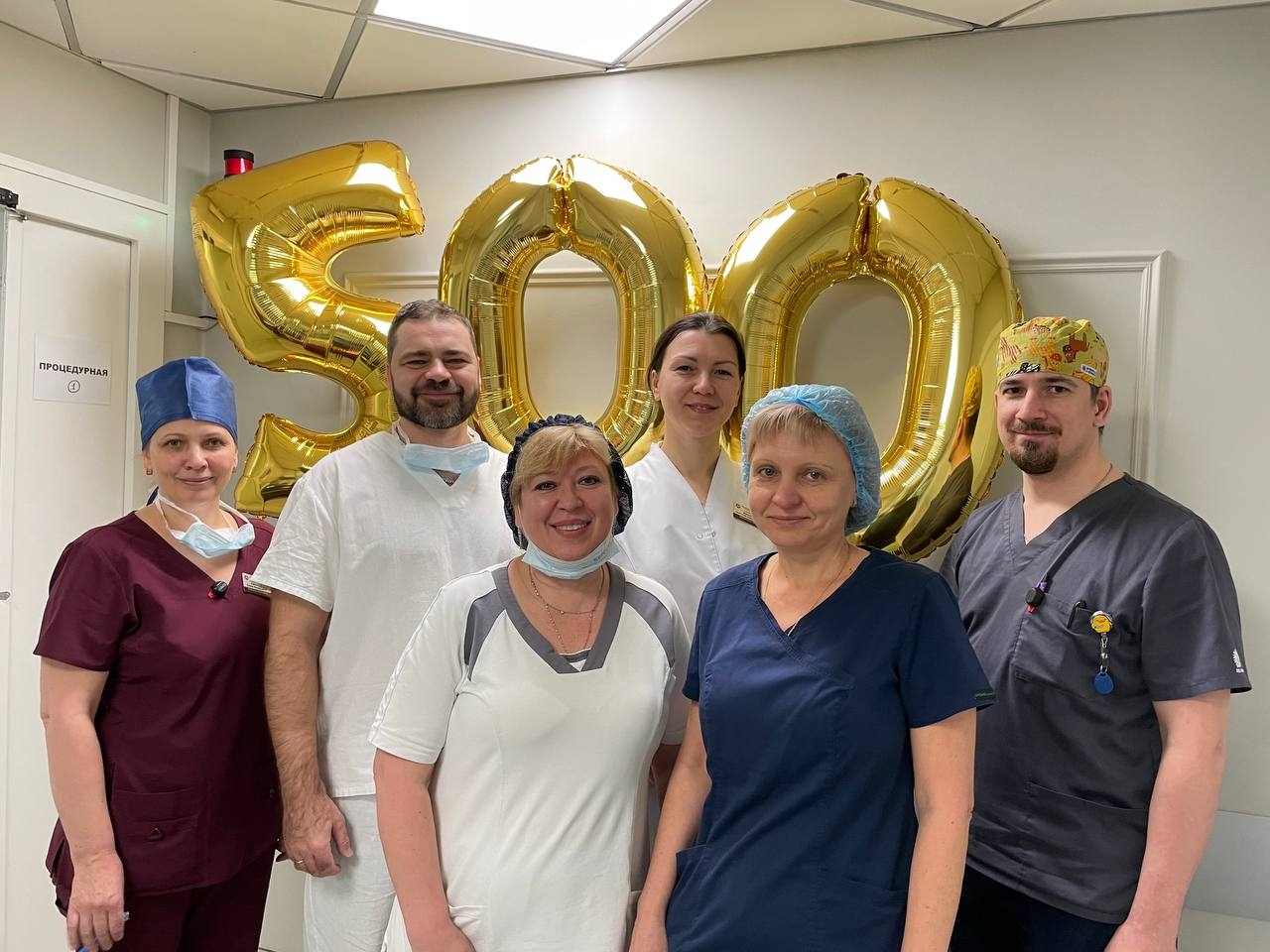



BRACHYTHERAPY: RADIOLOGISTS AT THE N. LOPATKIN SCIENTIFIC RESEARCH INSTITUTE OF UROLOGY HAVE REACHED THE MILESTONE OF 500 OPERATIONS
Today, one of the most in-demand organ-preserving treatments for prostate cancer is brachytherapy, which is a method of treating the tumor with radioactive sources placed directly at the site of the lesion. The method does not cause serious erectile dysfunction or urinary incontinence, and after the procedure, the patient quickly returns to their usual environment, has a short rehabilitation period, and maintains a good quality of life. The team at the Radiotherapy Department of the N. Lopatkin Scientific Research Institute of Urology and Interventional Radiology – branch of the National Medical Research Radiological Centre of the Ministry of Health of Russian Federation, under the leadership of PhD in Medical Sciences Andrey Koryakin, recently celebrated their first milestone – the 500th operation for treating prostate cancer using high-dose-rate brachytherapy. The «jubilee patient» was a resident of the Belgorod region.
«It should be emphasized that the patient underwent the entire process – from diagnosis to treatment within our center, which allowed us to apply the most advanced approaches available in the professional field. The tumor was accurately diagnosed using fusion biopsy, we created a 3D map of the prostate, based on which precise treatment was then carried out», – explains A.V. Koryakin. Remember, radiation sources are delivered through extremely fine needles directly into the prostate, where irradiation occurs in direct contact with the tumor. Importantly, treatment ‘from the inside’ significantly reduces the risk of complications to the rectum and urethra. Iridium-192, which is used in high-dose-rate brachytherapy, is ideally suited for this task. After the procedure, the needles are removed along with the radiation sources, leaving no «traces» of radiation in the patient and posing no threat to others.
The application of brachytherapy is not limited to prostate diseases alone, and expanding its use to other conditions is one of the tasks that our specialists are actively working on today. Congratulations to the radiotherapy department team on their first significant anniversary and we wish them continued success!