

 +7(495)150-11-22
  +7(800)250-87-00
  +7(499)110-40-67


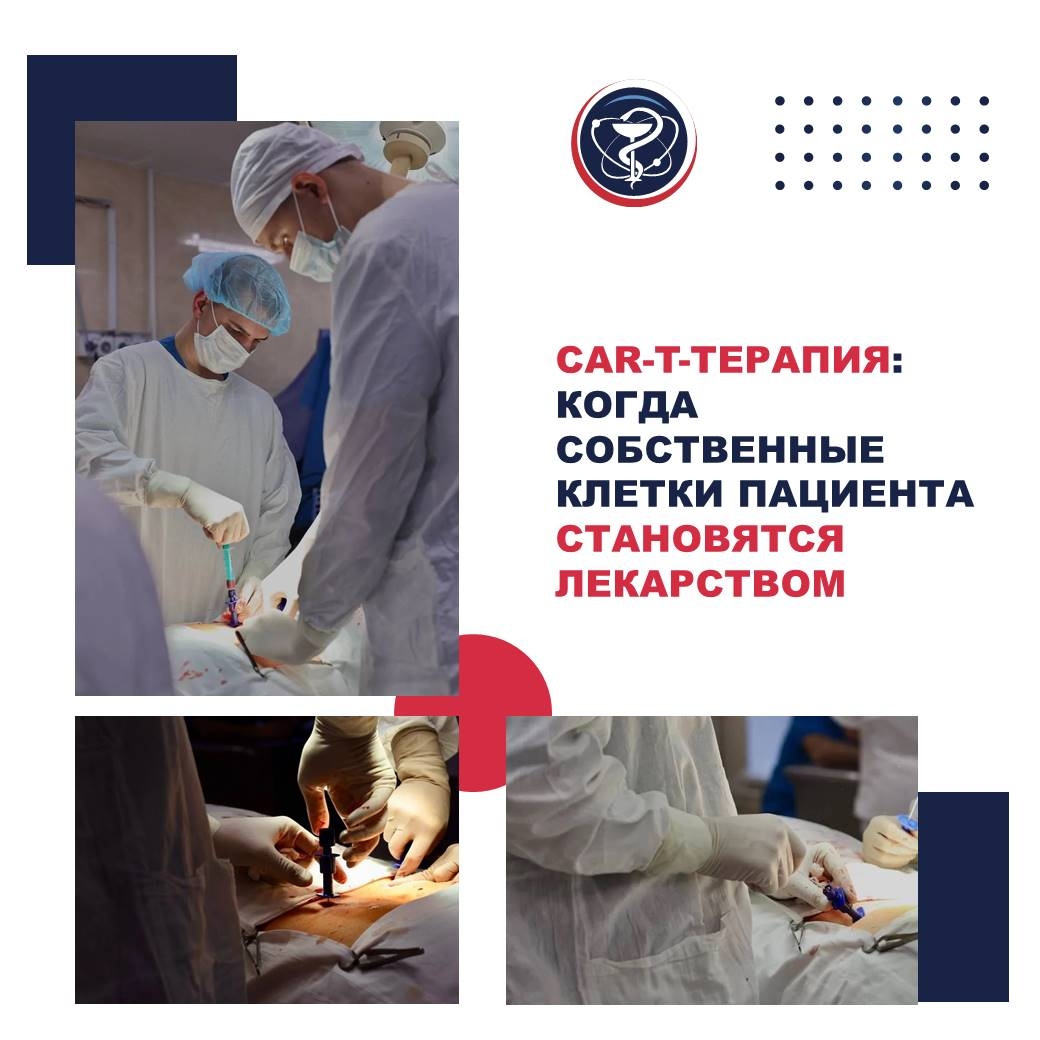


CAR‑T THERAPY: WHEN A PATIENT’S OWN CELLS BECOME MEDICINE
Sometimes the most commonplace symptoms, such as leg pain, can conceal serious, life‑threatening conditions. This is exactly what happened to 23‑year‑old Artem: his ordinary complaint about pain in a limb turned into a worrying diagnosis — thrombosis with pulmonary embolism. After additional tests, the doctors noted an extreme increase in blood parameters.
“Our patient had leukocytosis”, – says Daniil Manaenkov, an oncologist at the Bone Marrow Transplantation Department of the A. Tsyb Medical Radiological Research Centre – a branch of the National Medical Research Radiological Centre of the Ministry of Health of Russian Federation. “This is an increase in white blood cells in the blood, which in this case was caused by the bone marrow malfunctioning. As a result, it started to uncontrollably produce abnormal cells — blasts. Due to the critical blood parameters, the patient was transported to our Centre by medical aviation, and we immediately proceeded with further examination and treatment”.
Artem was diagnosed with acute lymphoblastic leukemia, which required several courses of aggressive therapy. Despite the initial success, a year later the disease returned in the form of neuroleukemia — a serious complication in which tumor cells infiltrate the membranes and tissue of the brain and spinal cord.
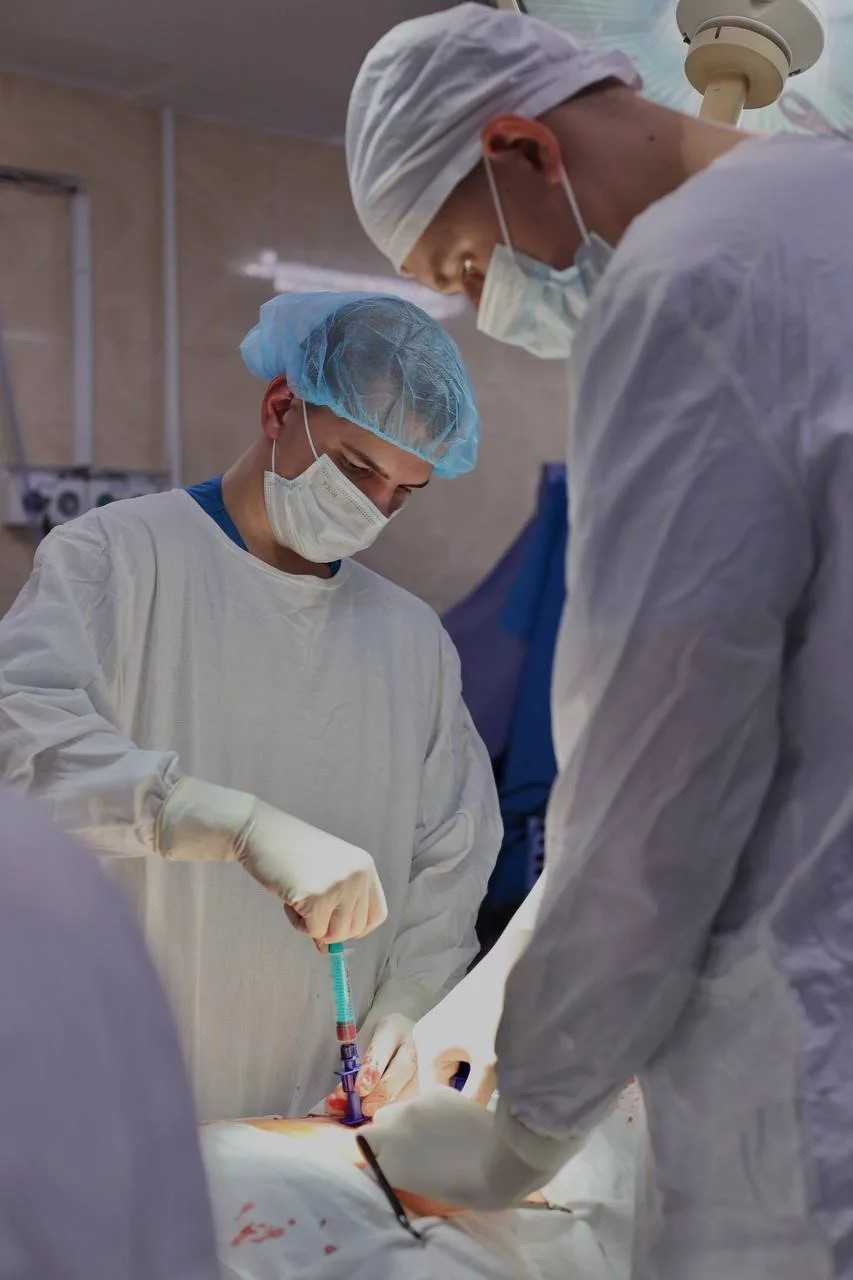
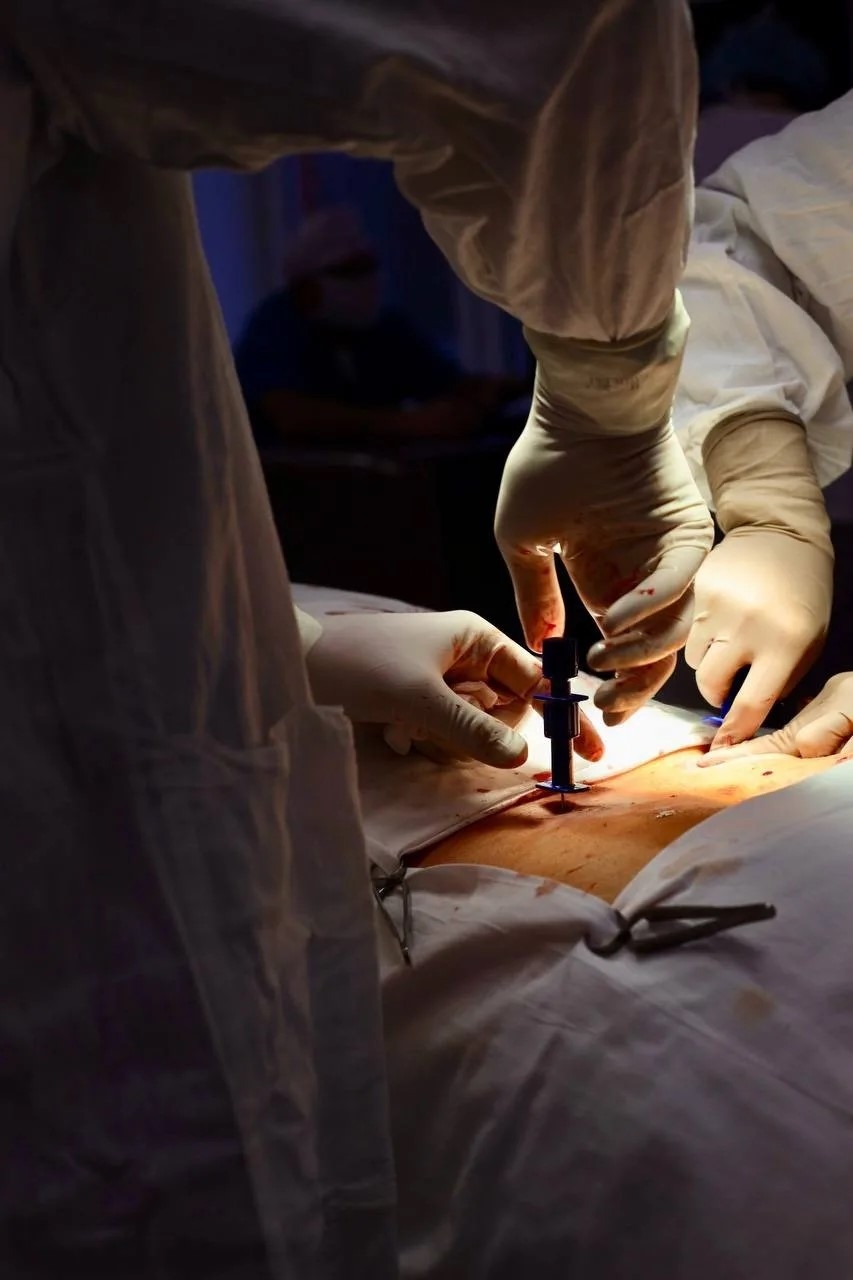
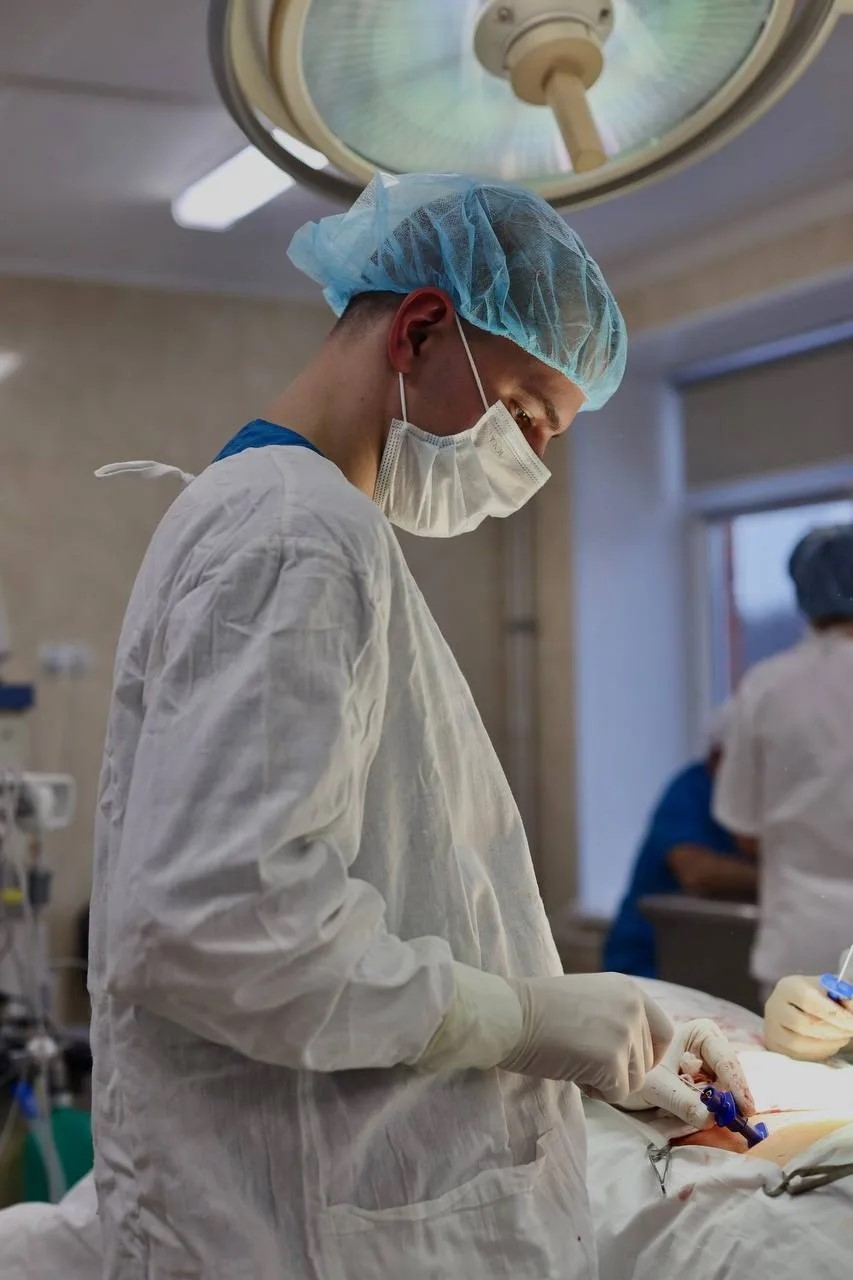
“This time, we used chemotherapeutic agents intrathecally — via lumbar punctures,” Daniil Arturovich continues. “This procedure allows medications to be delivered directly into the spinal canal, enabling them to cross the blood‑brain barrier in the required amount. After achieving a complete response to treatment, we administered CAR‑T therapy to our patient to eliminate minimal residual disease and prevent a future relapse.”
CAR‑T therapy is a personalized treatment method in which a chimeric antigen receptor is attached to the patient’s T lymphocytes (the body’s protective cells). Its purpose is to bind to specific proteins on tumor cells; then, together, they locate and destroy cancer cells that express that particular protein.
After successful treatment, Artem will continue to be monitored regularly by a hematologist at his local healthcare facility. Today, the young man is in remission — undoubtedly a major achievement for the entire team of his treating physicians!