
 +7(495)150-11-22
  +7(800)250-87-00
  +7(499)110-40-67


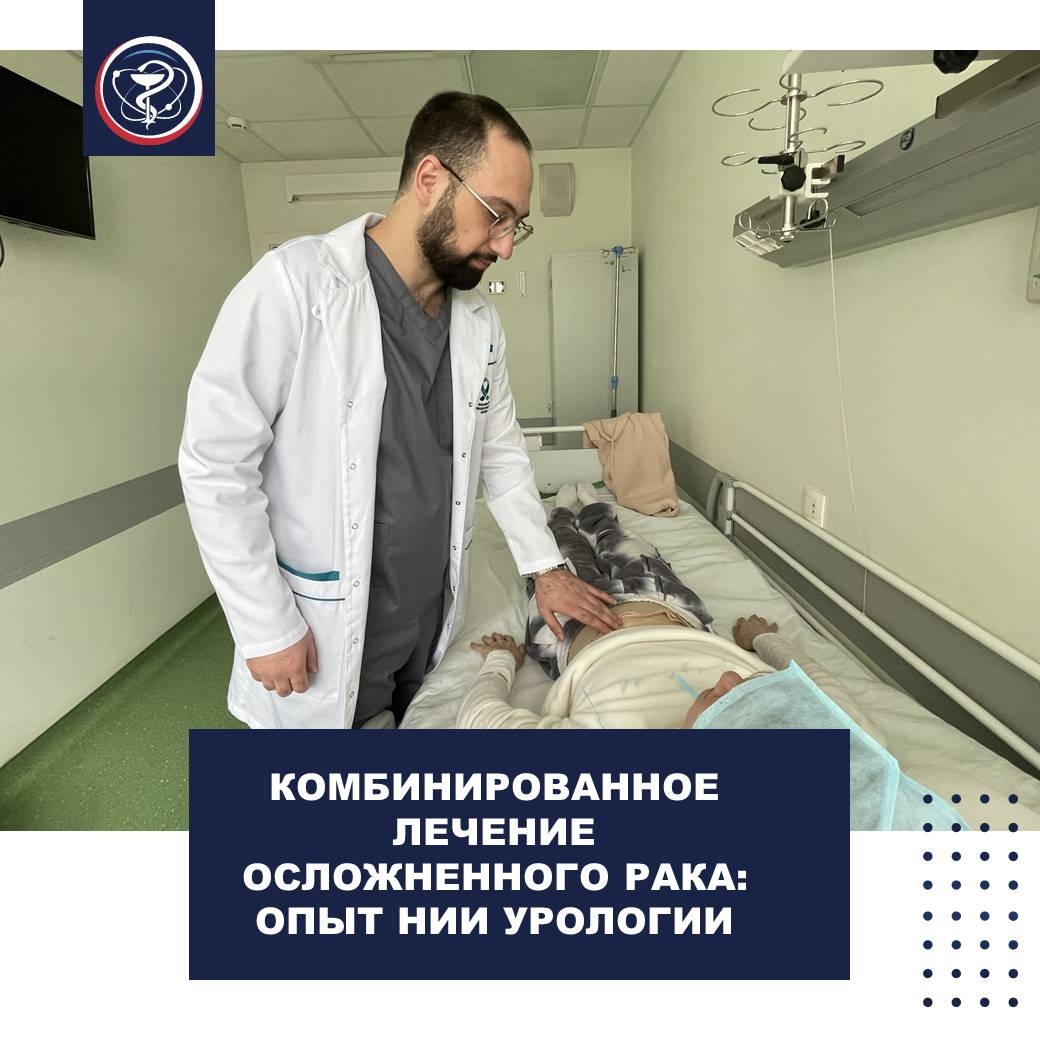
COMBINED TREATMENT FOR COMPLICATED CANCER: EXPERIENCE OF THE RESEARCH INSTITUTE OF UROLOGY AND INTERVENTIONAL RADIOLOGY
In December 2025, Anna first noticed weakness and blood discharge from the urinary tract. She visited a clinic, where a blood test was performed — and the doctors became deeply concerned: her hemoglobin level was nearly three times lower than the normal range!
A full range of examinations was carried out using modern instrumental diagnostic methods. The results revealed a large tumor that had already spread to the lower part of the vagina and bladder, as well as metastases in the nearby lymph nodes.
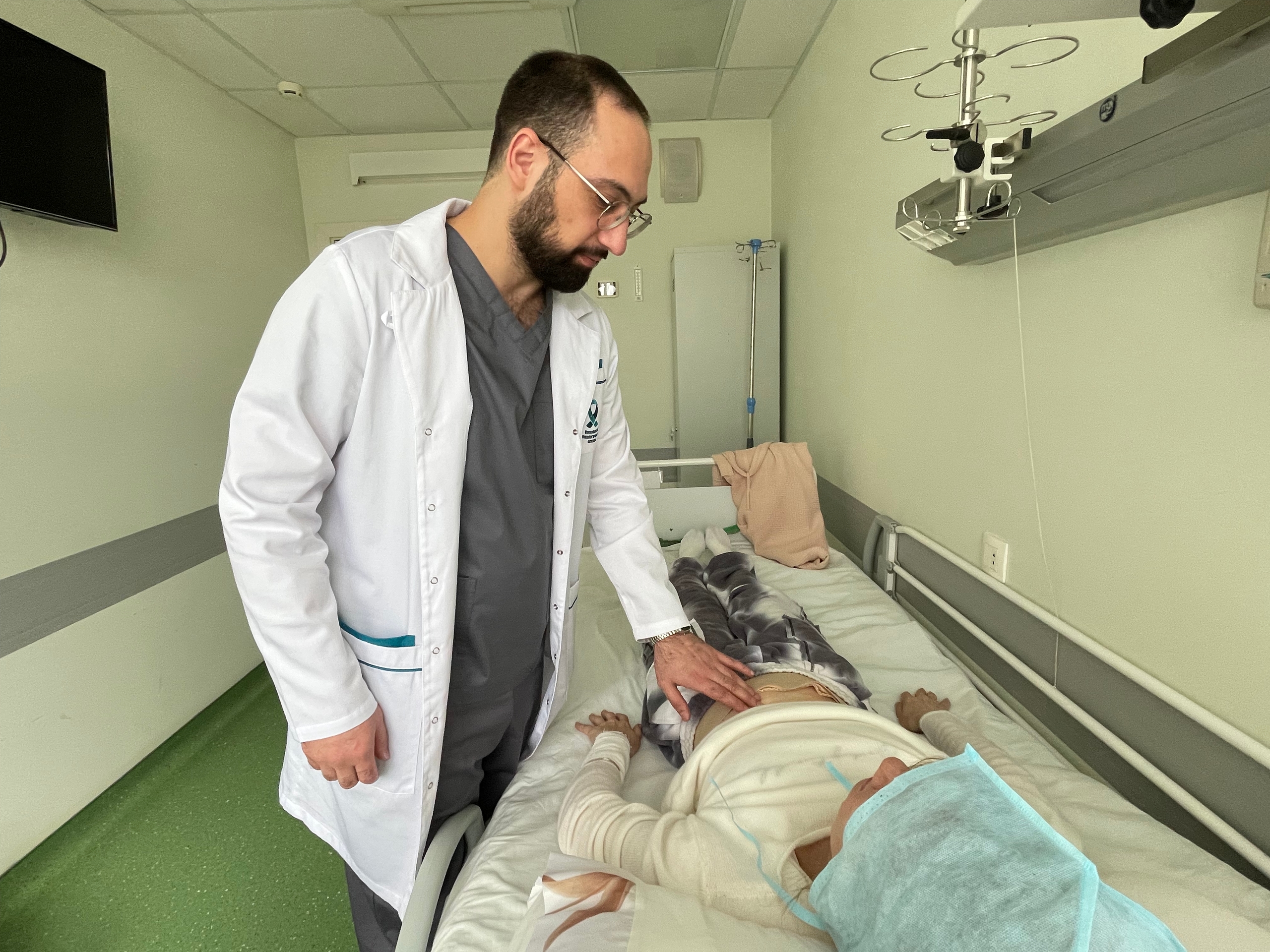
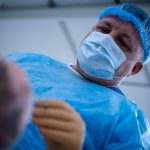
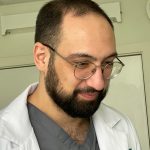
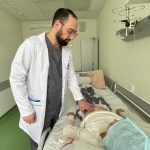
“Fortunately, the tumor had not invaded the mucosa of the bladder and intestines. Therefore, we decided to apply a combined treatment approach,” says Sandro Mchedeladze, the patient’s attending physician. “At the first stage, we opted to start with intra‑arterial chemotherapy to reduce the tumor size”.
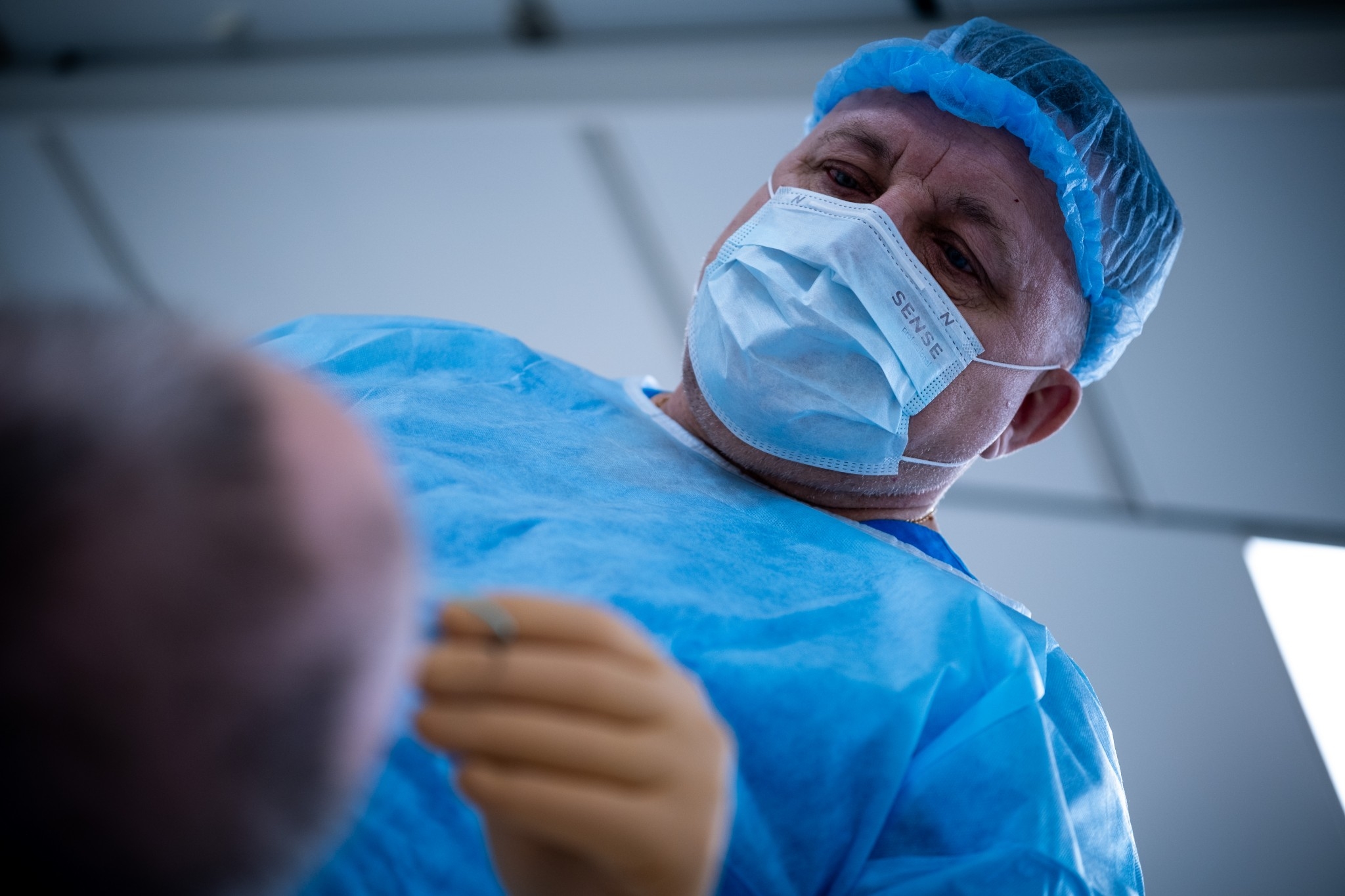
Chemoembolization — delivering the required drugs directly to the tumor via a special catheter inserted into the patient’s artery — is one of the well‑established and effective methods for treating various types of cancer. The N. Lopatkin Scientific Research Institute of Urology and Interventional Radiology is steadily expanding the scope of its application.
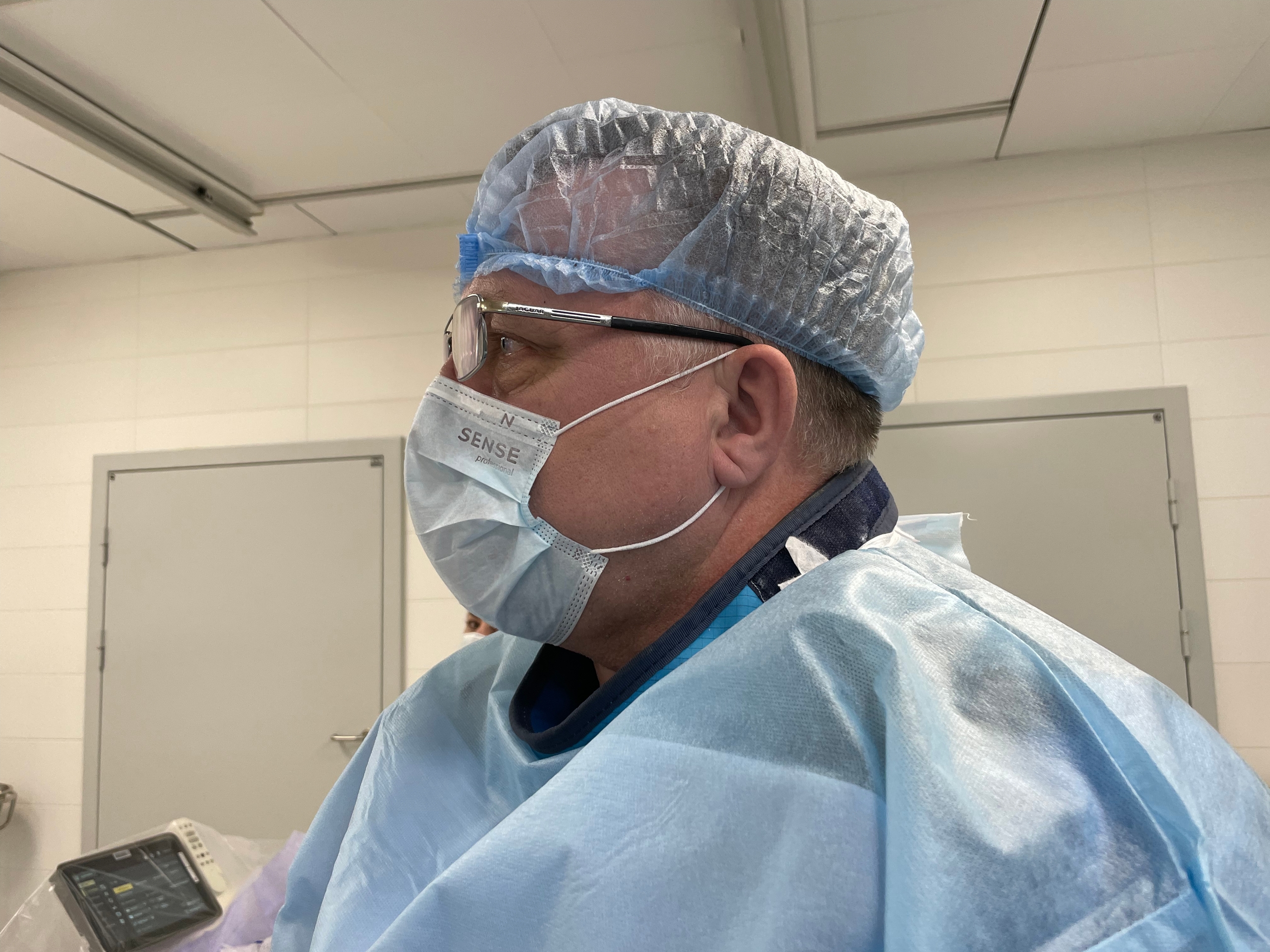
“This method was developed in the Department of X‑ray Surgical Diagnostic and Treatment Methods at the P. Hertsen Moscow Oncology Research Institute under the guidance of A. G. Rerberg, Candidate of Medical Sciences”, – explains Svetlana V. Mukhtarulina, MD, Head of the Oncogynecology Department with Chemotherapy. “Today, this experience is successfully applied at our N. A. Lopatkin branch, in the relevant department led by V. B. Loenko, Candidate of Medical Sciences.
“The first treatment course has already yielded a good clinical result: the bleeding has stopped. Two weeks after another administration of the chemotherapeutic agent, we will hold a follow‑up medical board to develop the further treatment plan”.
Doctors are confident that the chosen strategy will help reduce the extent of the tumor process. After completing the intra‑arterial chemotherapy, the 49‑year‑old patient will undergo radiation therapy.
“Combined and comprehensive treatment — that is, combining different approaches to fight oncological diseases — is one of the most effective ways to treat malignant neoplasms, especially in such complicated cases”, – emphasized Andrey Kaprin, Academician of the Russian Academy of Sciences and Director General of the National Medical Research Radiological Centre of the Russian Ministry of Health.
“As a federal institution, we strive to help patients with pathologies of any complexity. We have everything necessary for this: highly professional staff, state‑of‑the‑art equipment, the possibility of multidisciplinary involvement of various specialists, and expertise in all known practices for combating oncological diseases”.