 +7(495)150-11-22
  +7(800)250-87-00
  +7(499)110-40-67


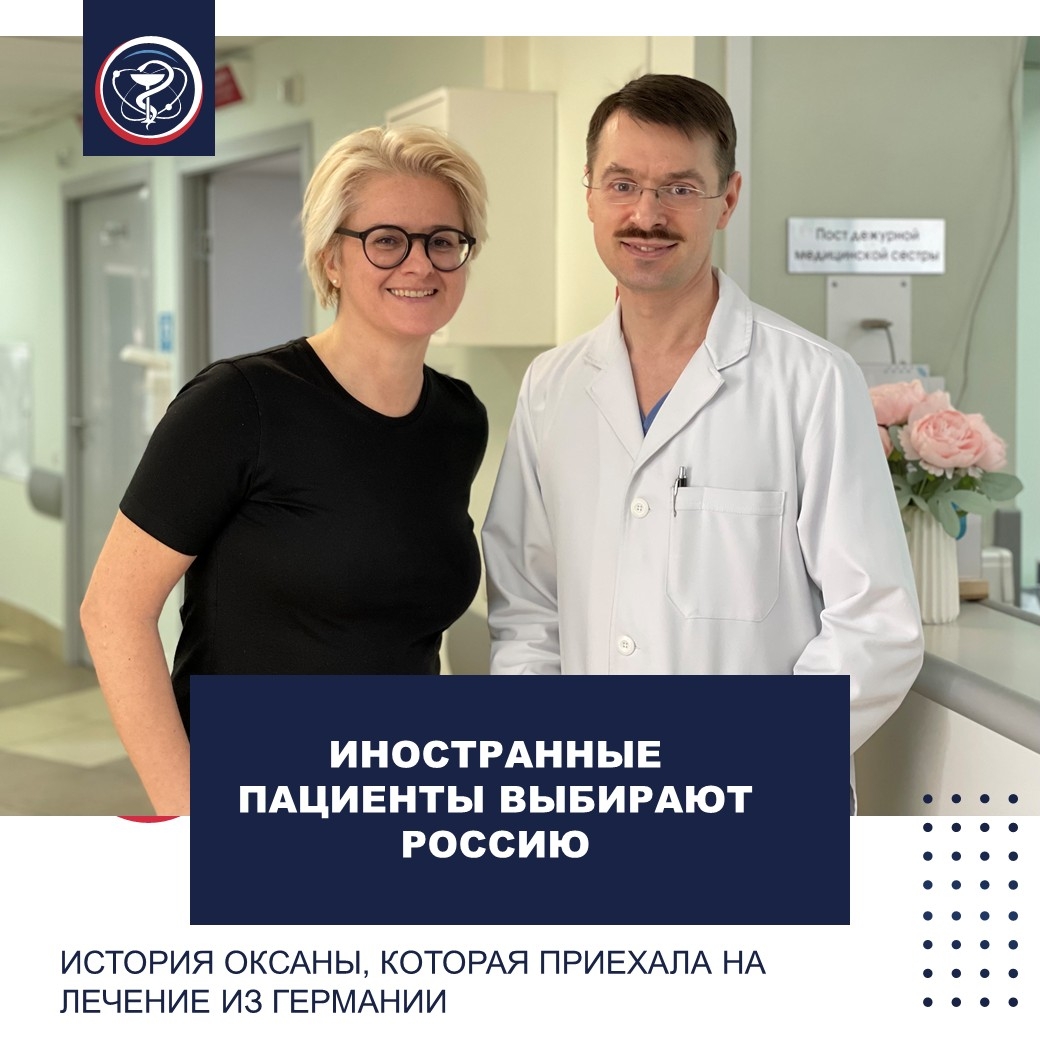
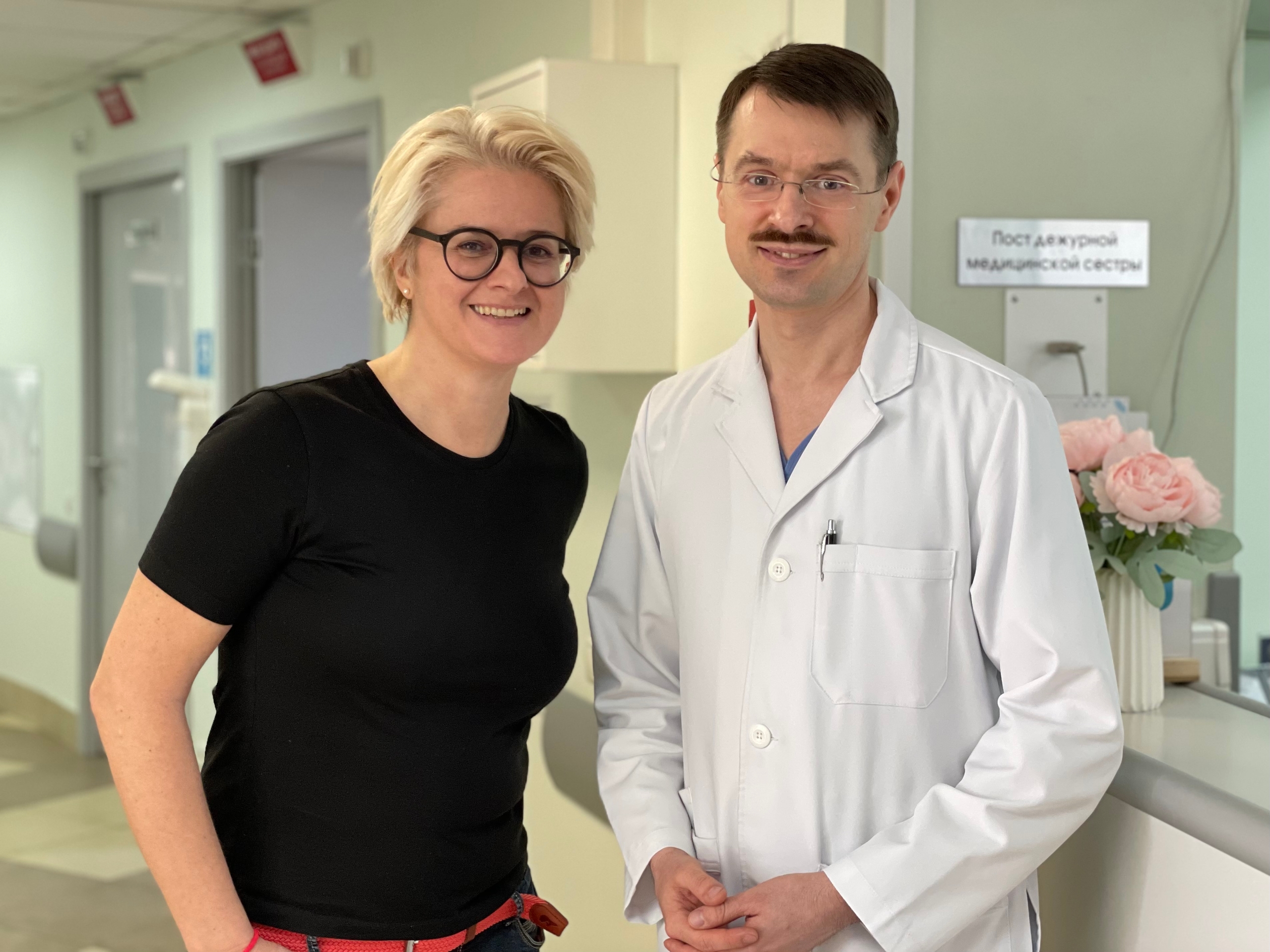
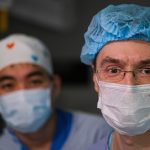
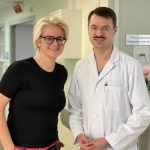
FOREIGN PATIENTS CHOOSE RUSSIA: THE STORY OF OKSANA, WHO CAME FOR TREATMENT FROM GERMANY
Oksana is originally from Russia but has been living and working in Germany for many years. She teaches music, leads an active lifestyle, and does sports. Her first alarming symptoms appeared long ago: increasing fatigue, shortness of breath, chest heaviness, weakness, voice problems, and a feeling of not getting enough air. However, the path to a diagnosis turned out to be excruciatingly long. Even with private health insurance, waiting for examinations stretched out for months, and her complaints were attributed to anything from the after‑effects of COVID‑19 to psychosomatic issues. The help she had been seeking for years was ultimately received in Russia.
Everything changed after a chance X‑ray at a migration center: the scan revealed a large mass in her chest. A subsequent CT scan identified a tumor in the anterior mediastinum, about seven centimeters in size. After that, the woman immediately began searching for a clinic and a doctor who could help her. As Oksana admitted in an interview, she made appointments at nearly all specialized clinics in Moscow, but after the very first consultation at the P. Herzen Moscow Research Institute of Oncology (MORI) — a branch of the National Medical Research Radiological Centre of the Russian Ministry of Health of the Russian Federation — she realized she would be treated there.
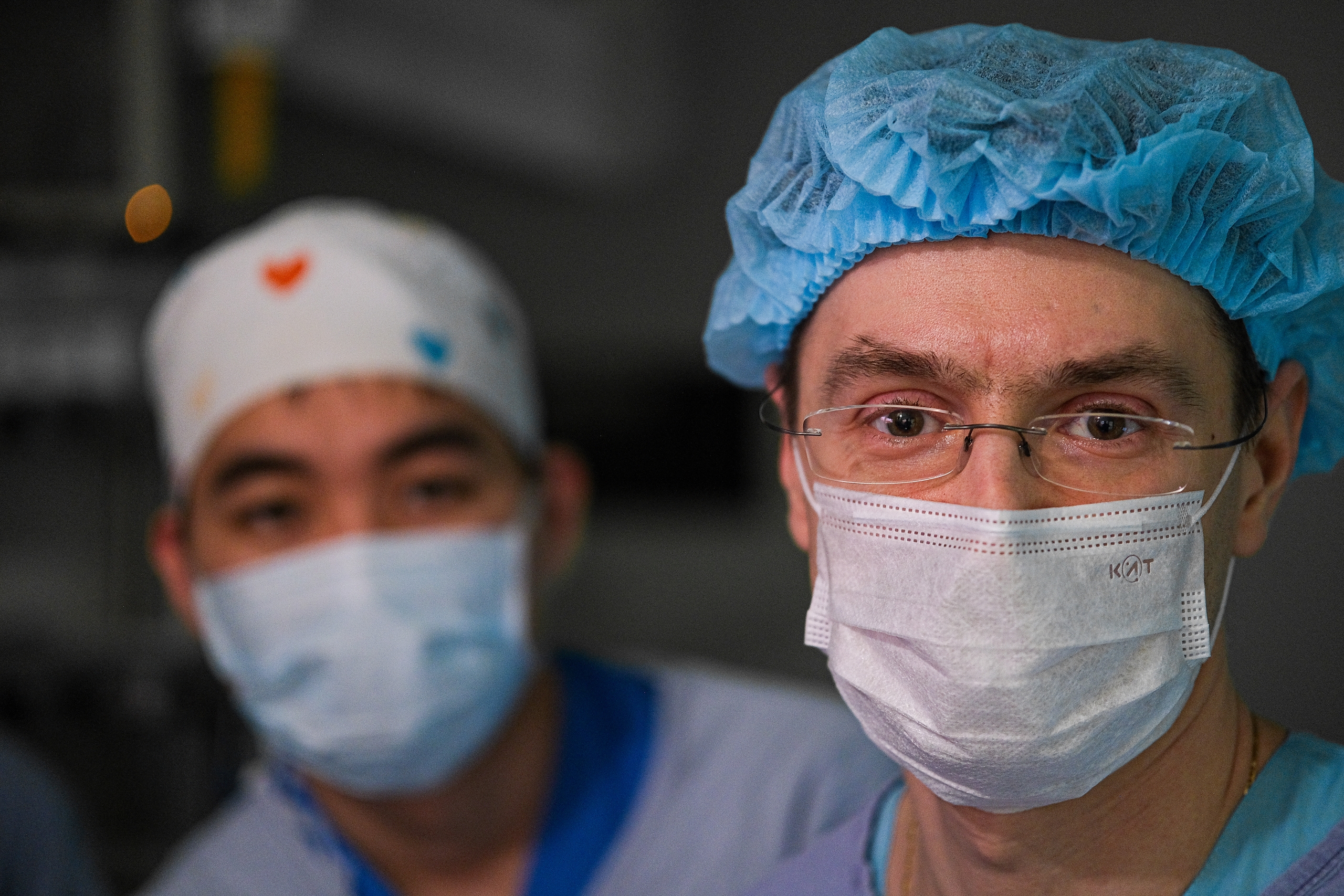
“The complexity of the case was not only in the size of the tumor. It was located on the pericardium, compressing the superior vena cava and the left brachiocephalic vein — major vessels collecting blood from the head, neck, arms, and upper torso — and was in close proximity to the ascending aorta”, – says Vitaly Barmin, Candidate of Medical Sciences and Head of the Myasthenia Group at the P. Hertsen MORI. “This anatomy requires extremely precise and careful surgery”.
“In thymoma, it is crucial not to disrupt the pseudocapsule of the tumor”,- emphasizes Oleg Pikin, Doctor of Medical Sciences and Head of the Thoracic Surgery Department. “If this happens, cells can spread throughout the pleural cavity, turning a localized process into a completely different stage. In this case, despite the size and complex location, we managed to remove the mass radically and without damage”.
An additional feature was that Oksana showed all the signs of myasthenic syndrome associated with thymoma. Therefore, the surgery was performed on an extended scale: the surgeons removed not only the tumor itself but also the connective tissue of the anterior mediastinum — exactly as required by the proper treatment strategy for such patients. At the same time, the intervention was carried out using a minimally invasive approach, i.e., through three small punctures. The very next day after the operation, the patient was up on her feet, walking without a drainage tube, and actively recovering.
For Oksana herself, the contrast was too striking to go unmentioned. In Germany, where she had lived for decades, examinations had to be waited for months even with private insurance. In Russia, everything happened quickly: consultations, further examinations, clear explanations, well‑organized patient routing, the team’s attention, and surgery. And, no less importantly, the human touch — something patients so often lack precisely at the most anxious moments.
Today, this story resonates particularly clearly and even has a sobering effect. While many people still assume by inertia that complex medical care must be sought only in the West, patients who know both systems from the inside make a different choice. They come to Russia for specific help: strong surgical expertise, advanced technologies, and, of course, a team that is highly skilled at managing rare and very complex cases.