

 +7(495)150-11-22
  +7(800)250-87-00
  +7(499)110-40-67


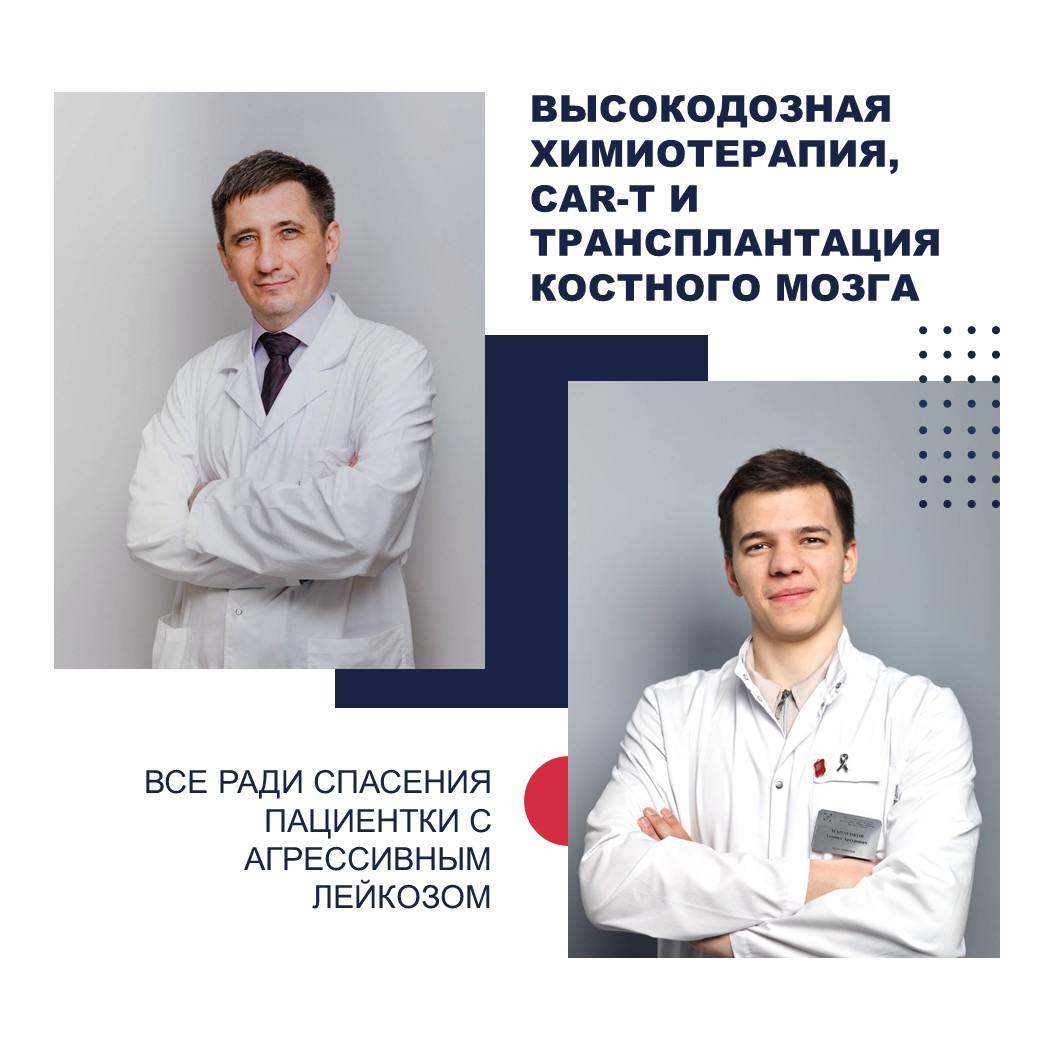
HIGH-DOSE CHEMOTHERAPY, CAR-T, AND BONE MARROW TRANSPLANTATION — ALL FOR THE SAKE OF SAVING A PATIENT WITH AGGRESSIVE LEUKEMIA
In 2020, the life of 42-year-old Irina changed dramatically. Weakness and high fever—at first, the symptoms seemed trivial, but they hid a serious threat. After a series of examinations, the doctors delivered the diagnosis: acute lymphoblastic leukemia.
Treatment began with long courses of chemotherapy, which lasted 40 months. And finally— the long-awaited remission. But, alas, the joy was short-lived: less than a year later, an extramedullary relapse occurred. The cancer returned, affecting not only the bone marrow but also other organs.
Irina began looking for medical facilities that could handle such an aggressive case: «Here, at the A. Tsyb Medical Radiological Research Centre (MRRC) – the branch of the FSBI “National Medical Research Radiological Centre” (NMRRC) of the Ministry of Health of the Russian Federation, I was not turned away. The attending doctors tailored a special treatment for me and achieved a complete metabolic response after just the first course».
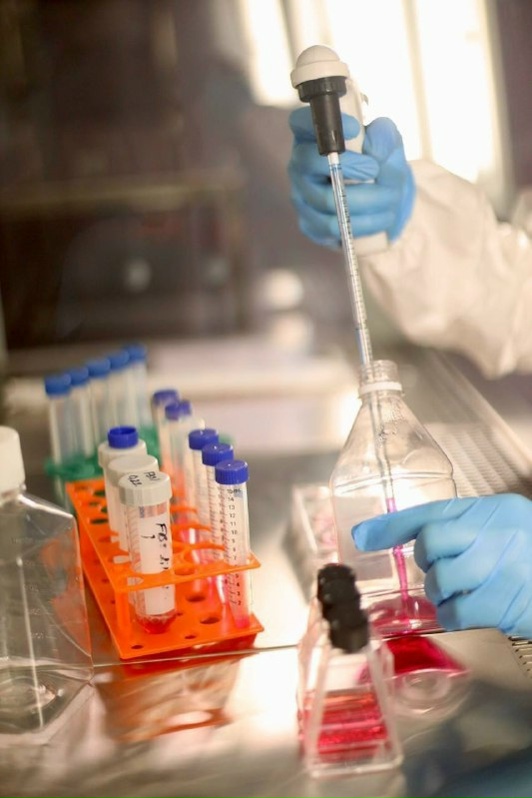
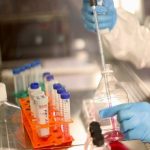
«We offered Irina a comprehensive therapy, including CAR-T cell therapy», – says Vasily Shuvaev, Head of the Hematology and Chemotherapy Department at the A.Tsyb MRRC, Doctor of Medical Sciences. «The treatment uses the patient’s own genetically modified immune system cells. With the help of genetic engineering technologies, T-lymphocytes (the cells that protect our body) are equipped with a chimeric antigen receptor. Its purpose is to bind to specific proteins on tumor cells, after which they together locate and destroy cancer cells that have that specific protein. This allows us to achieve a response to therapy even in cases resistant to chemoradiotherapy, targeted drugs, and in the event of disease relapses».
In order to consolidate the success of drug treatment, it is extremely important for patients with malignant hematopoietic diseases to undergo bone marrow transplantation.
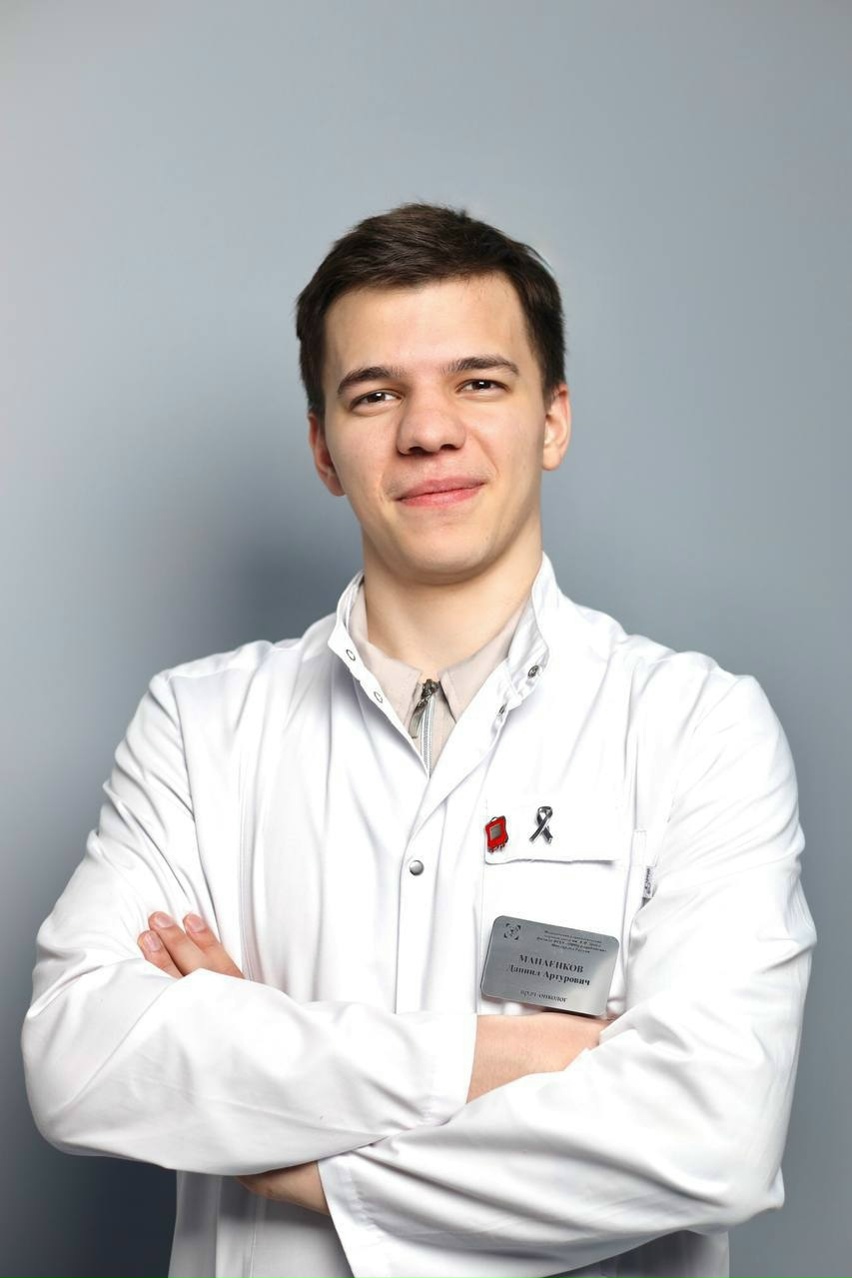
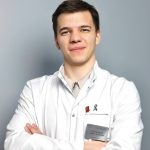
«A transplant in which the donor is another person is called allogeneic. It can be either related or unrelated (in the latter case, the donor is selected from the Federal Bone Marrow Donor Registry, which anyone can join if there are no contraindications). The transplants are hematopoietic stem cells, which have the ability to fully restore the hematopoietic system and the immune system,” says Daniil Manaenkov, oncologist at the Bone Marrow Transplantation Department at the A. Tsyb Medical Radiological Research Centre.
Irina’s donor was her own sister. Thirty days after the transplant, it became clear that the stem cell engraftment was 100% — a real success, considering the partial compatibility.
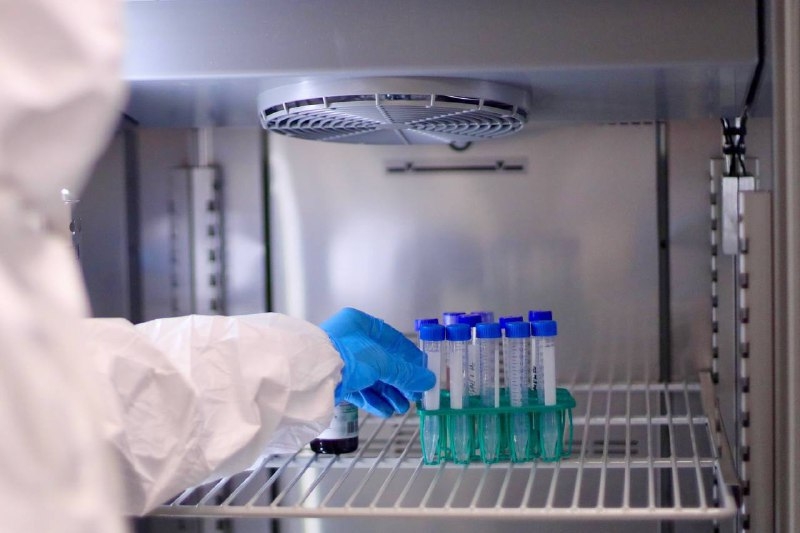
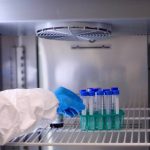
Irina excitedly talks about being discharged to go home. For several months, she had been in a special room with a high level of cleanliness and a separate ventilation system. Now she is ready to return to her previous life, and we wish her a long and stable remission!