

 +7(495)150-11-22
  +7(800)250-87-00
  +7(499)110-40-67


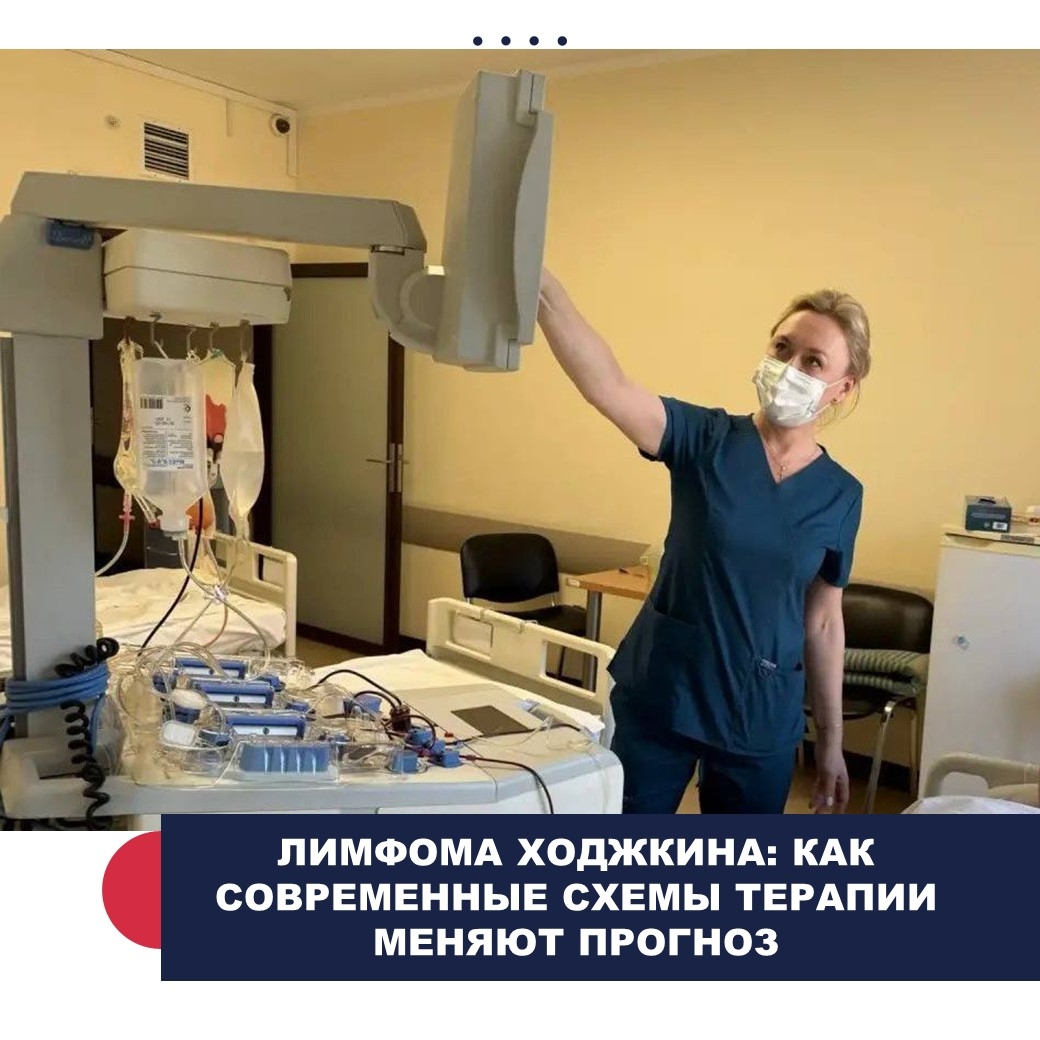

HODGKIN’S LYMPHOMA: HOW MODERN TREATMENT REGIMENS ARE CHANGING THE PROGNOSIS
Hodgkin’s lymphoma is a malignant disease of the lymphatic system, in which the pathological process develops from B-lymphocytes and is characterized by the appearance of specific tumor cells. The disease is most often diagnosed in young people. Over the past decades, approaches to the treatment of this disease have changed significantly.
The story of a 30-year-old resident of the LPR who underwent treatment at the P. Hertsen Moscow Oncology Research Institute (MORI) – branch of the National Medical Research Radiological Centre (NMRRC) of the Ministry of Health of the Russian Federation — is a clinical example of how modern oncohematology offers a real chance to return to a full life.
«Until recently, Hodgkin’s lymphoma was treated with chemotherapy drugs that provided only short-term effects and a low remission rate», – says Alevtina Chervontseva, PhD, a research associate in the department of high-dose chemotherapy and bone marrow transplantation. «Today, scientists have developed combination therapy regimens that include several chemotherapy drugs with different mechanisms of action, which has allowed doctors to achieve good immediate and long-term outcomes in treating this disease: for example, the five-year survival rate exceeds 90%. Currently, work is underway to introduce new immunotherapy drugs of various classes and to add them to chemotherapy courses for newly diagnosed Hodgkin’s lymphoma patients, which has significantly increased the rate of complete remissions».
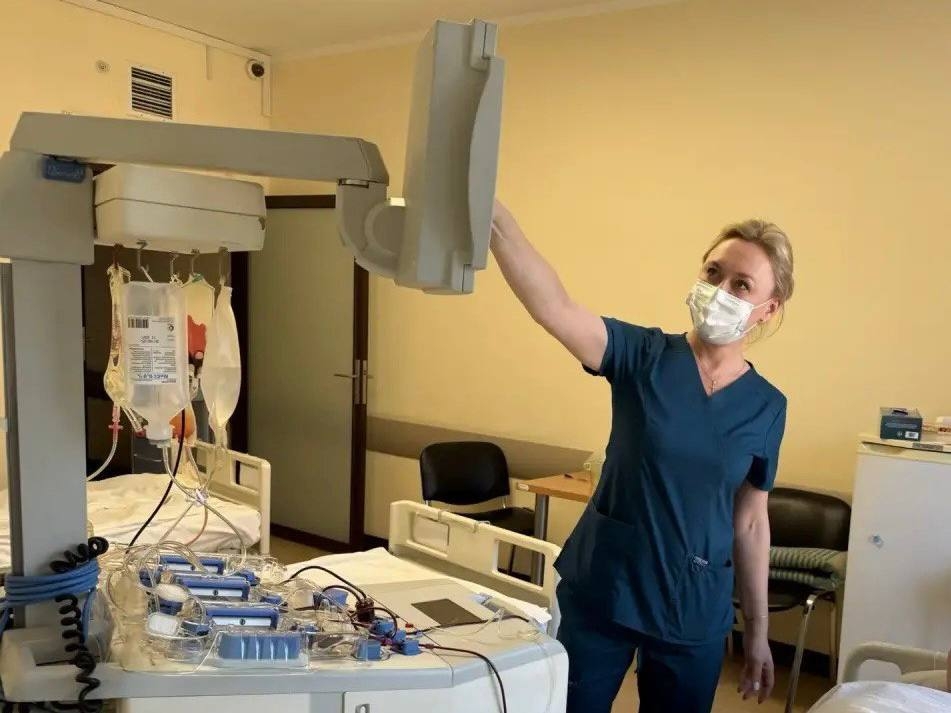
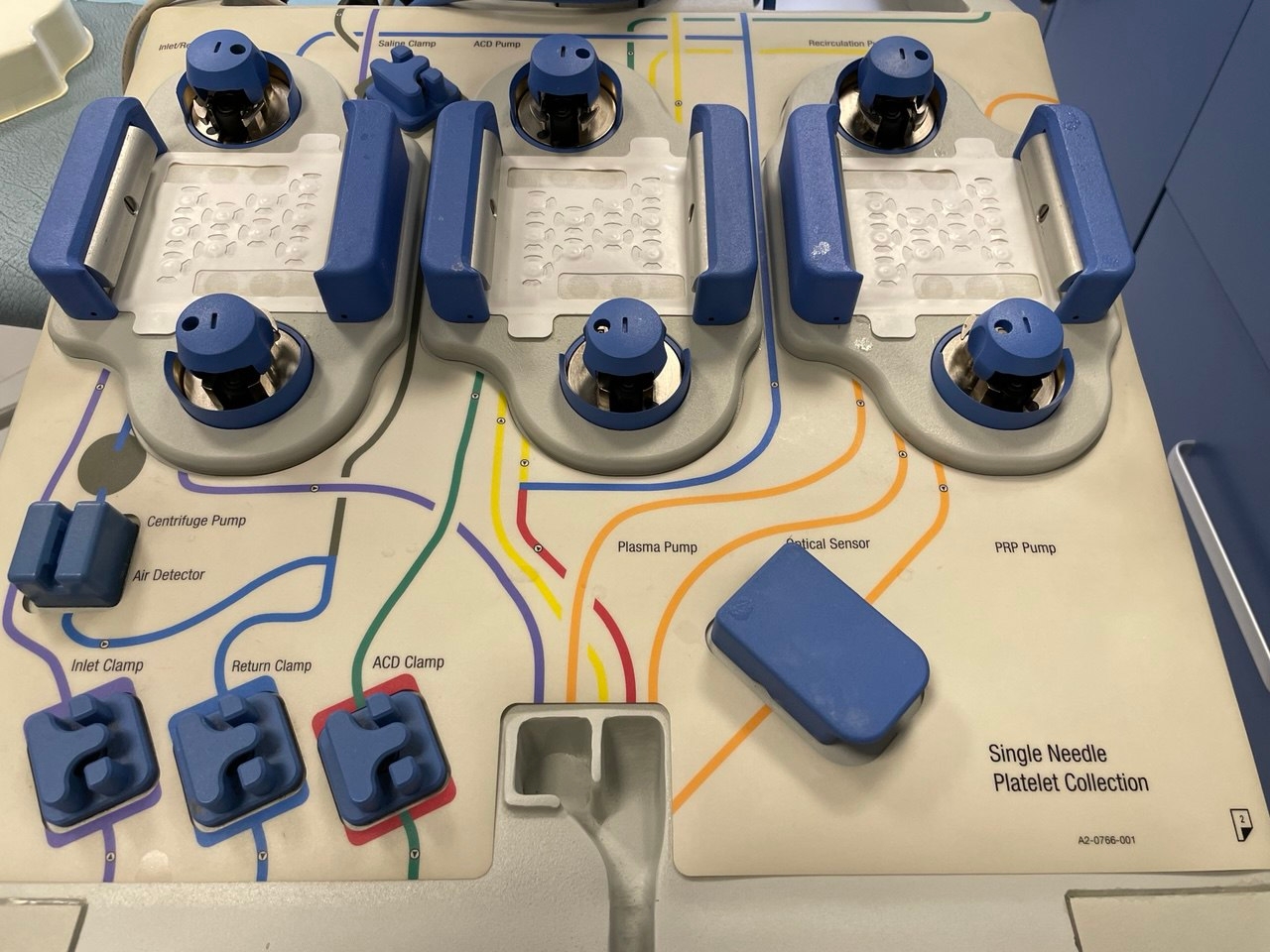
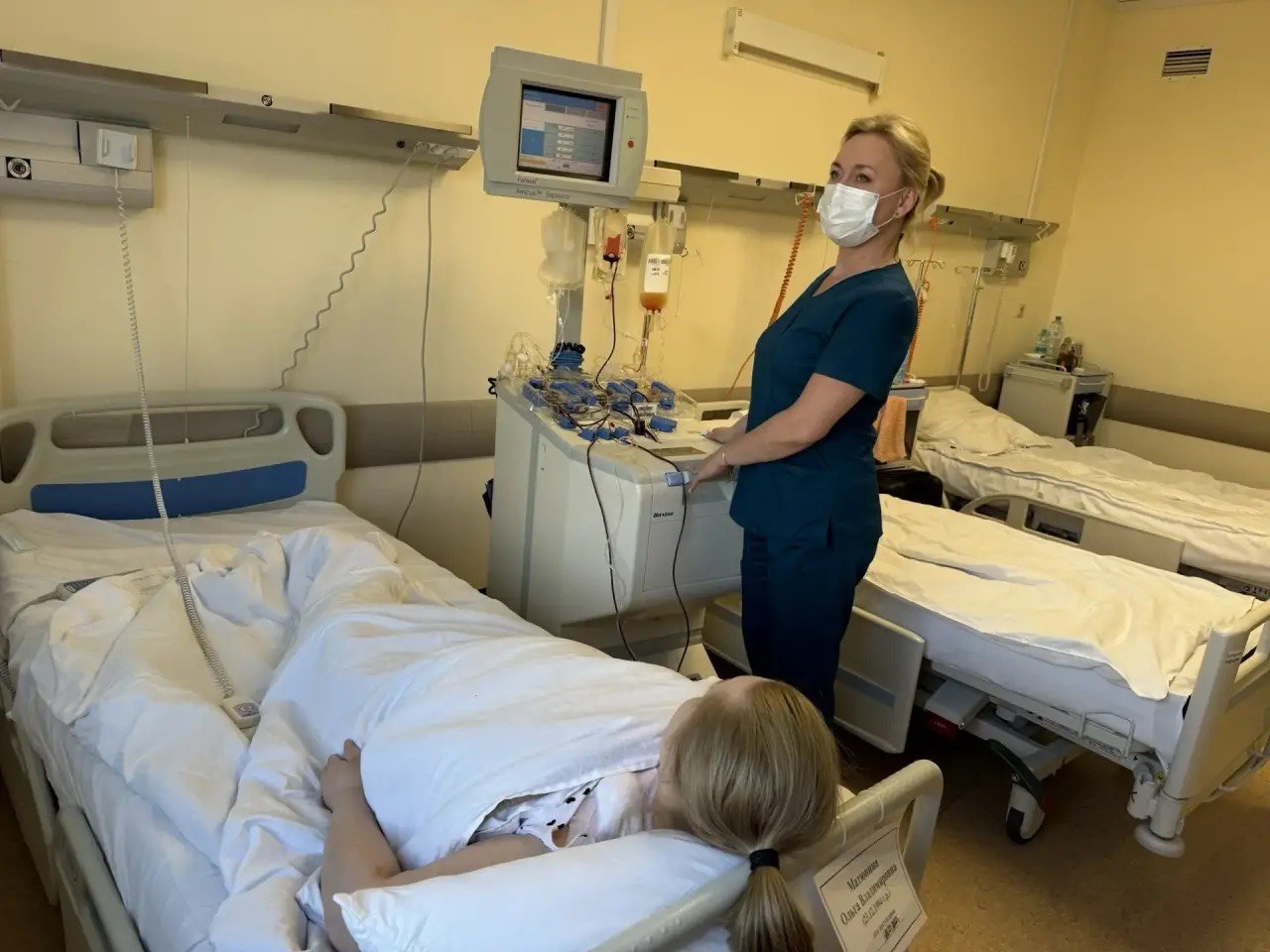
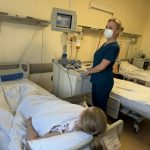
Science has also achieved great success in the treatment of relapses. The use of new treatment regimens has allowed a higher percentage of patients to undergo high-dose chemotherapy with autologous, that is, their own stem cell transplantation. This is the path taken by our patient from Luhansk. «We conducted 2 courses of intensified chemotherapy in combination with a new drug — nivolumab (a checkpoint inhibitor), achieved a good result, and began preparing the patient for stem cell collection», – continues Alevtina Mikhailovna. «With the help of special drugs, we stimulate the release of stem cells, then isolate them from the blood, ‘clean’ them in a specific way, and send them for storage in a cryobank. After the appropriate time, the patient will undergo high-dose chemotherapy with transplantation of her own bone marrow cells».
«A huge thank you to all the doctors at the P. Hertsen MORI for the attention they showed me and my illness», – says our patient. “Your specialists figured out the diagnosis and created the right treatment plan for me. I am confident that everything will work out. After all, I still have a lot to do: finish my studies at the university, have a child, become a good professional and a mother. All of this is ahead of me!»