
 +7(495)150-11-22
  +7(800)250-87-00
  +7(499)110-40-67


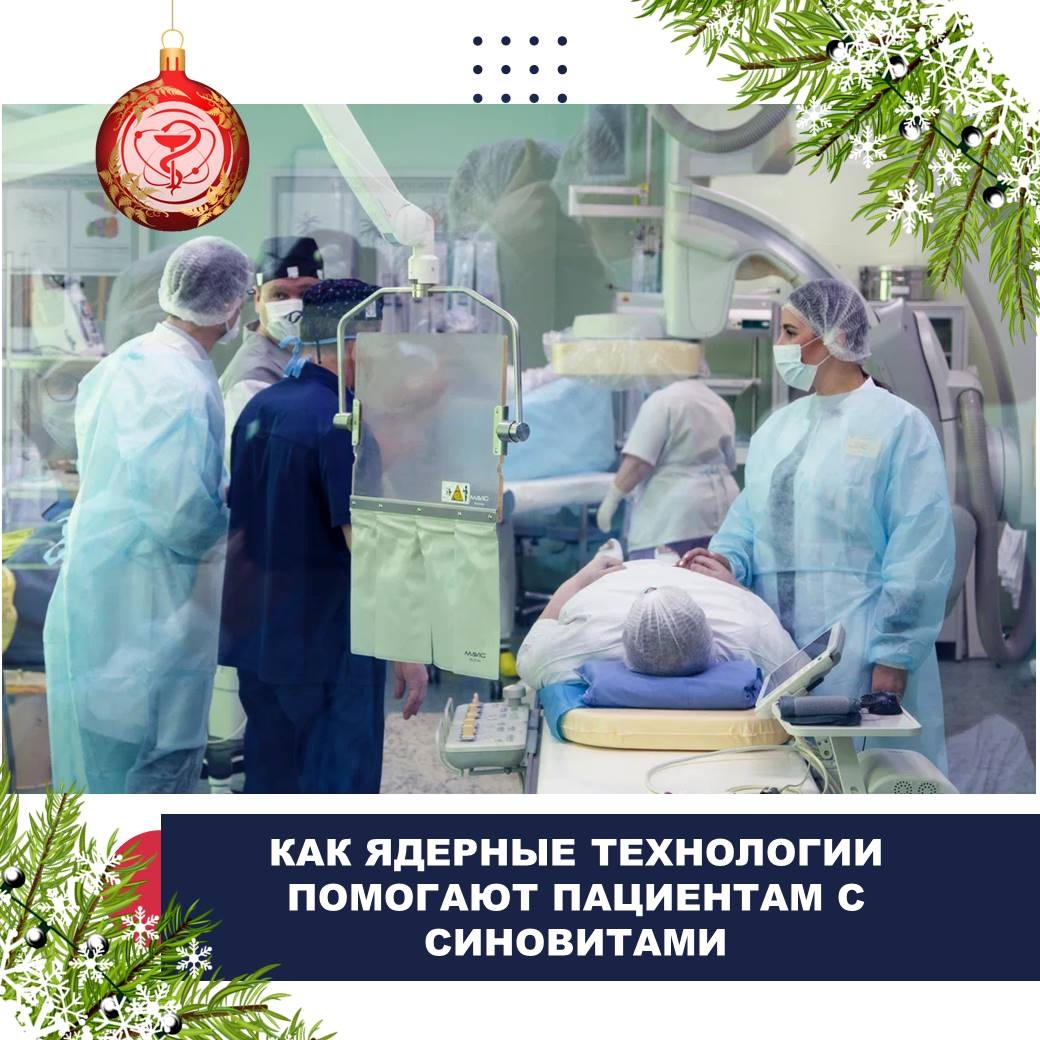
HOW NUCLEAR TECHNOLOGIES HELP PATIENTS WITH SYNOVITIS
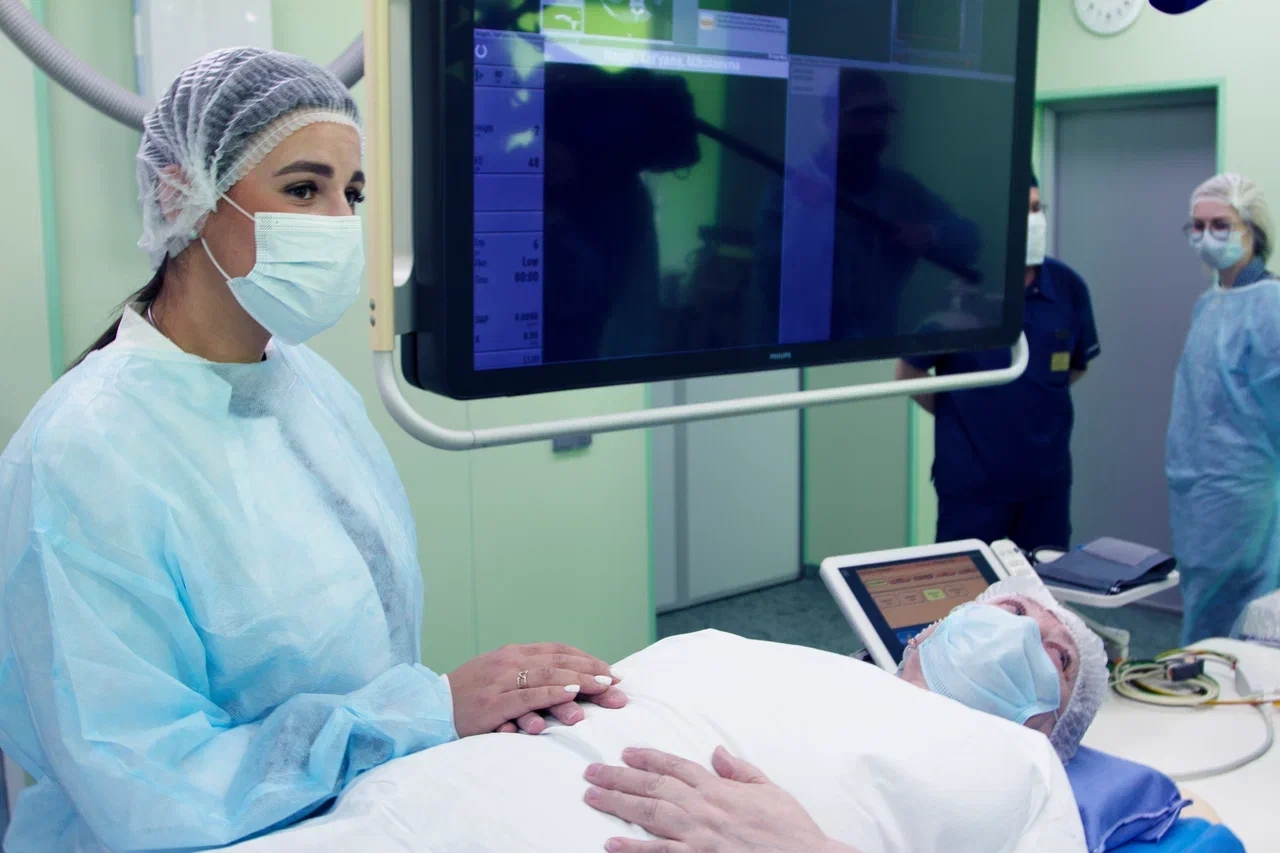
Synovitis is an inflammatory disease in which fluid accumulates in the joint cavity. Even after its removal and the administration of glucocorticoids into the joint cavity, the fluid begins to accumulate again, causing severe discomfort, pain, joint swelling, and limited mobility. Together with Karina Petrosyan, a radiologist at the Radionuclide Therapy Department of the A. Tsyb Medical Radiological Research Centre — branch of the National Medical Research Radiological Centre of the Ministry of Health of Russian Federation, we will discuss the treatment of chronic synovitis using rhenium-188.
“Radiosynovectomy is a method used by our Centre to treat synovitis that is resistant to standard treatment methods”, – emphasises Karina Manvelovna, “occurring in patients with rheumatoid arthritis, psoriatic arthritis, gout, and several other rheumatic diseases. To assist such patients, we use an innovative domestic radiopharmaceutical drug developed at the National Medical Research Radiological Centre of the Ministry of Health of Russian Federation”.
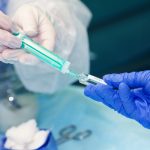
The drug is synthesised using a compact rhenium-188 generator, which contains a highly radioactive tungsten isotope that decays into rhenium-188. It is safe for humans while also emitting powerful beta radiation. “Radiosynovectomy has proven to be an effective method of treating synovitis resistant to standard therapy, which significantly reduces quality of life. The drug is a liquid based on rhenium-188 and albumin spheres, administered intra-articularly completely safely for the patient”, – says Karina Manvelovna. Appointments for an in-person consultation with specialists from the A. Tsyb MRRC via contact center: 8 800 250-87-00.