

 +7(495)150-11-22
  +7(800)250-87-00
  +7(499)110-40-67


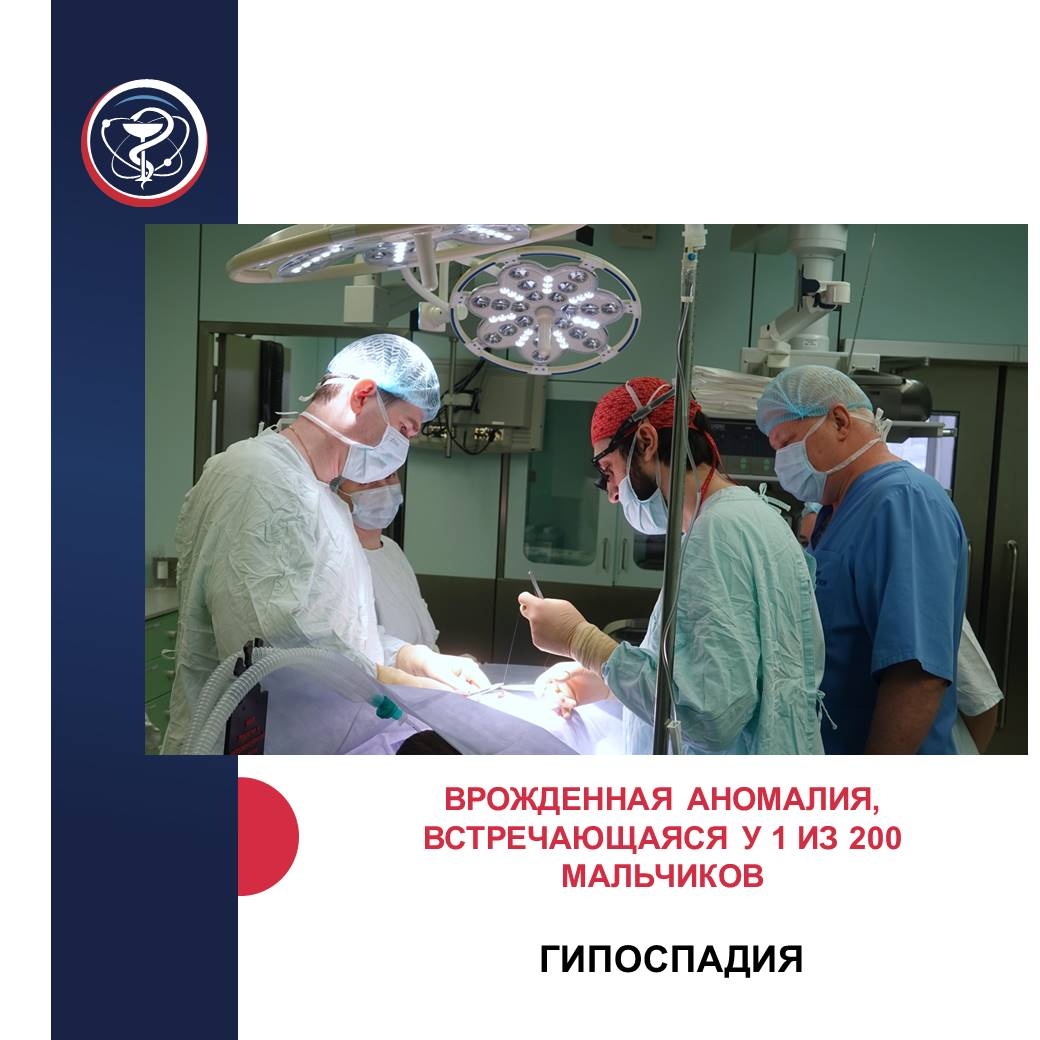


HYPOSPADIAS: A CONGENITAL ANOMALY OCCURRING IN 1 IN 200 BOYS
Hypospadias in children is one of the most common congenital malformations of the urinary canal, in which the external opening of the urethra does not appear at the tip of the penis but on the underside of the penis, scrotum, or perineum. The condition is accompanied by curvature of the penis and impaired urination, causing numerous physical and psychological problems for the young patient and their family. It can only be treated surgically. Surgeries performed before the age of 3 are better tolerated by children.
What are the causes of the condition?
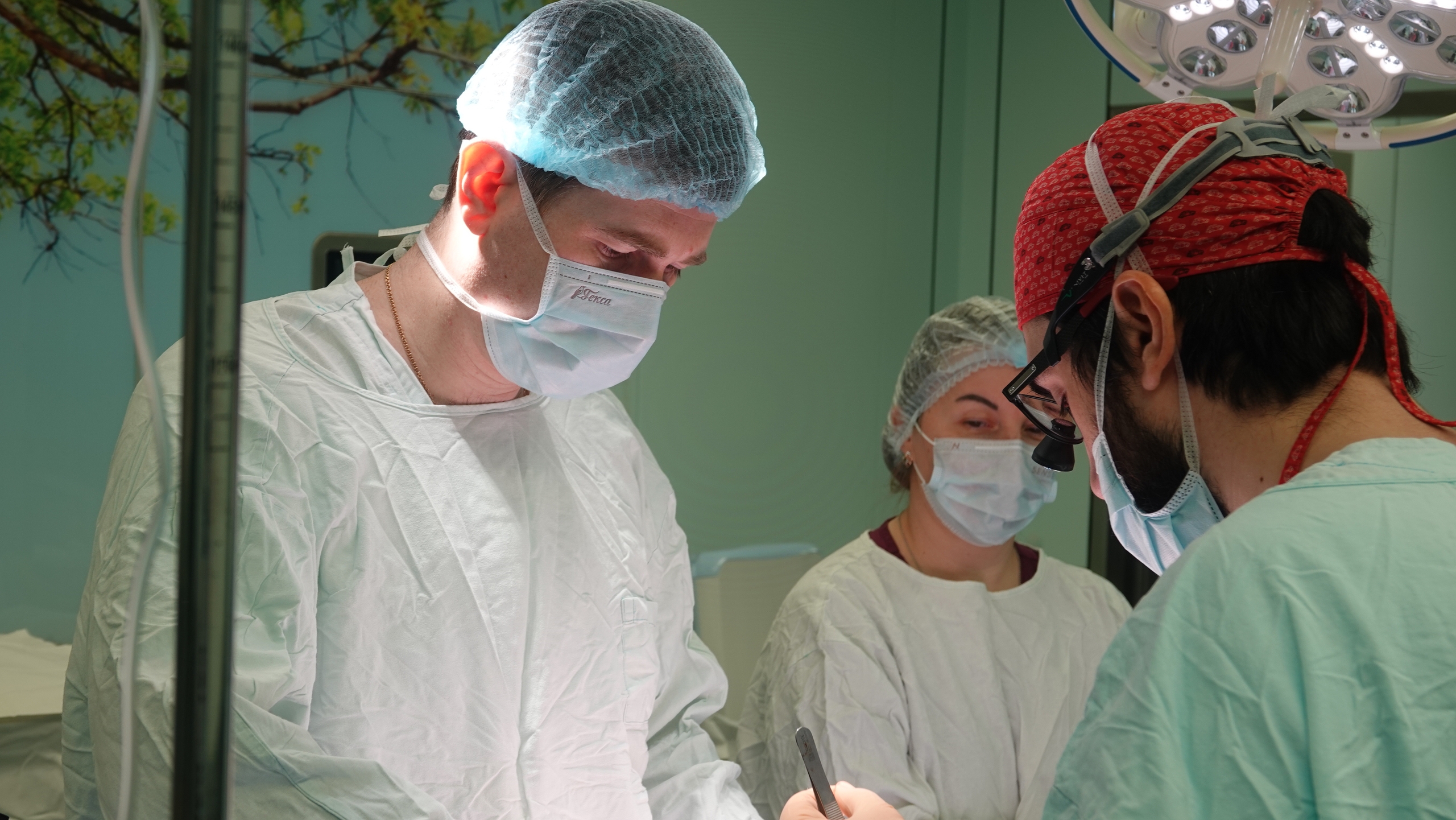
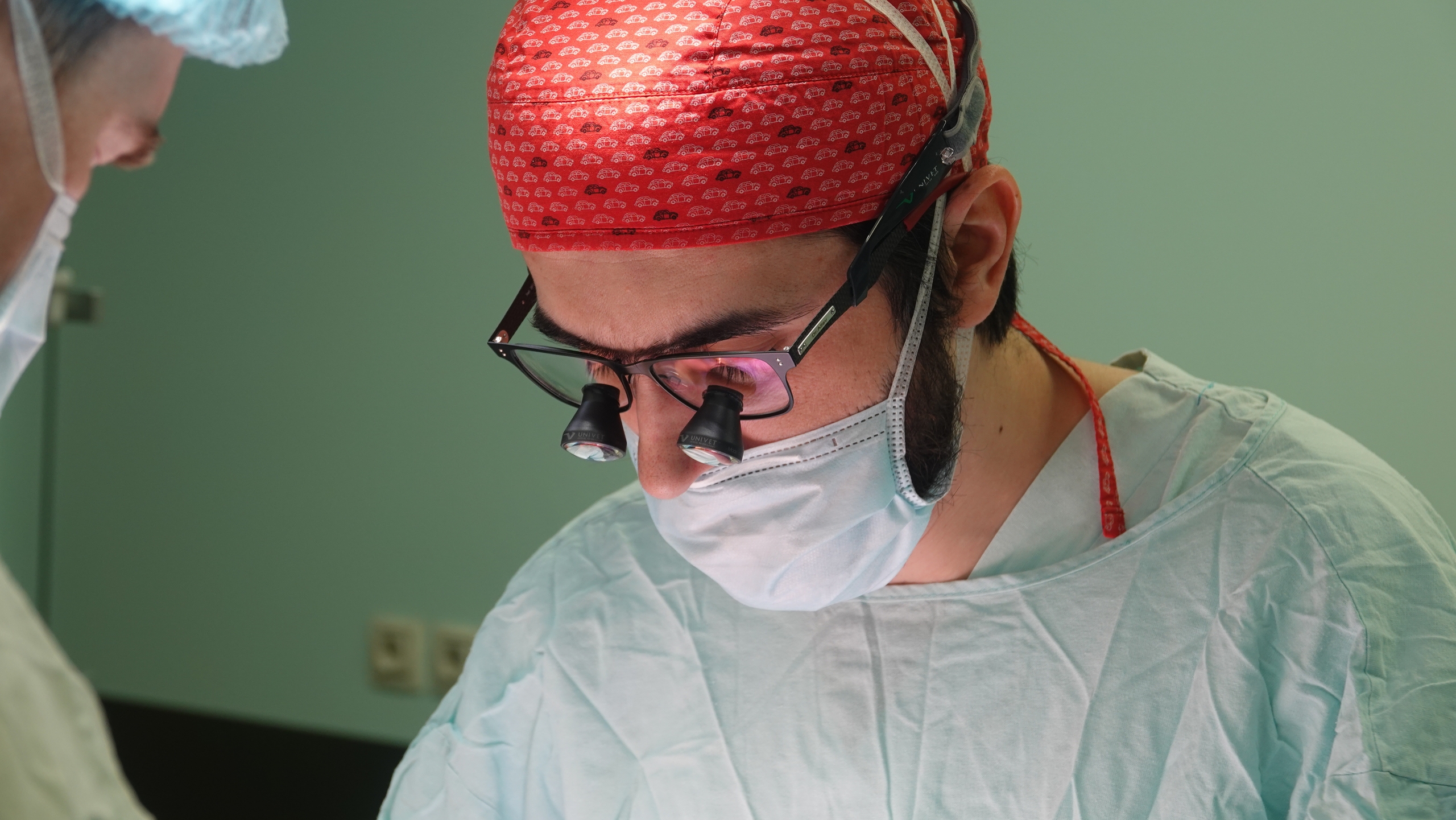
«There are many factors, including genetic factors, hormonal disorders (androgen deficiency) or environmental influences during the first trimester of the mother’s pregnancy (weeks 7–14) », – explains Dr. Yuri E. Rudin, Head of the Pediatric Urology Group at the N. Lopatkin Scientific Research Institute of Urology and Interventional Radiology – branch of the National medical research Radiological Centre of the Ministry of Health of the Russian federation. «We have gathered the largest experience in successfully reconstructing such injuries in children using the patient’s own tissue flap». «Today we performed urethroplasty on a two-year-old boy with underdevelopment of the urethra», – says leading specialist of the Pediatric Uroandrology Department, Dr. Jamalutdin Aliev. «The surgery is performed under anesthesia and takes about two hours. The patient is now in his room, we will monitor the rehabilitation process, and in a week, we will discharge him home with his mother».
The boy has the ‘simplest’ form of the condition, which can be very effectively treated in a single stage. There are more complex cases, such as scrotal, peno-scrotal and perineal hypospadias. Such conditions are treated with a two-stage procedure. When performed on time by skilled specialists, the surgery allows the child to quickly socialize and avoid problems in adult life. However, for complete treatment success, it is essential to follow all the doctors’ recommendations.