
 +7(495)150-11-22
  +7(800)250-87-00
  +7(499)110-40-67


NEW OPPORTUNITIES IN MICROSURGERY: A STATE‑OF‑THE‑ART MICROSCOPE HAS BEEN INTRODUCED AT THE P. HERTSEN MORI
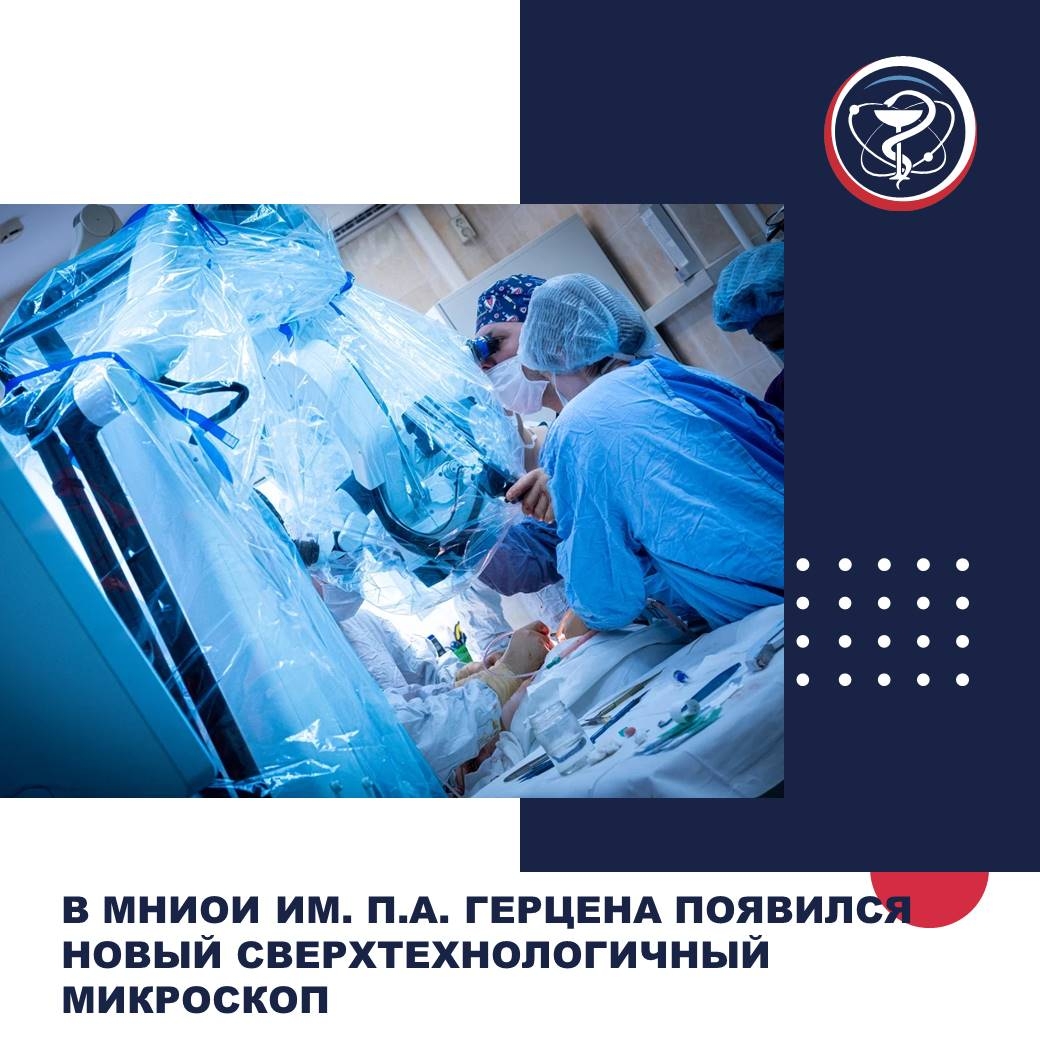
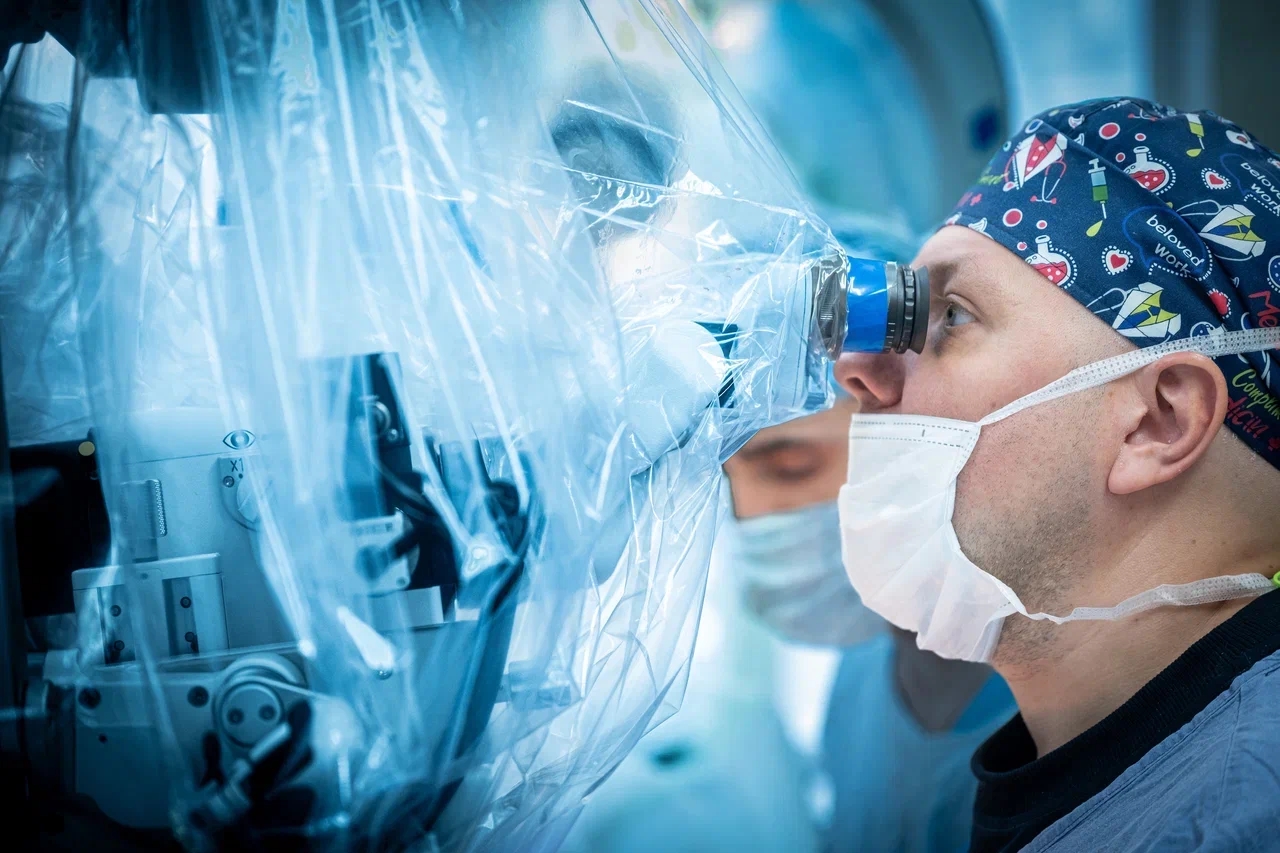
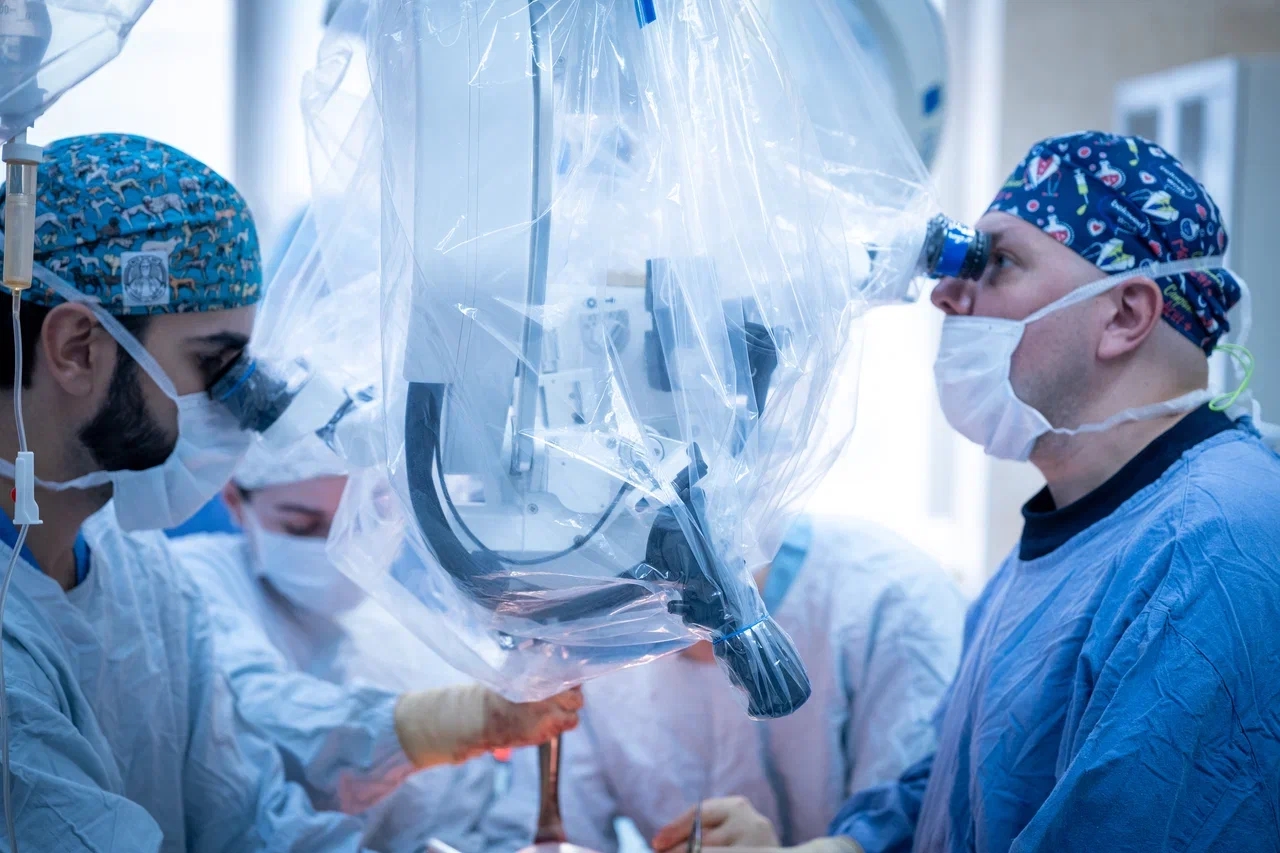
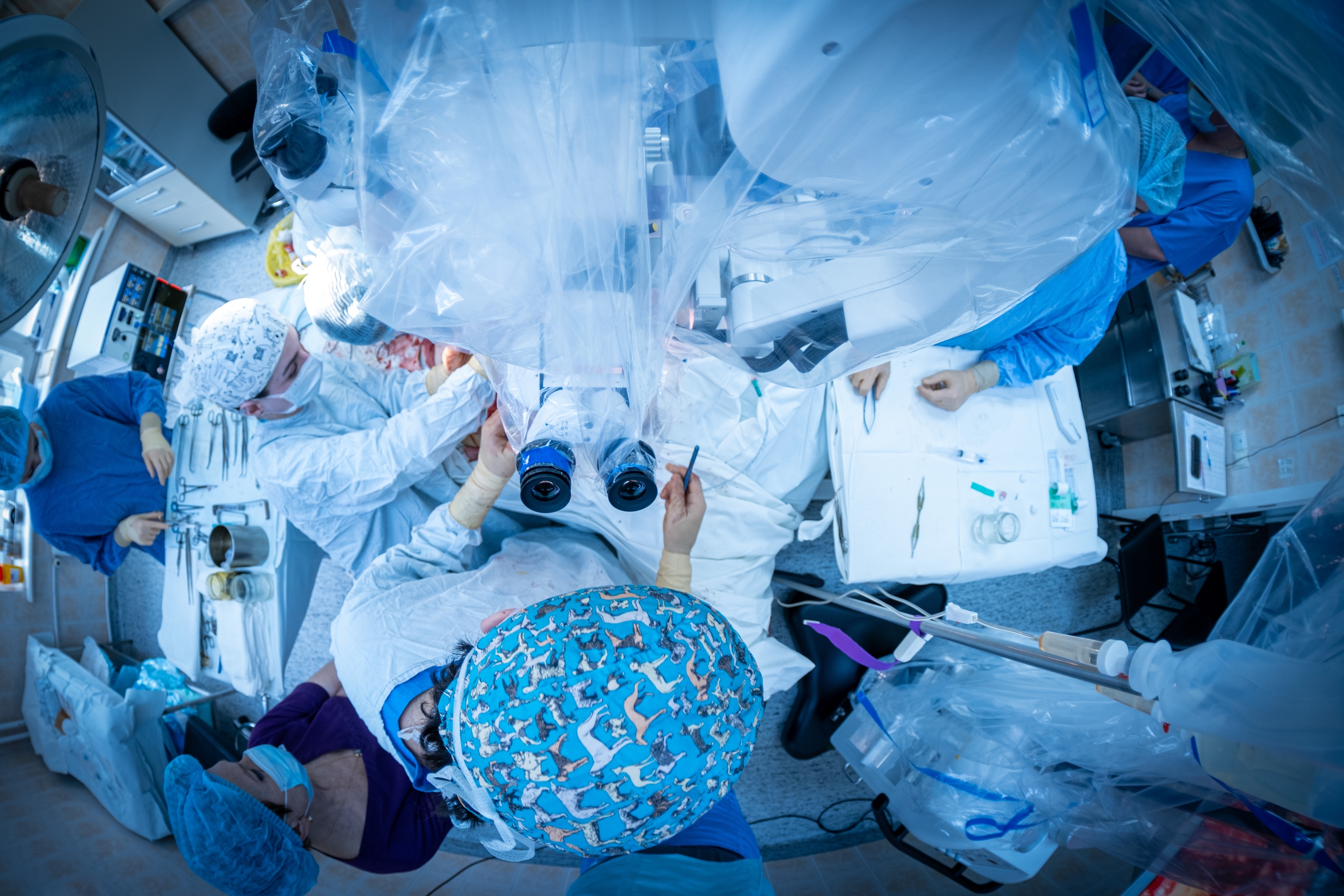
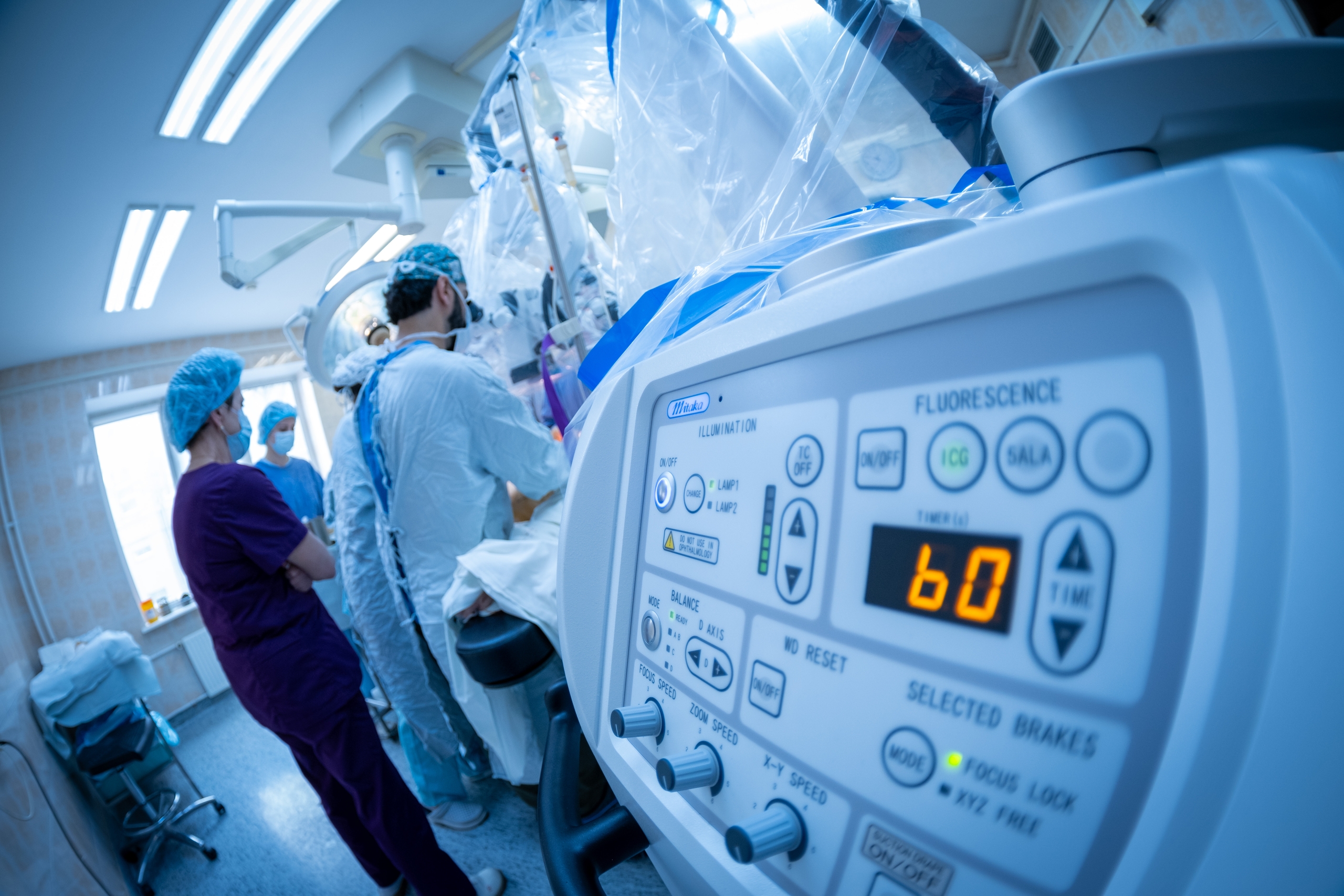
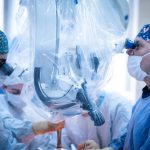
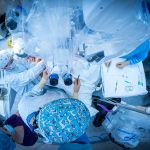
The P. Hertsen MORI – branch of the National Medical Research Radiological Centre of the Ministry of Health of the Russian Federation — has commissioned a cutting‑edge operating microscope, which is already being used by the Center’s surgical team. Currently, this is the second such microscope in Russia, underscoring the high level of technological equipment at the institution. Its introduction expands treatment options for patients requiring complex reconstructive care.
This concerns interventions where precision is critical: microsurgery and supermicrosurgery, as well as work with the finest blood vessels and lymphatic structures. The new device provides up to 77× magnification, enabling surgeons to see the smallest anatomical details and operate at a level previously beyond visual control.
This is especially important in surgeries involving the lymphatic system. Now, during an intervention, doctors can assess the condition of lymphatic vessels in real time, select the most functional ones, and immediately verify the results. For the patient, this means more precise surgery and, consequently, a more stable outcome.
A separate focus is reconstructive surgery, including breast reconstruction after cancer treatment. Here, high precision in working with blood vessels directly affects tissue survival and the course of the postoperative period.
The new technological capabilities help reduce the risks of complications and make treatment outcomes more predictable.
Just one day after the equipment was put into operation, the team of the Department of Oncoplastic Surgery with Chemotherapy at the P. Hertsen MORI, led by Department Head Evgeny Troschenkov, performed a complex intervention: breast reconstruction with transplantation of vascularized lymph nodes. Such surgeries address several goals at once: they not only restore shape and volume but also help combat lymphedema — one of the most severe consequences of cancer treatment. Transplantation of lymph nodes promotes restoration of lymphatic drainage, reduction of swelling, and a return to a better quality of life for the patient.