

 +7(495)150-11-22
  +7(800)250-87-00
  +7(499)110-40-67


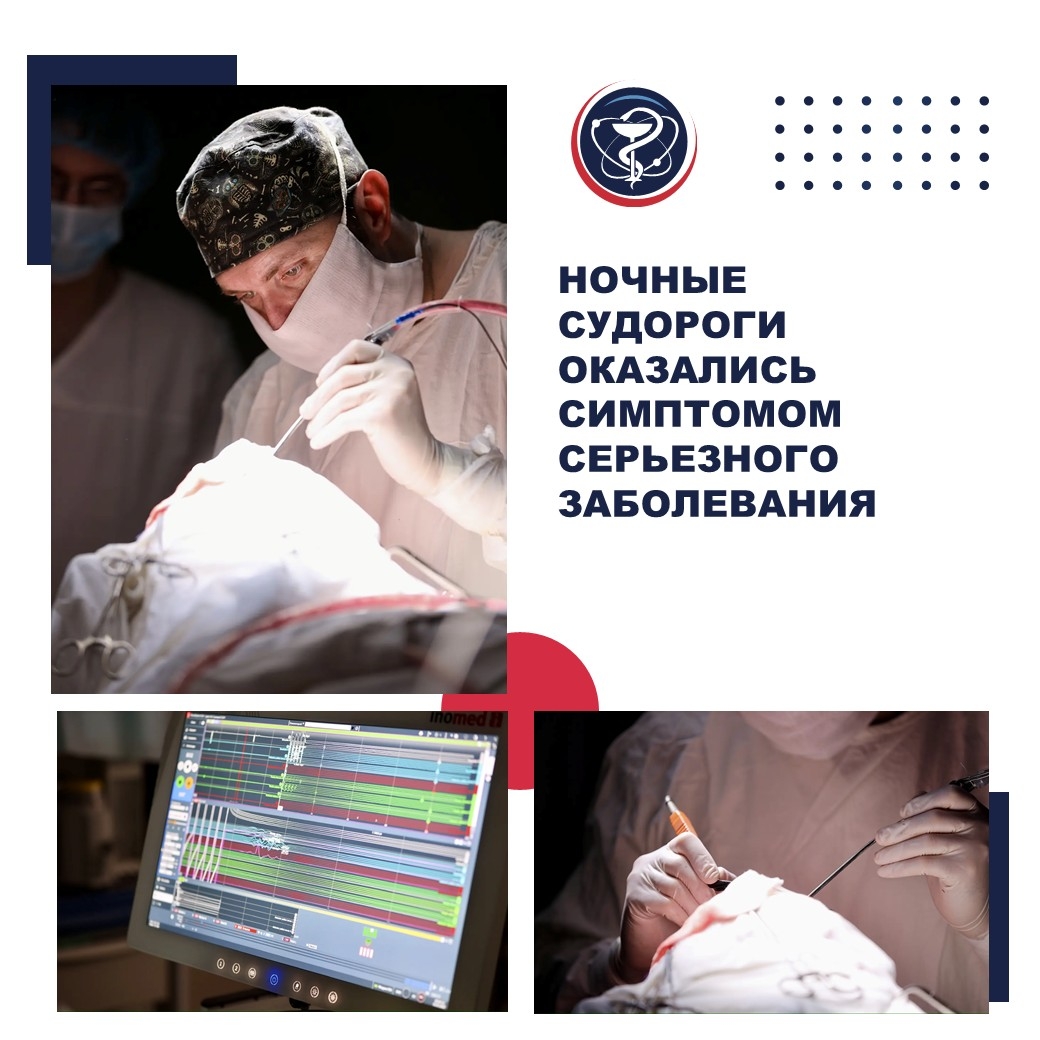
NOCTURNAL SEIZURES TURNED OUT TO BE A SYMPTOM OF A SERIOUS DISEASE
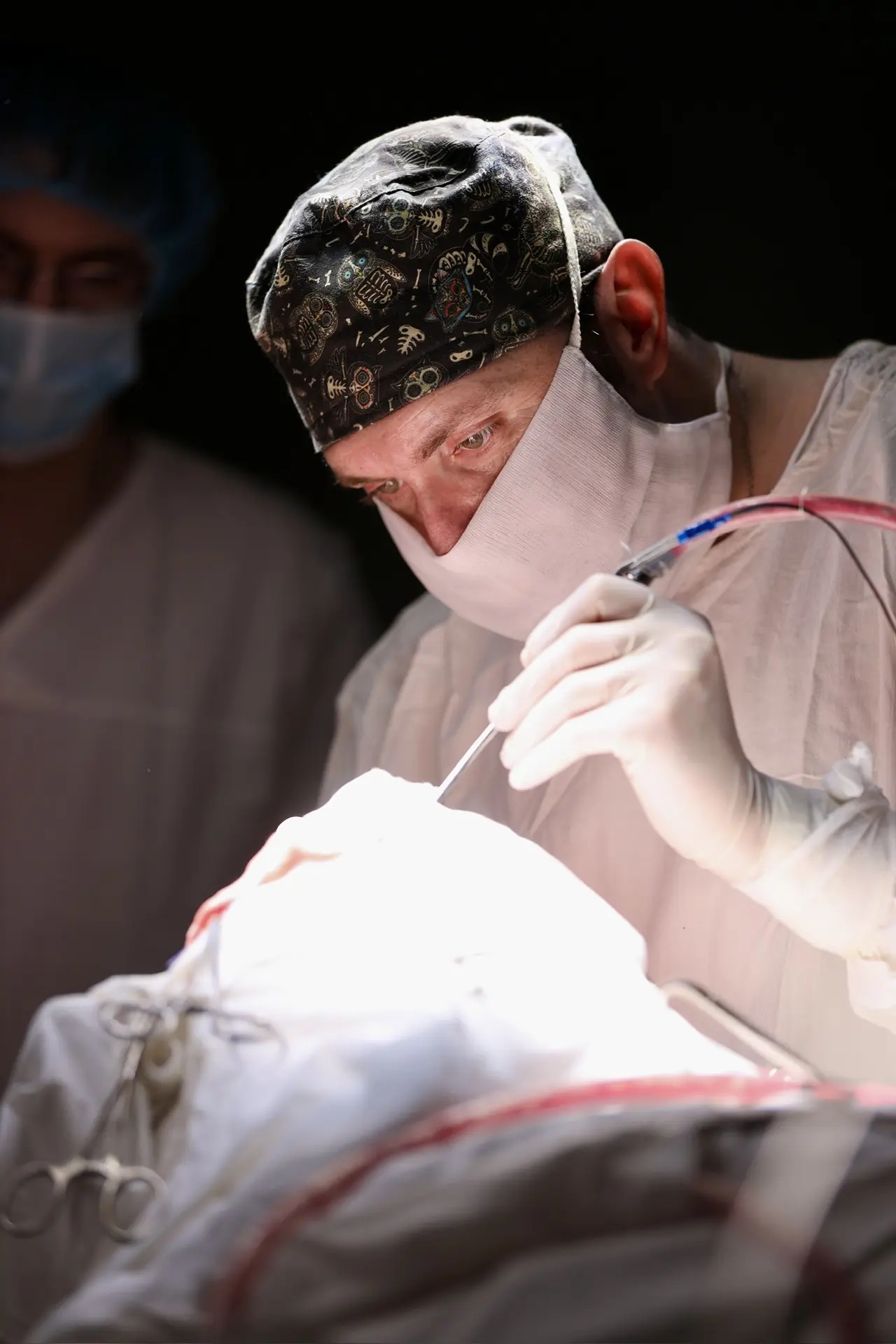
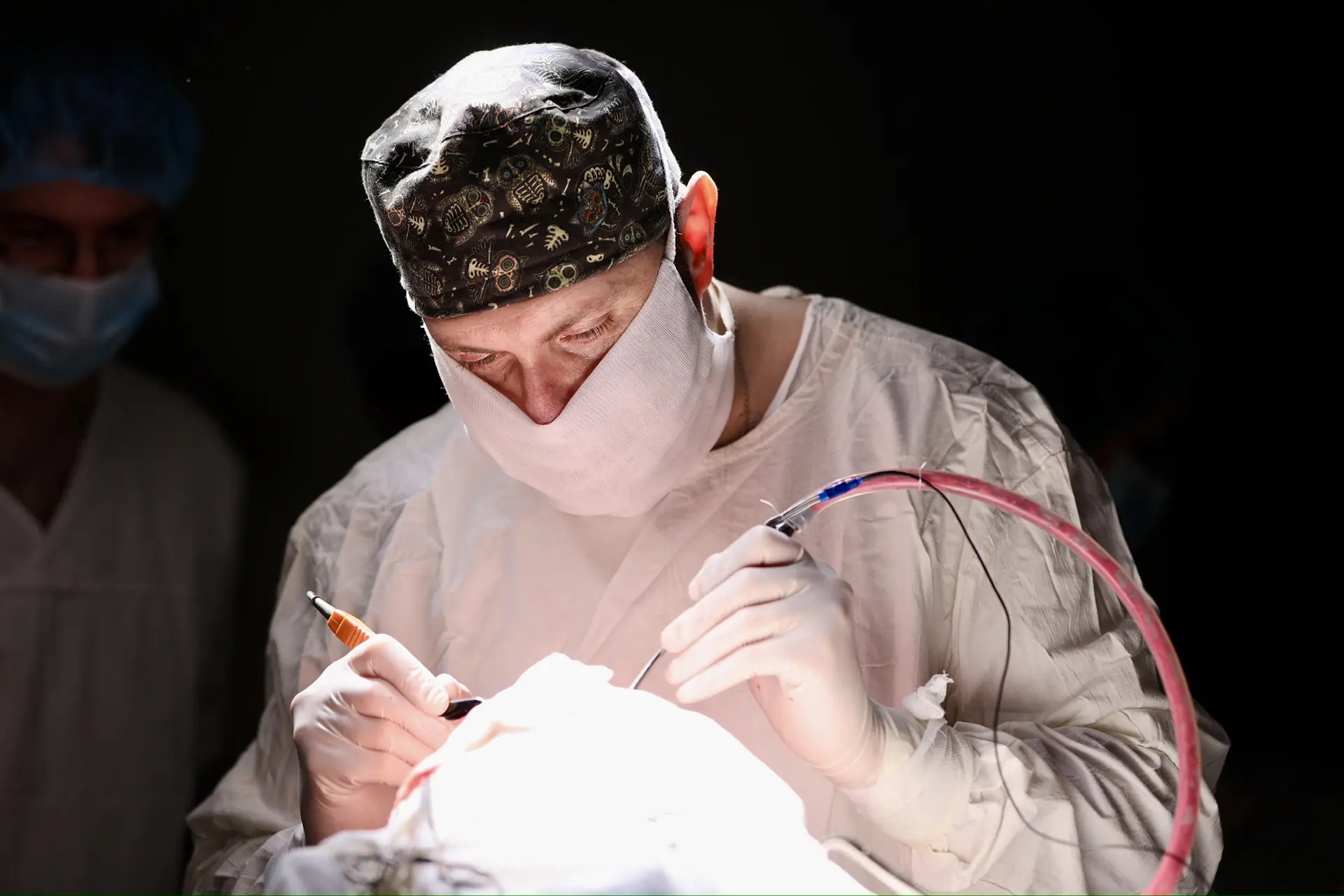
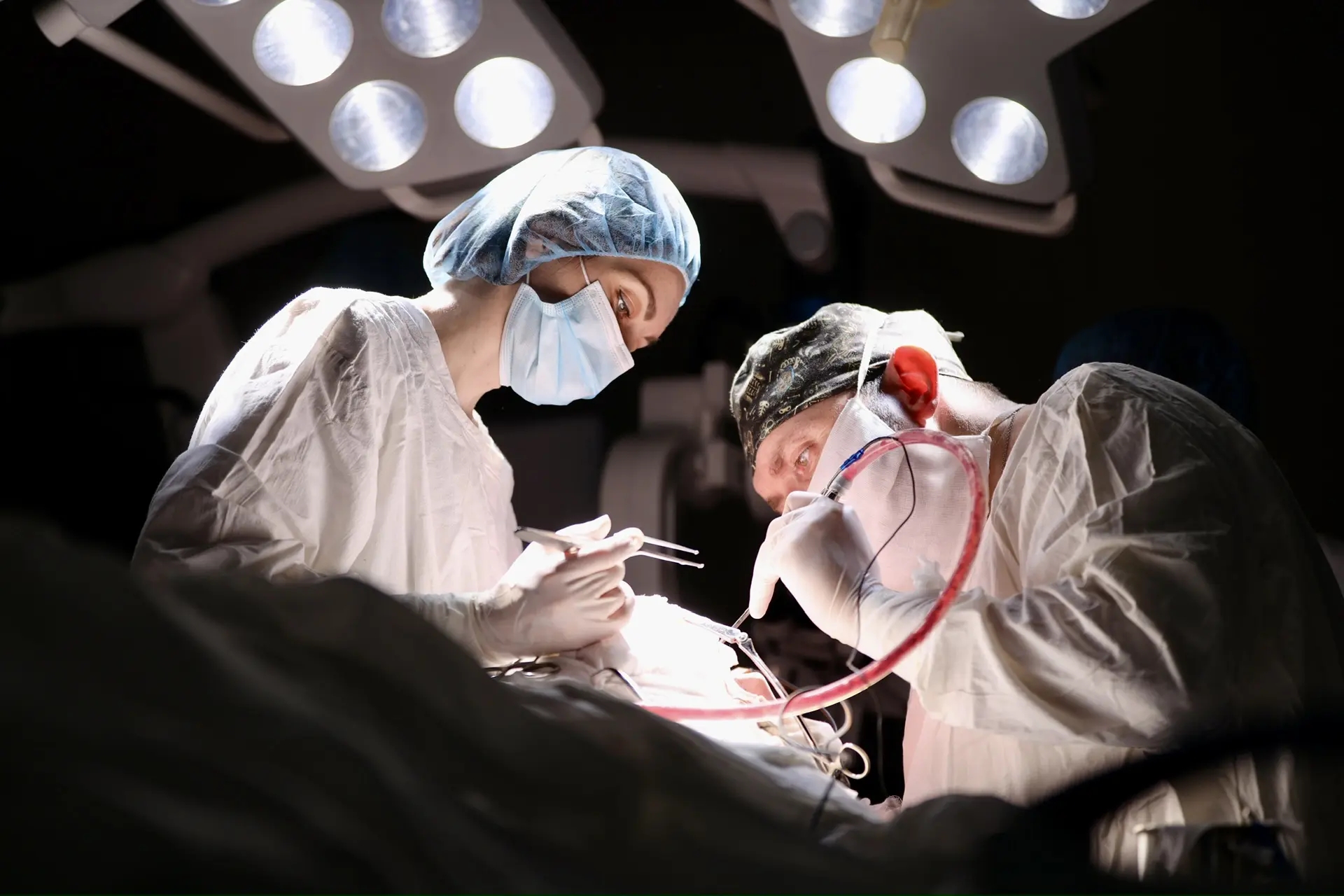
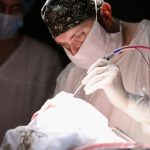
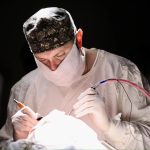
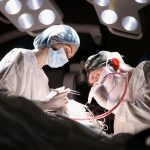
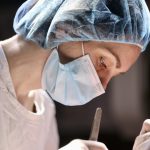
Recurrent sudden nocturnal seizures affecting the right side of his body were the first symptom 26-year-old Andrey experienced. Even during the initial examination, it became clear that these were not isolated incidents: an MRI revealed a large tumor in the left frontal lobe of the brain. Andrey sought help from the neurosurgeons at the A. Tsyb MRRC — a branch of the National Medical research Radiological Centre “In order to perform surgery in an area directly responsible for speech function, we followed a precise protocol”,- explains Doctor of Medical Sciences Sergey Goryainov, neurosurgeon at the A. Tsyb MRRC. “The gold standard of neurosurgical treatment is the use of navigation systems, which allow preoperative mapping to be carried out with perfect accuracy and provide direct access to the tumor”.
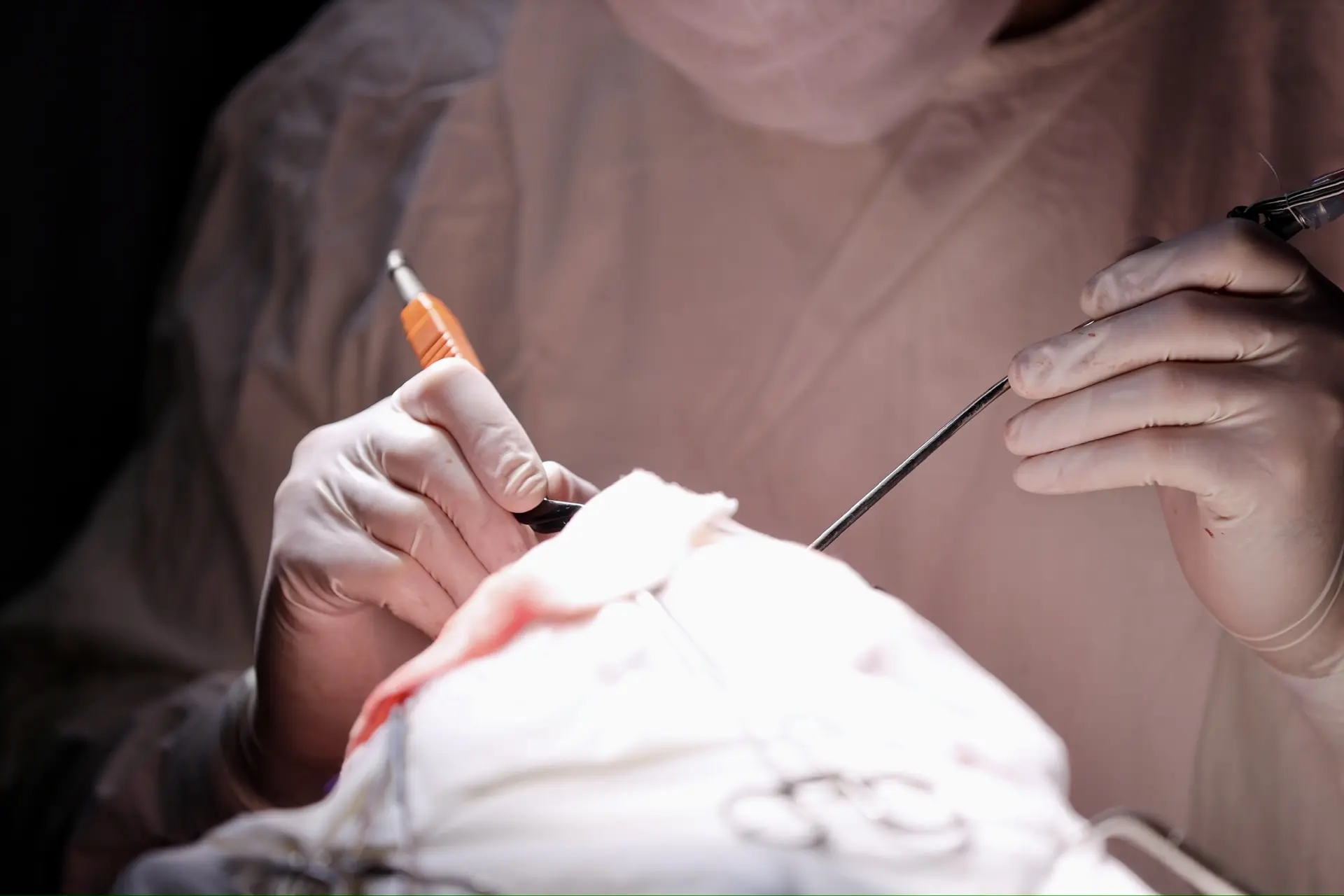
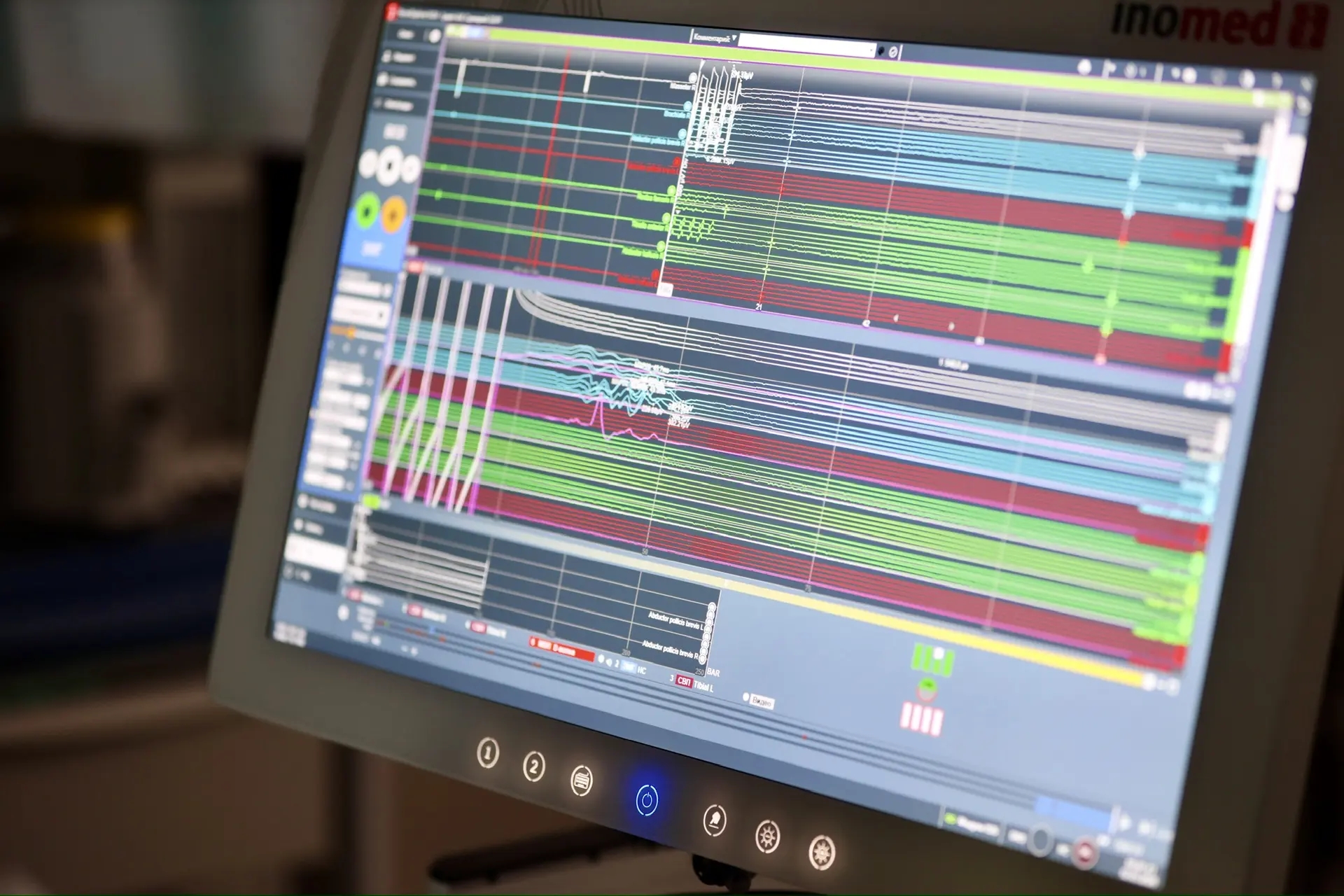
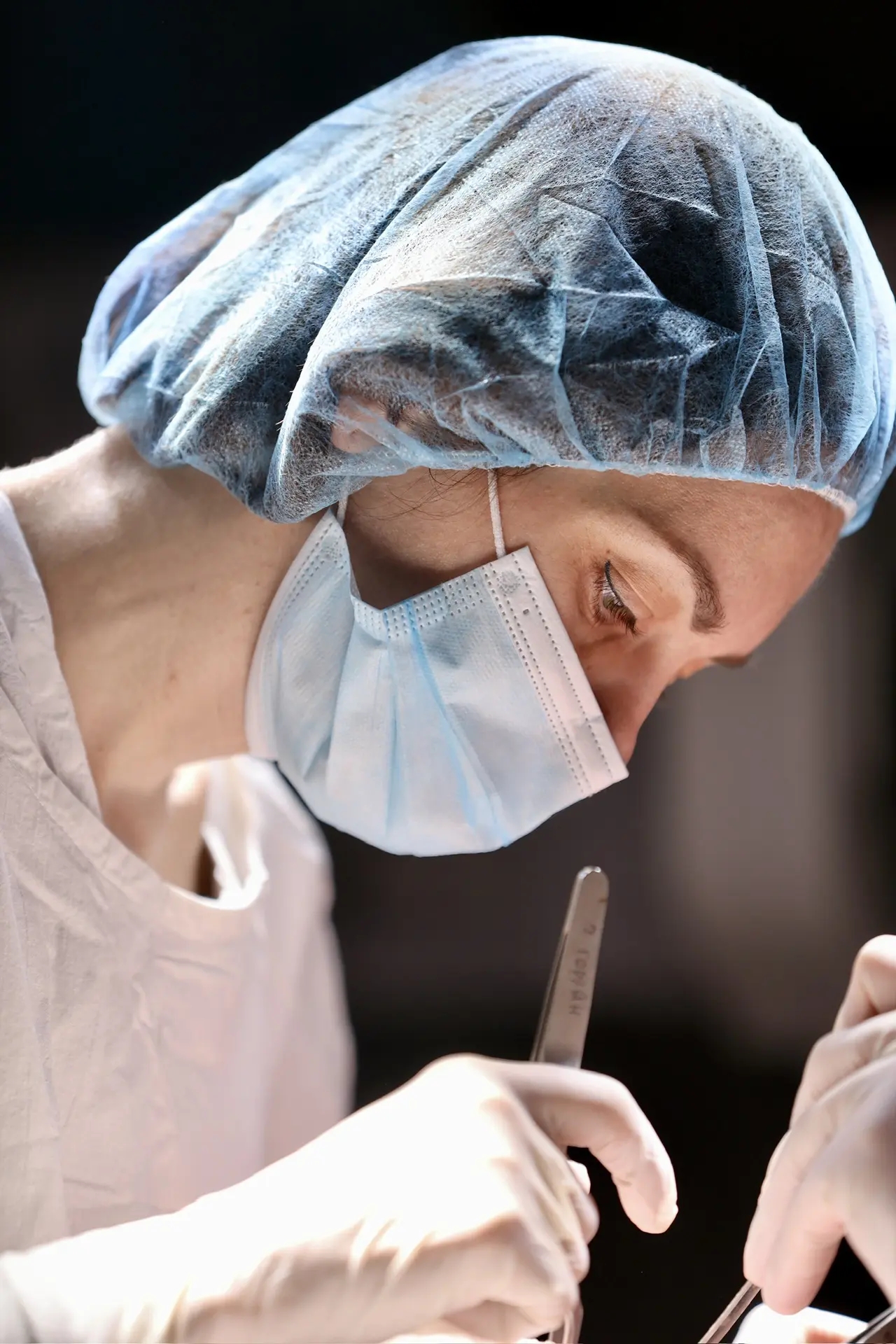
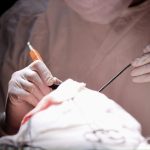
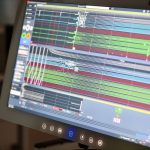
Before the operation, doctors upload the patient’s MRI data into a specialised system, and during the procedure, they record and ‘map’ anatomical coordinates (eyes, nose) to these images. Even before the craniotomy, the high-tech device determines the safest trajectory to the tumor to minimize damage to healthy brain tissue. “Our movements were measured to the millimeter, and for even greater accuracy, we used neurophysiological monitoring. Using a special stimulator, we traced the brain’s motor pathways. This is what allowed us to avoid injuring critical structures and causing disability,” says Sergey Alekseevich. The operation went according to plan, and in the days following, Andrey devoted himself to rehabilitation. Despite the procedure being carried out with utmost precision, the tumor had reached an extremely large size, affecting speech function.
Together with the rehabilitation doctors, our patient began to speak and even sing, which allowed us to achieve an exceptionally good result. Currently, Andrey is awaiting the results of a histological examination, which will determine the further course of treatment.