

 +7(495)150-11-22
  +7(800)250-87-00
  +7(499)110-40-67


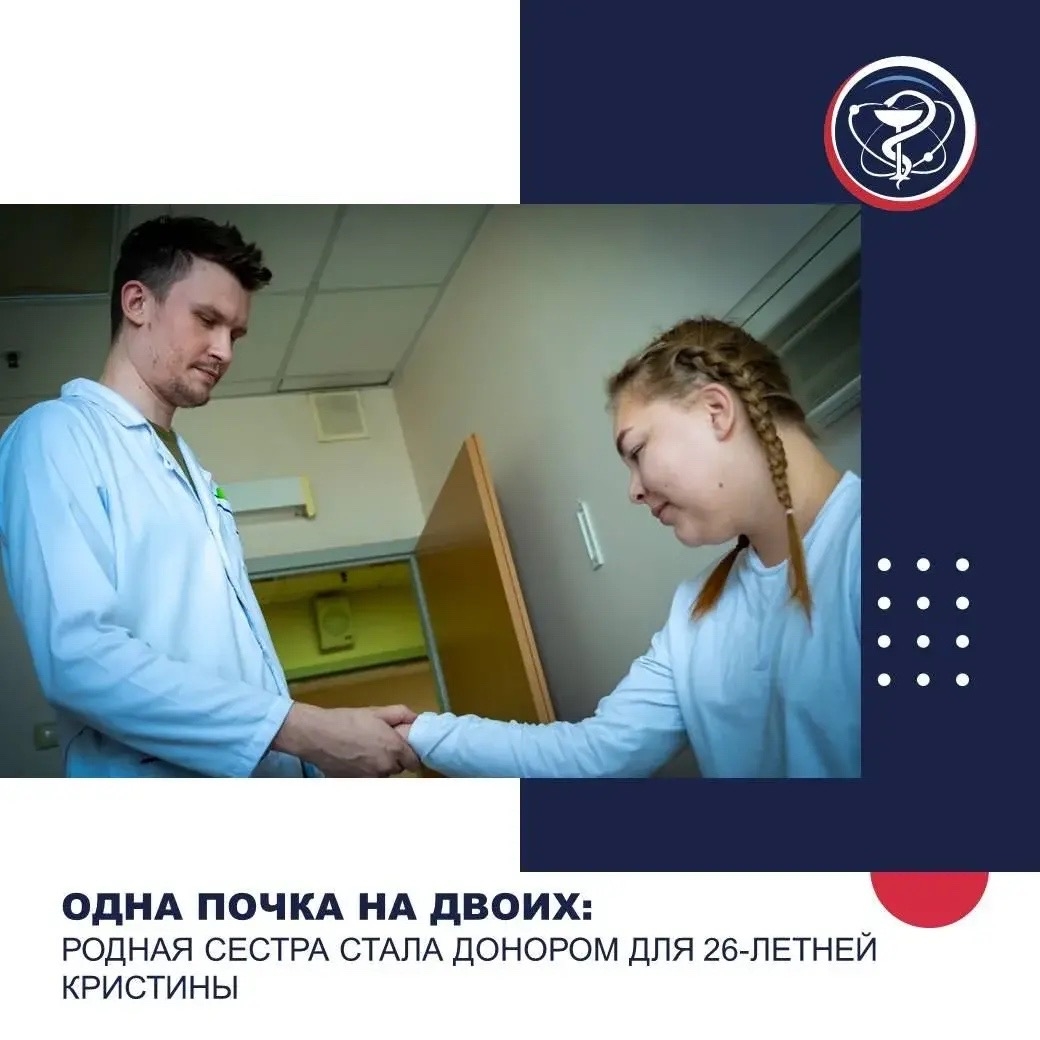




ONE KIDNEY FOR TWO: A SISTER BECAME A DONOR FOR 26‑YEAR‑OLD KRISTINA
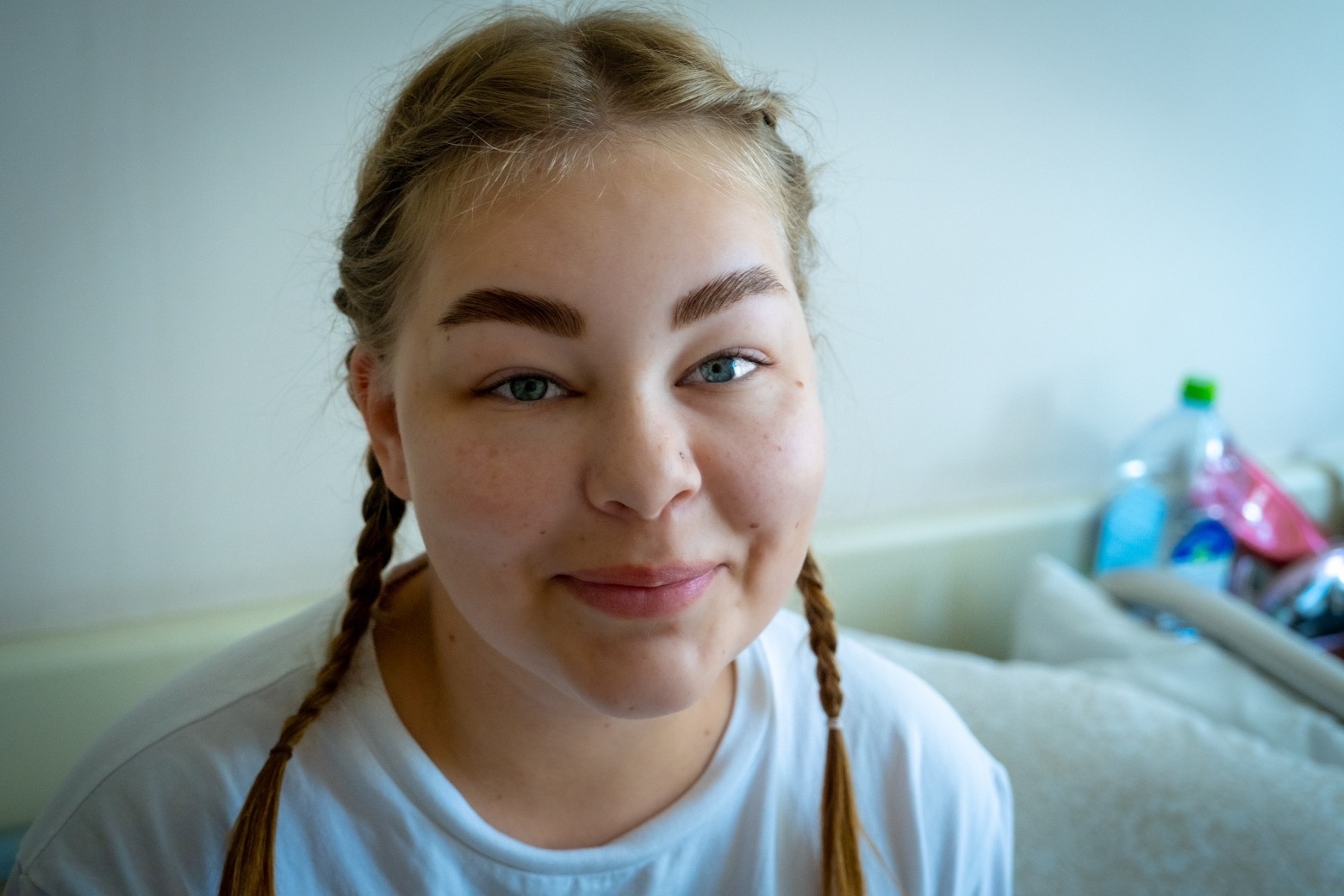
Kristina was diagnosed with type 1 diabetes when she was just two years old. For more than twenty years, the disease remained a part of her life, and four years ago it led to a severe complication — diabetic nephropathy. The progressive damage to the blood vessels in the kidneys caused a critical decline in their function, and after examinations and a biopsy, it became clear that the young woman needed a kidney transplant.
“I got on the waiting list for a kidney transplant; there is a unified registry in our country. And after some time, I was referred to the N. Lopatkin Scientific Research Institute of Urology and Interventional Radiology (SRIUIR).
But Kristina didn’t have to wait for a donor organ. Her older sister agreed to become a related donor for her.
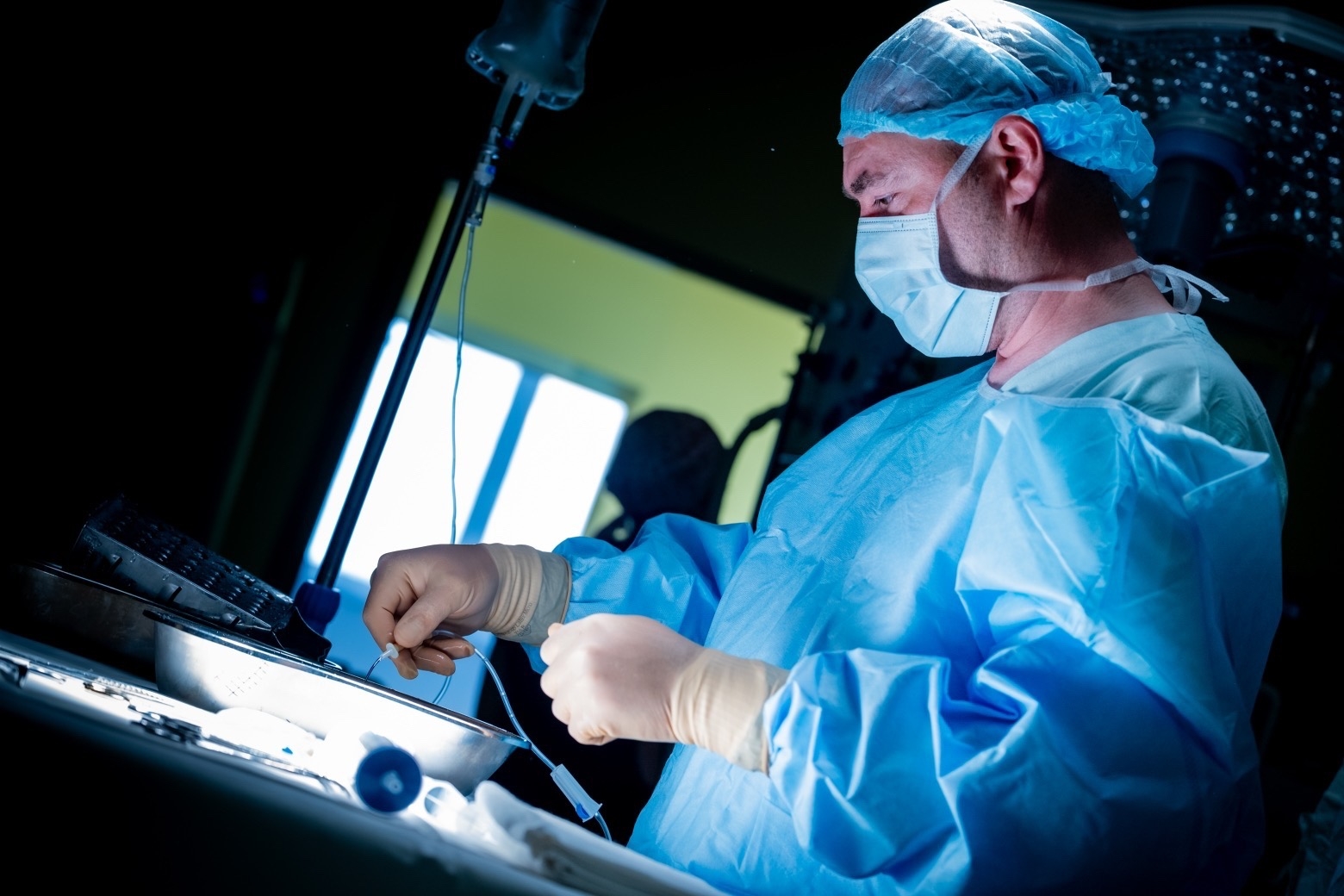
“After the necessary examinations, we confirmed that the transplant could be performed,” says Maxim Chuchin, the attending physician, urologist at the Department of Kidney Transplantation and Vascular Surgery. “Provided there is a careful selection and a full examination, a healthy person can live with one kidney, and a related transplant allows the patient to receive a functioning donor organ”.
On the day of the surgery, the older sister was already taken to the operating room, while Kristina was waiting for her turn and agreed to talk a little about her preparation for the transplant.
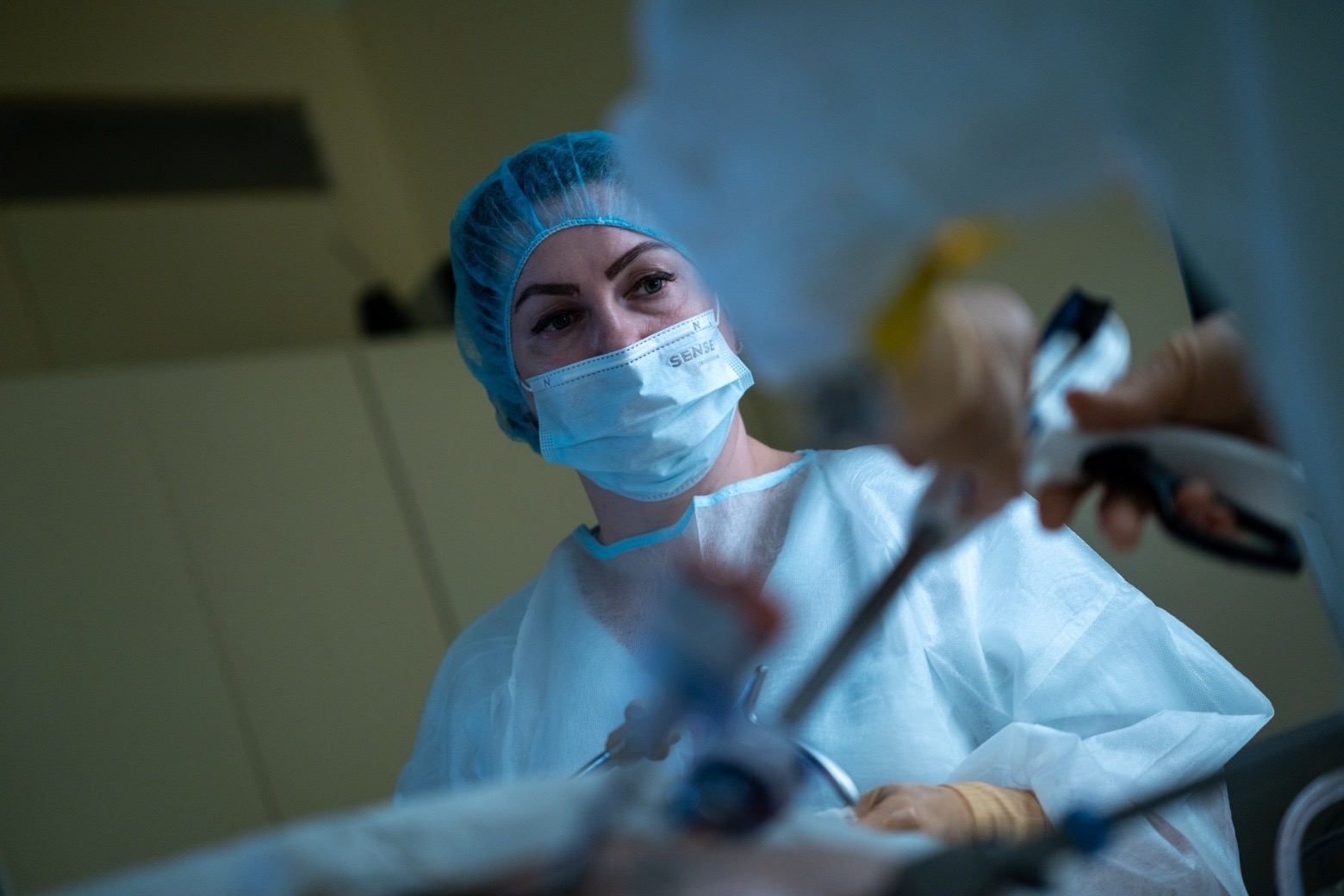
“We made a long list of questions,” Kristina shares. “And they explained everything to us in detail, showed us how it would go, what lies ahead… I really liked the medical staff — they’re all so kind and responsive; this is the first time I’ve encountered this. So, we hope that everything will be all right”.
For the transplantologists at the Institute of Urology, patients with diabetes are a standard clinical situation, although their management has its own specifics.
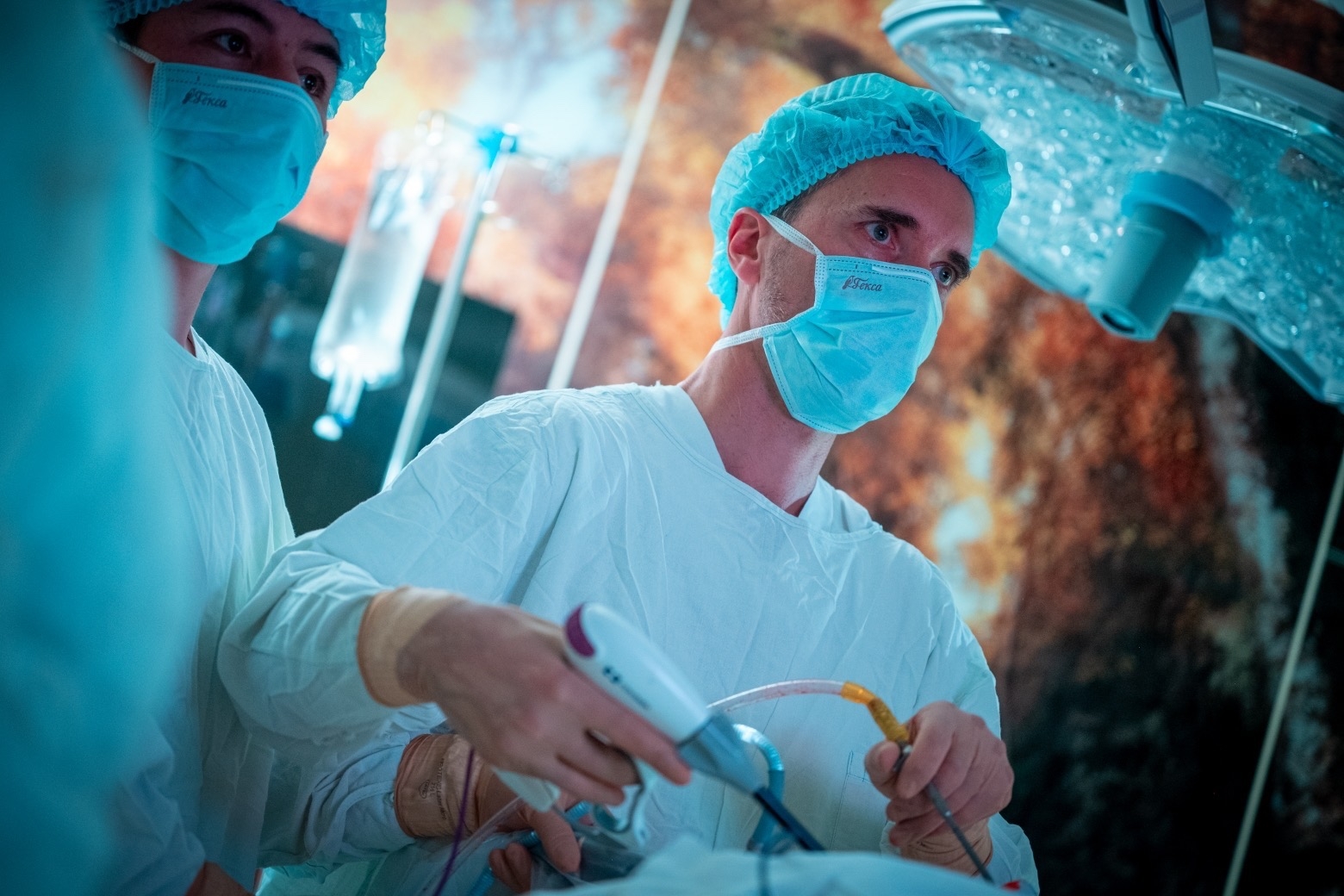
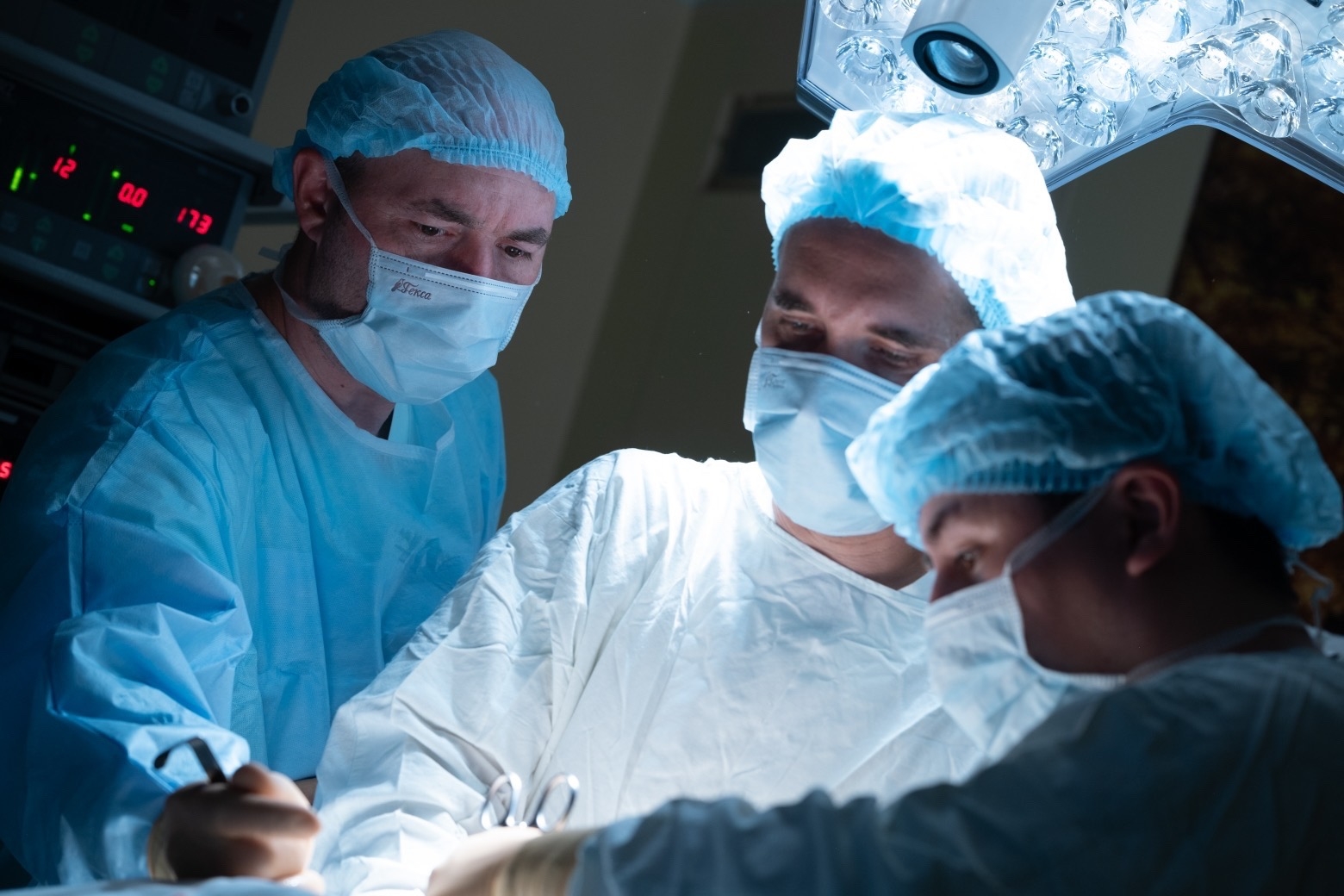
“Patients with diabetes account for 10–15 percent of the total number of transplants performed in our department, and the statistics are roughly the same for the country and the world,” says Sergey Arzumanov, head of the Kidney Transplantation and Renal Replacement Therapy Group, operating surgeon, Doctor of Medical Sciences. “The specifics of such operations are that the patients have vascular problems and complex control of blood glucose levels in the early postoperative period. But for us, this is basically a routine case. We just need the body to accept the new organ.”
Now the doctors face the next challenge — to monitor both the function of the transplanted kidney and the course of diabetes.
“After the surgery, against the background of hormonal therapy, we must monitor both the function of the transplanted kidney and the sugar levels”, – explains Dr. Chuchin. “That is, we need to choose the right therapy that will help address both problems”.
To prevent rejection of the transplanted organ, Kristina will need ongoing immunosuppressive therapy and specialist monitoring. But the kidney transplant opens up opportunities for the young woman that were recently limited by severe renal failure.
Among other things, Kristina will be able to return to her dream — to become a mother in the future. Pregnancy after a kidney transplant requires especially careful planning and specialist monitoring, but it is possible with a stable graft function.
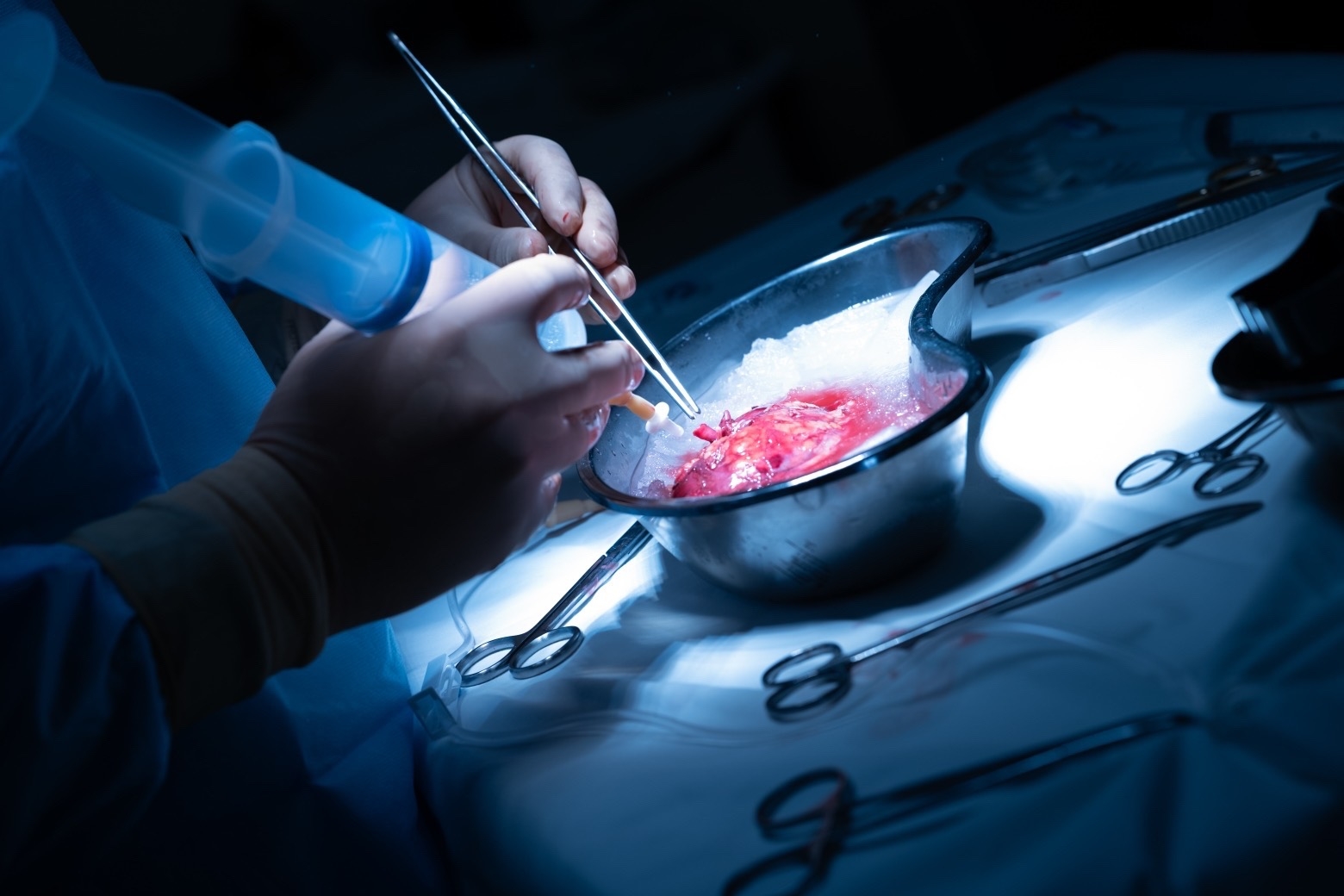
The surgical intervention for both patients was carried out as planned. Now one sister is recovering from the donor surgery, and the other’s body is learning to live with the new kidney — the very kidney that the closest person in her life shared with her!