 +7(495)150-11-22
  +7(800)250-87-00
  +7(499)110-40-67


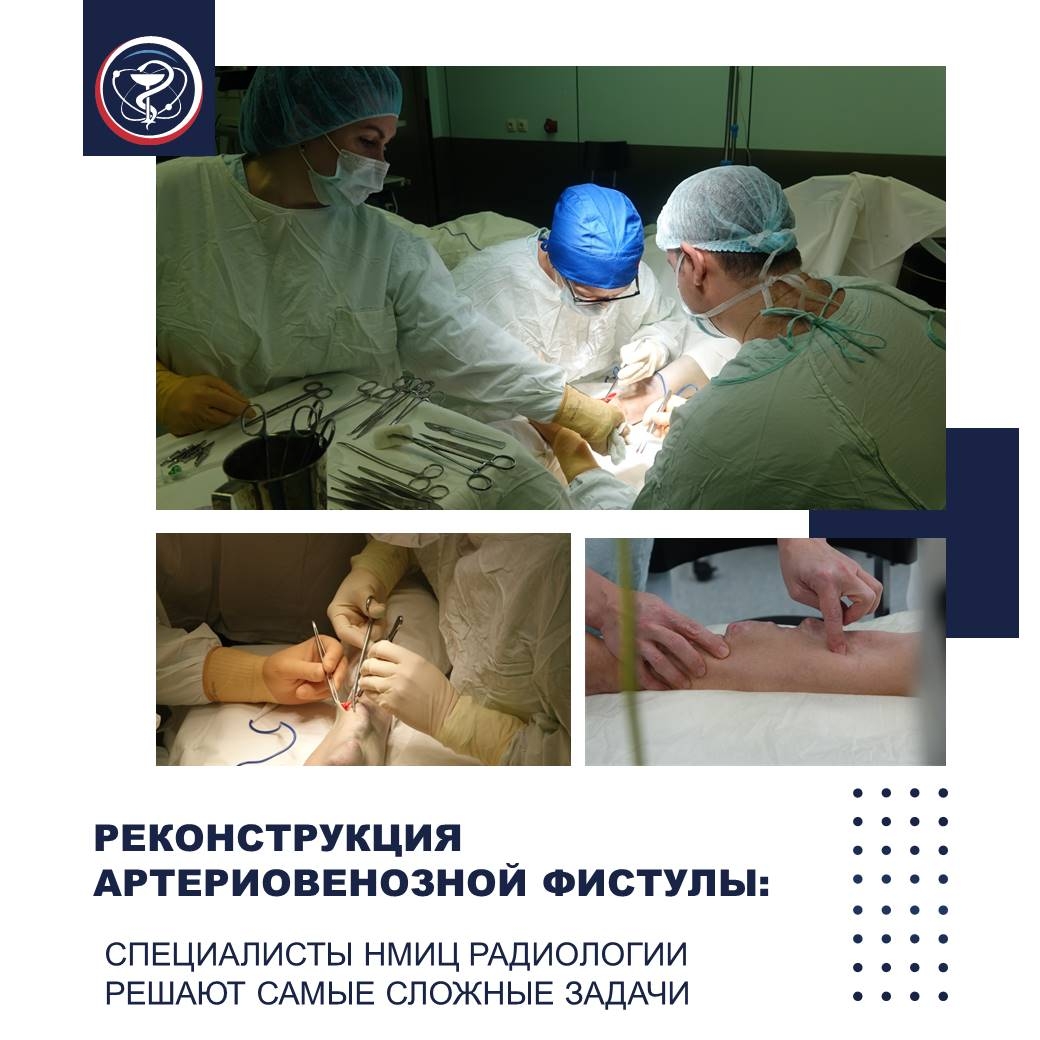
RECONSTRUCTION OF AN ARTERIOVENOUS FISTULA: SPECIALISTS AT THE NMRC OF RADIOLOGY TACKLE THE MOST CHALLENGING CASES
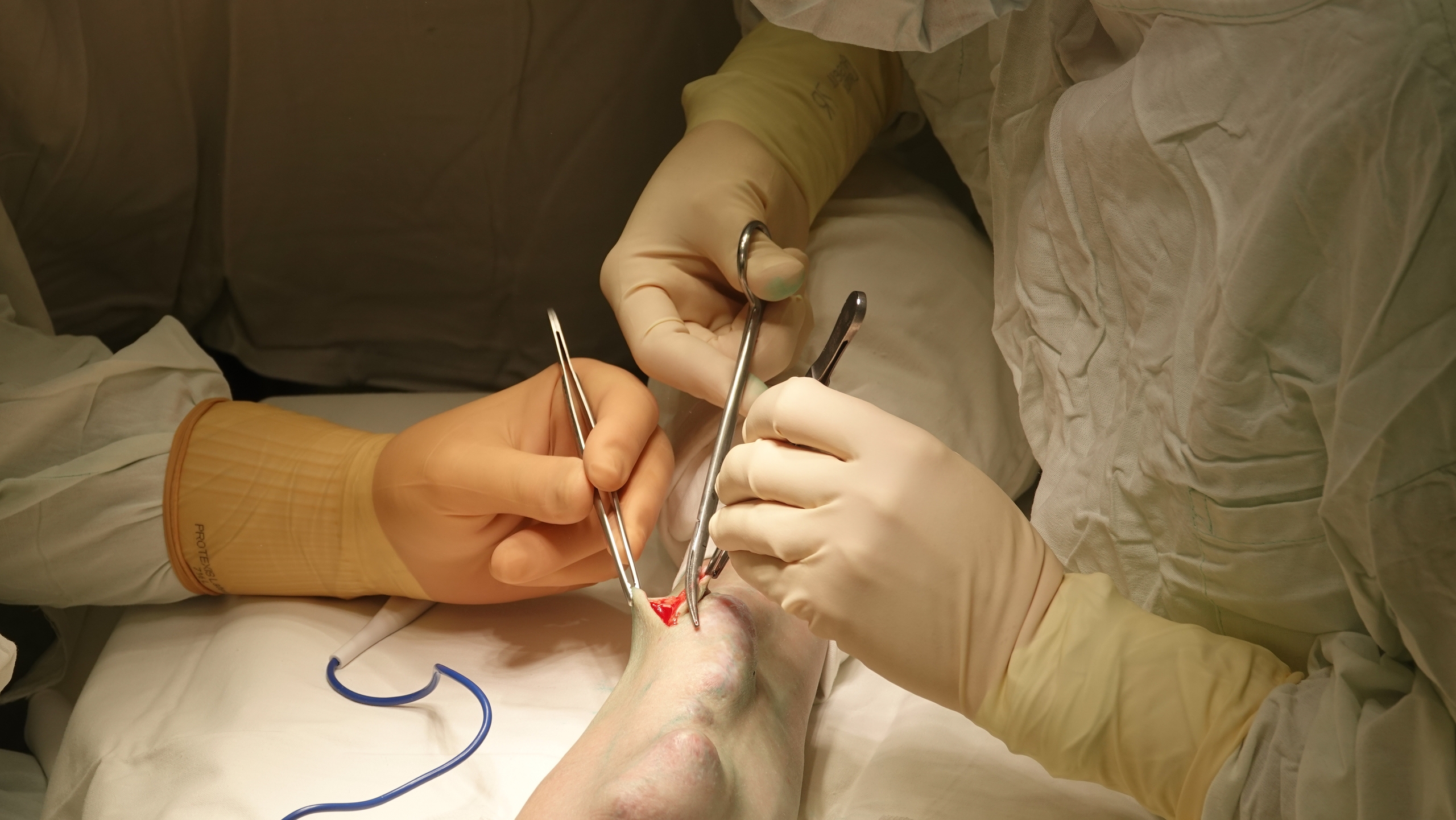
Since childhood, Sergey has suffered from congenital neuromuscular dysplasia of both ureters — a condition that led to end‑stage renal failure. In such cases, the only solution is to start renal replacement therapy, namely programmed hemodialysis, i.e. blood purification using medical equipment. To enable this, surgeons perform an operation on one of the arms to connect two blood vessels and create what is known as an arteriovenous fistula (AVF).
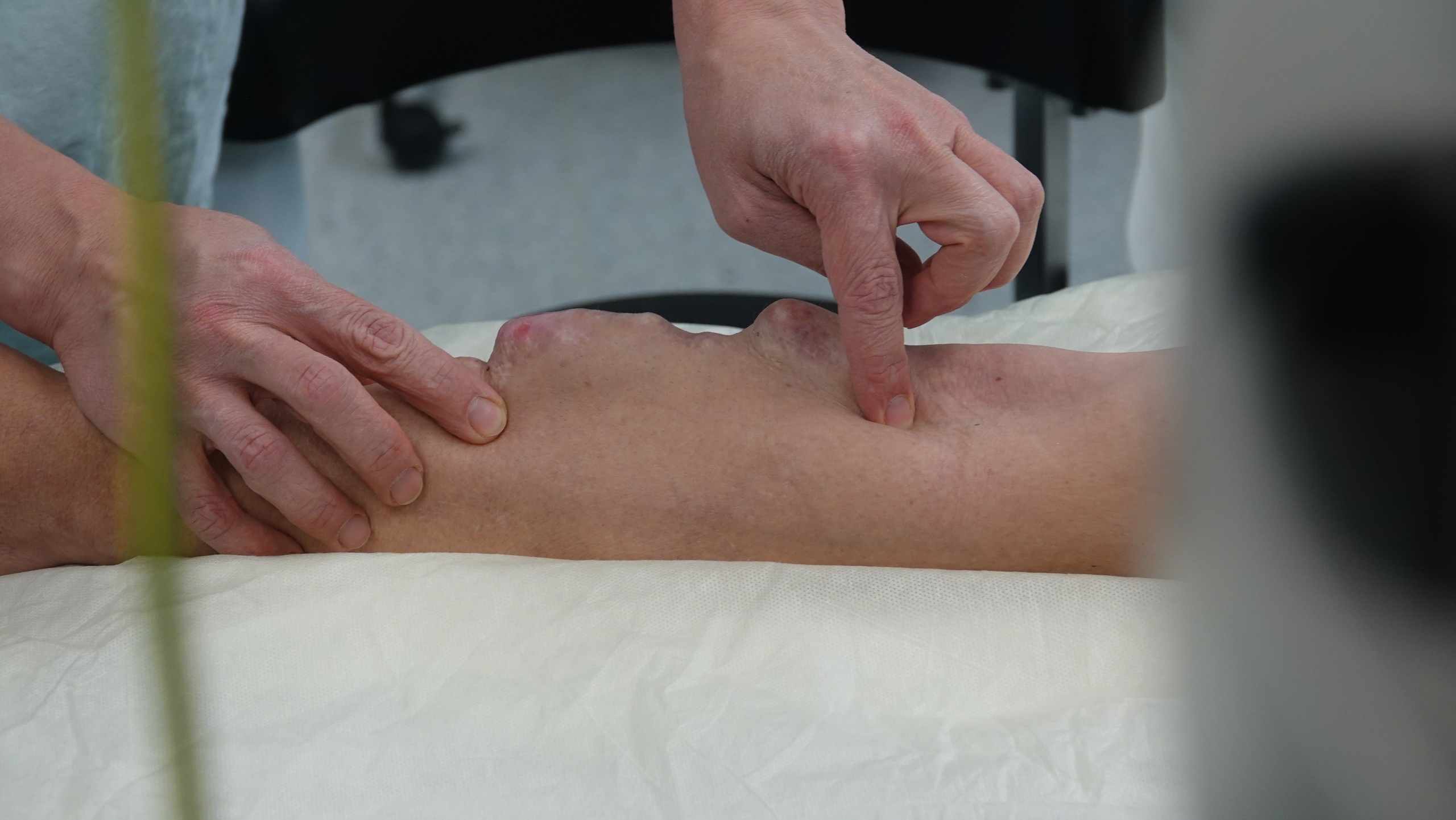
Over time, however, the patient’s AVF began to function less effectively. Vascular surgeons were then faced with a challenging task: to “repair” the fistula and ensure the patient could continue receiving life‑saving hemodialysis. Such complex operations are performed in only a handful of clinics across the country. The N. Lopatkin Scientific Research Institute of Urology and Interventional Radiology — a branch of the National Medical Research Radiological Centre of the Ministry of Health of the Russian Federation — is one of them.
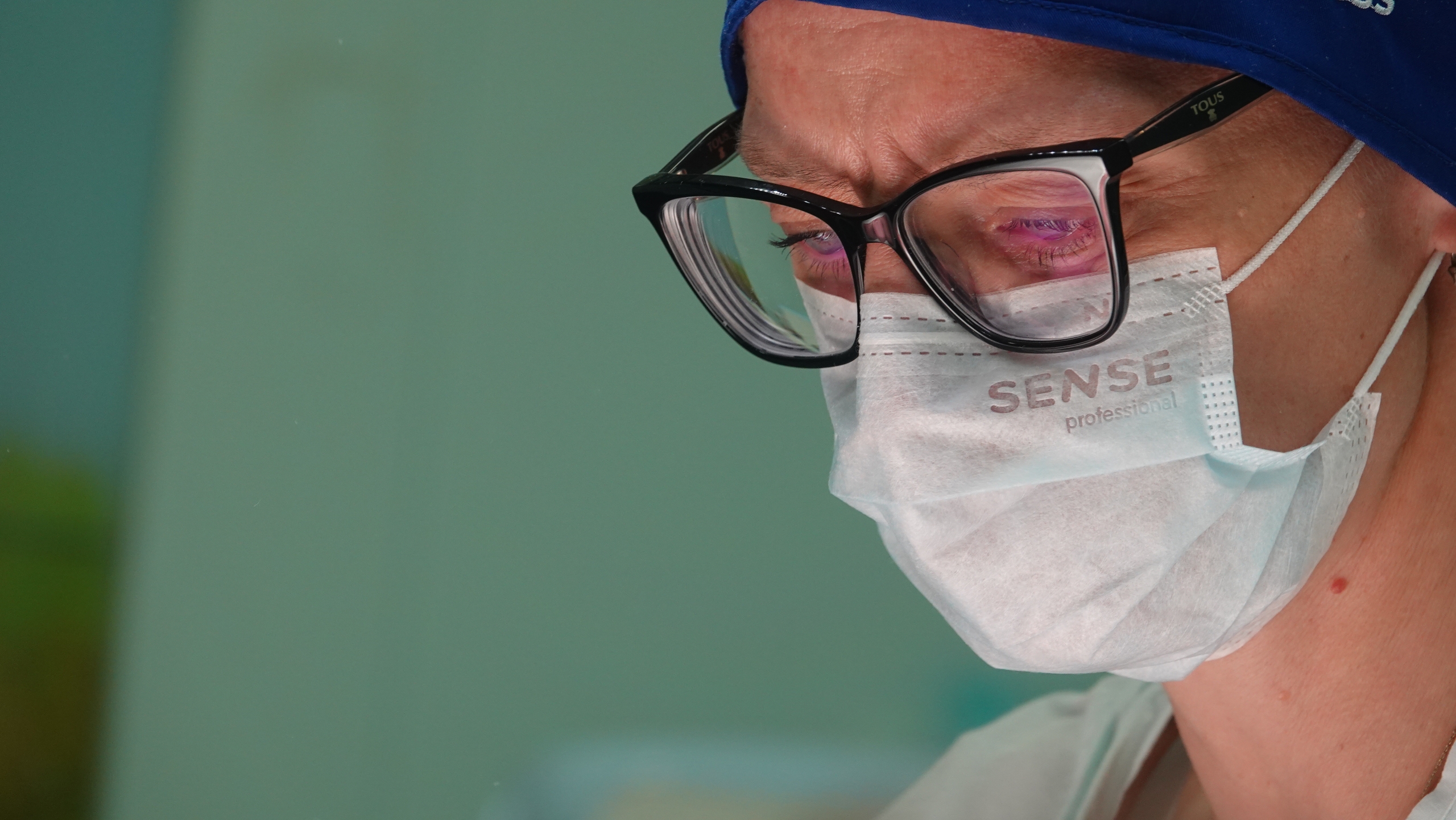
“Over the past five years, the patient has experienced an increase in AVF size and serious tissue damage in the forearm, creating a real risk of vascular access failure for hemodialysis”,- explains Natalya Fominykh, a specialist from the Department of Kidney Transplantation and Vascular Surgery in Urology. “Given all the risks, we decided first to implant a central venous catheter — i.e. to establish temporary access for programmed hemodialysis — and then to perform surgery to reconstruct the patient’s own fistula vein”.
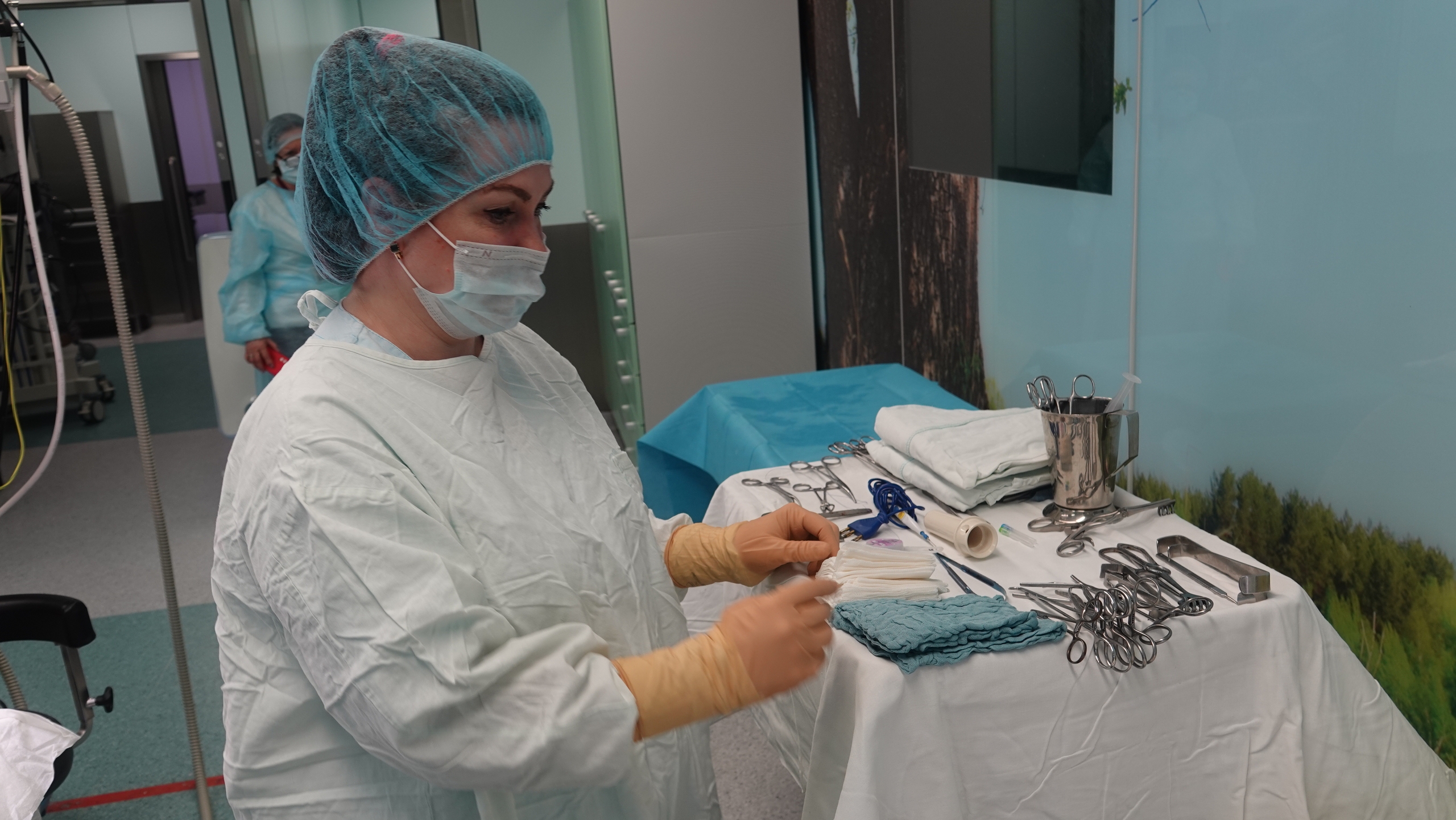
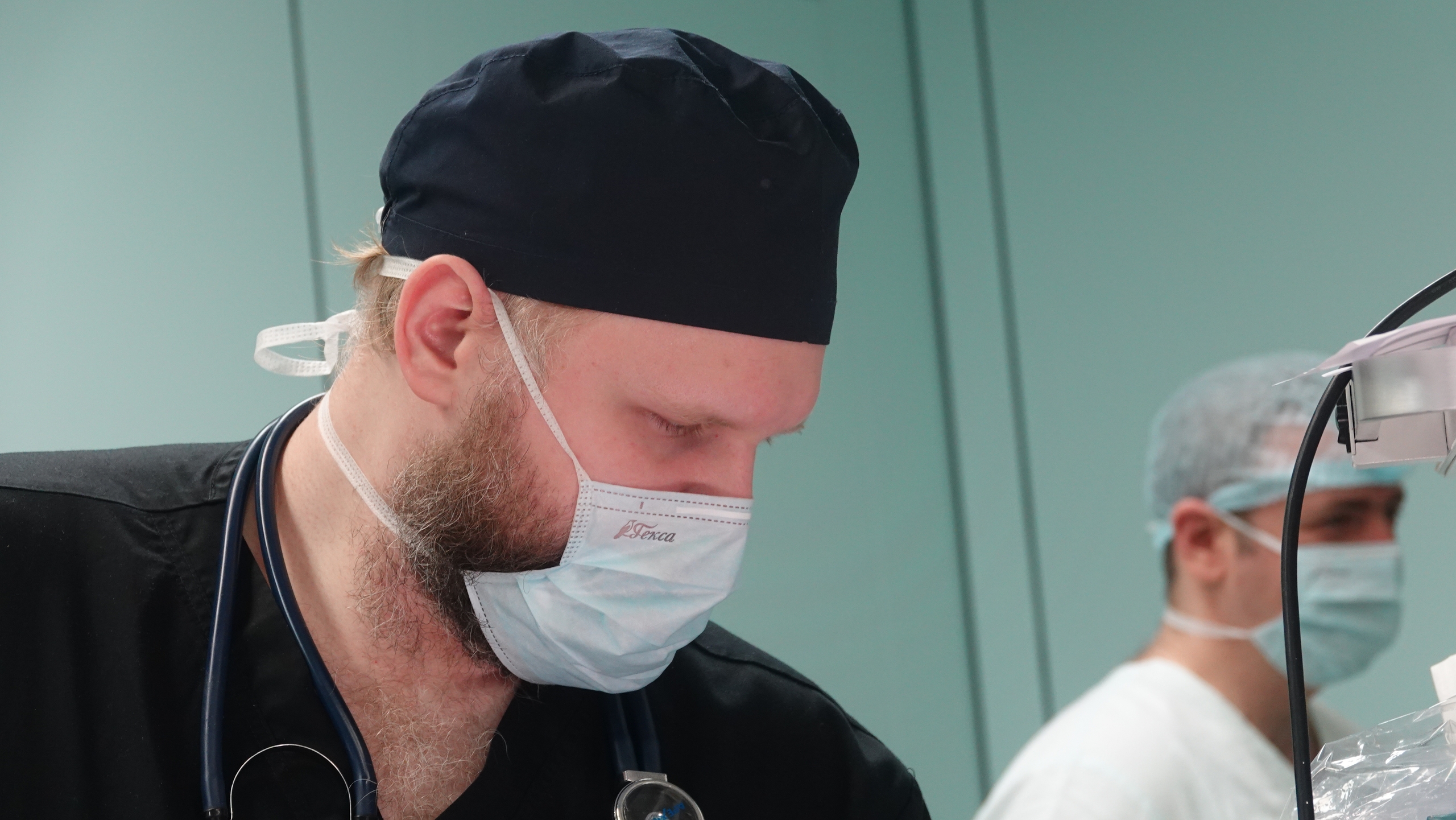
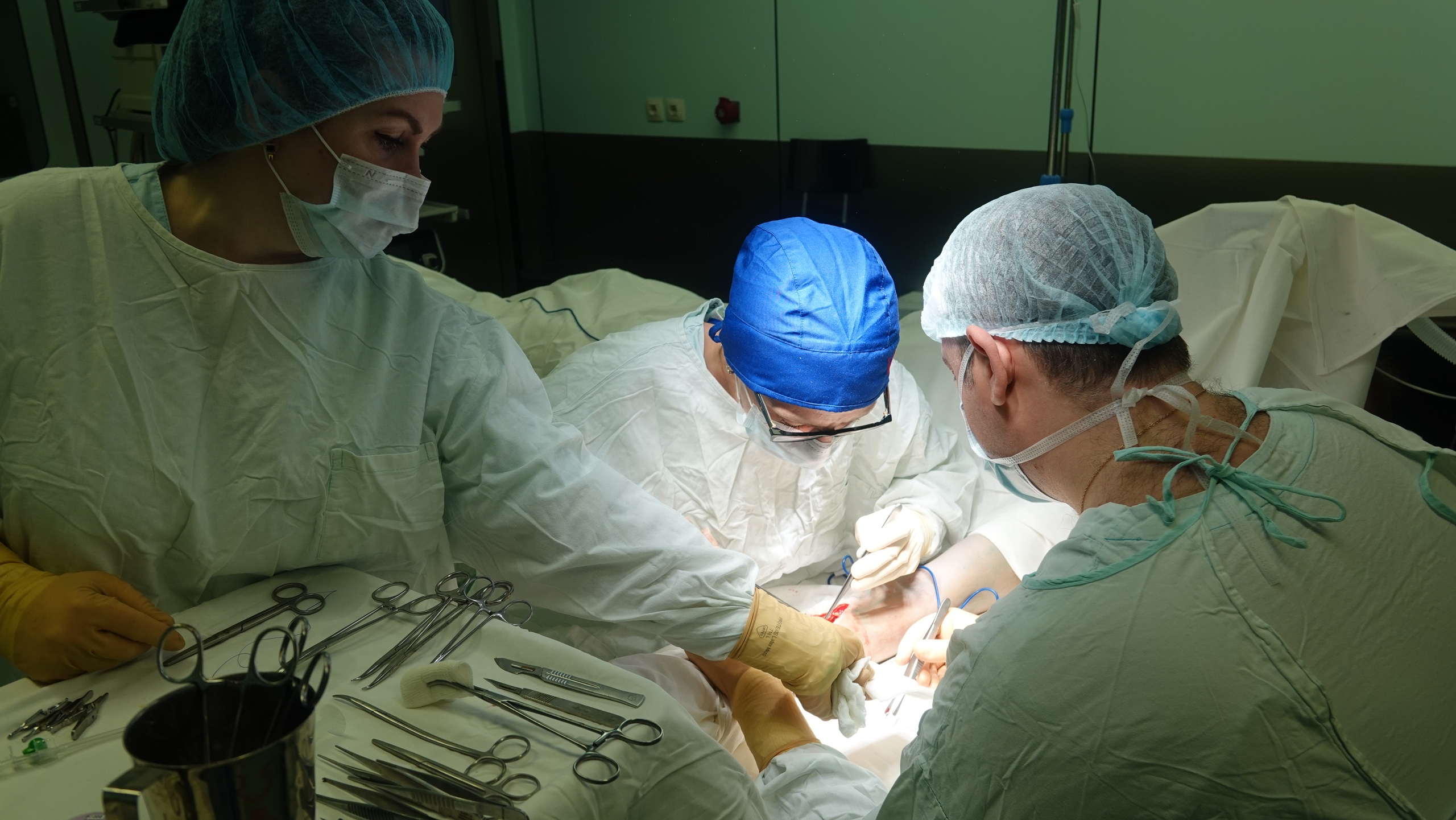
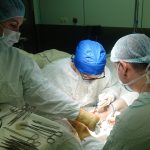
To accomplish this task, a multidisciplinary team gathered in the operating room, involving specialists from two branches of the NMRRC. Natalya Mikhailovna was joined by Nikita Vladimirovich Frantsev, a cardiovascular surgeon from the P. Hertsen MORI.
“The operation was a success”, – says Artem Artemov, Candidate of Medical Sciences and Head of the Operating Unit. “Our institute has accumulated vast and often unique experience in kidney treatment and transplantation. We benefit from strong interdisciplinary collaboration between nephrologists and vascular surgeons when creating vascular access. Finally, and crucially for optimal patient management, our institute includes an in‑house hemodialysis center — which is extremely important for the optimal routing of such patients”.