

 +7(495)150-11-22
  +7(800)250-87-00
  +7(499)110-40-67


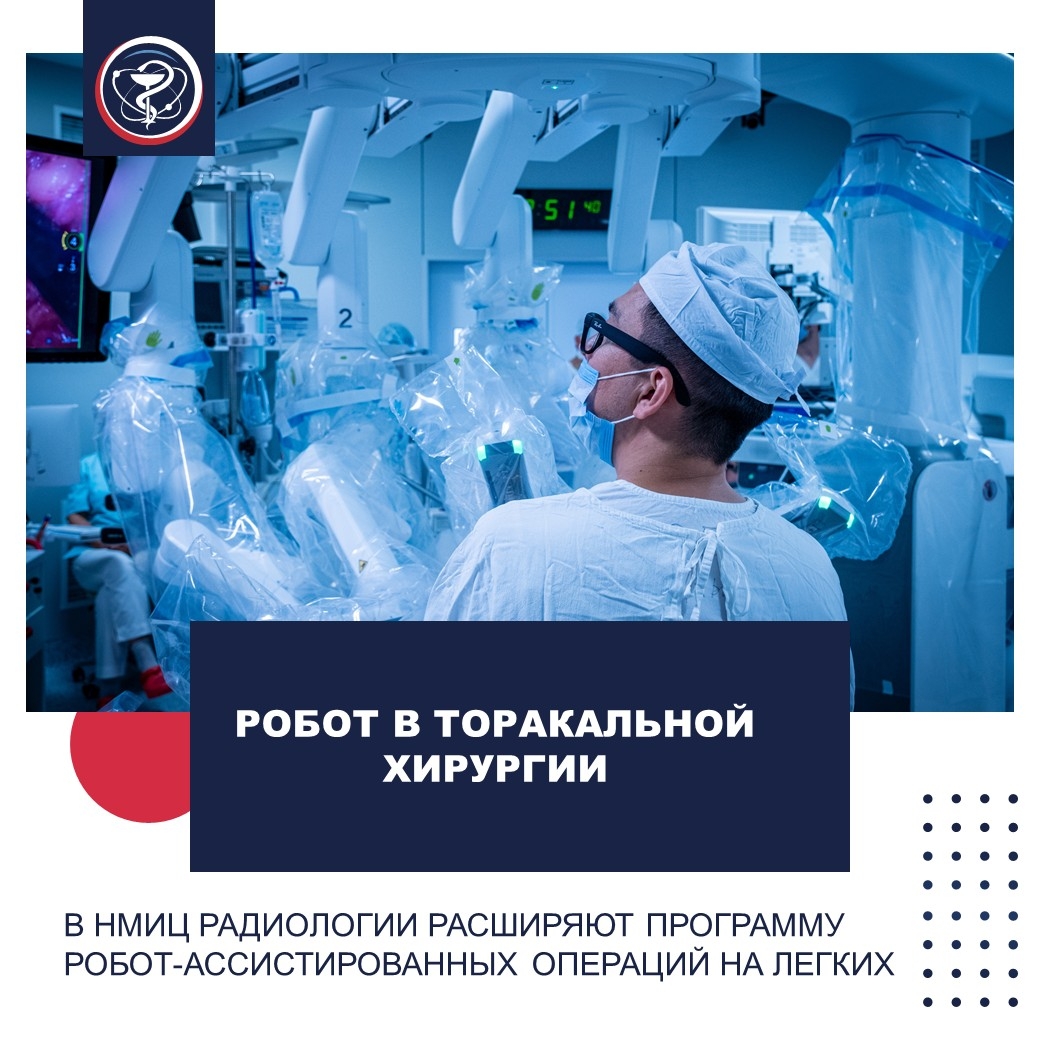
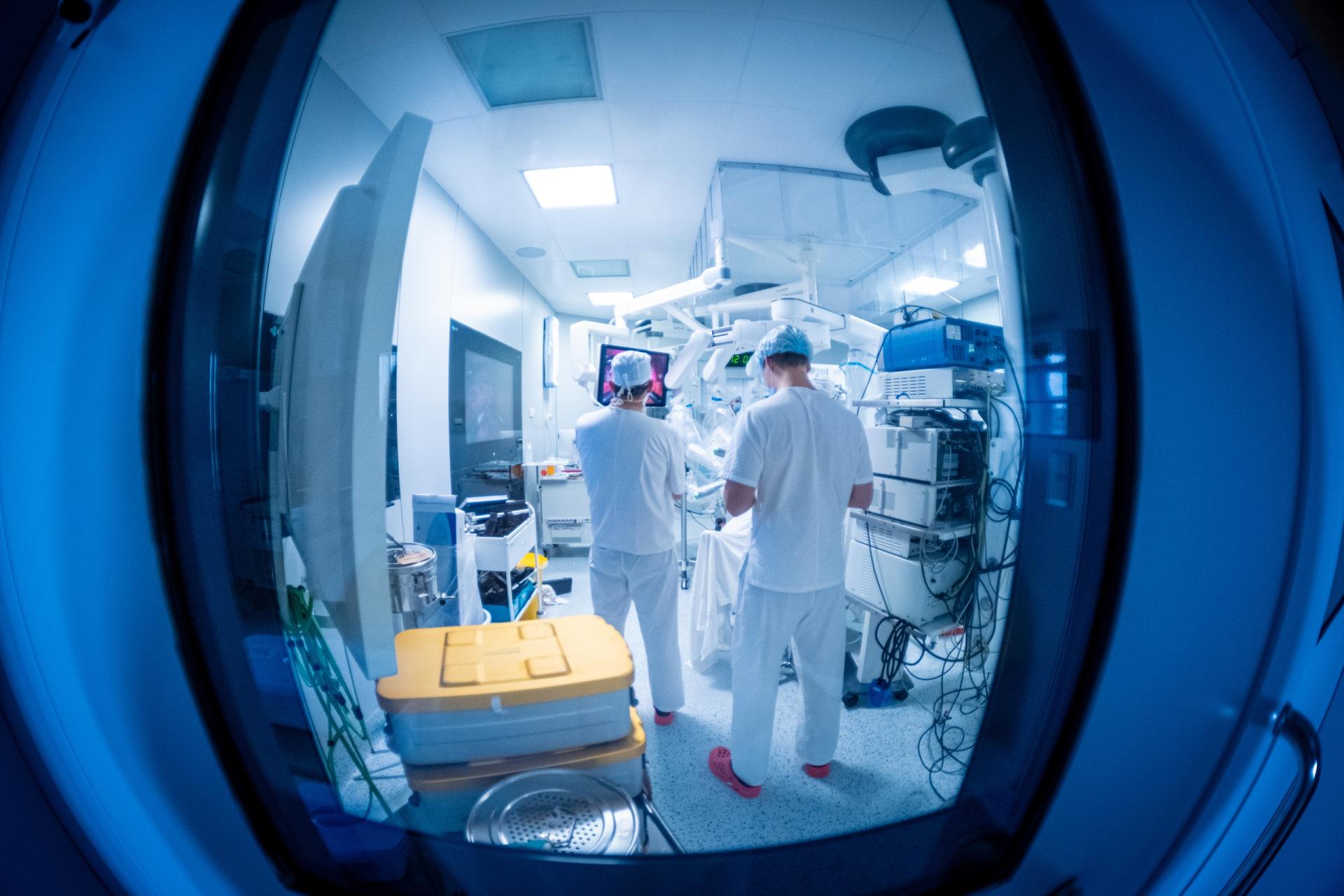




ROBOT‑ASSISTED THORACIC SURGERY: NATIONAL MEDICAL RESEARCH RADIOLOGICAL CENTRE IS EXPANDING ITS PROGRAM OF ROBOT‑ASSISTED LUNG PROCEDURES
Robot‑assisted lung interventions remain one of the most technologically challenging areas in minimally invasive thoracic surgery. At the A. Tsyb MRRC — a branch of the National Medical Research Radiological Centre of the Ministry of Health of Russian Federation such operations are gradually moving from being rare, isolated cases to becoming part of regular clinical practice.
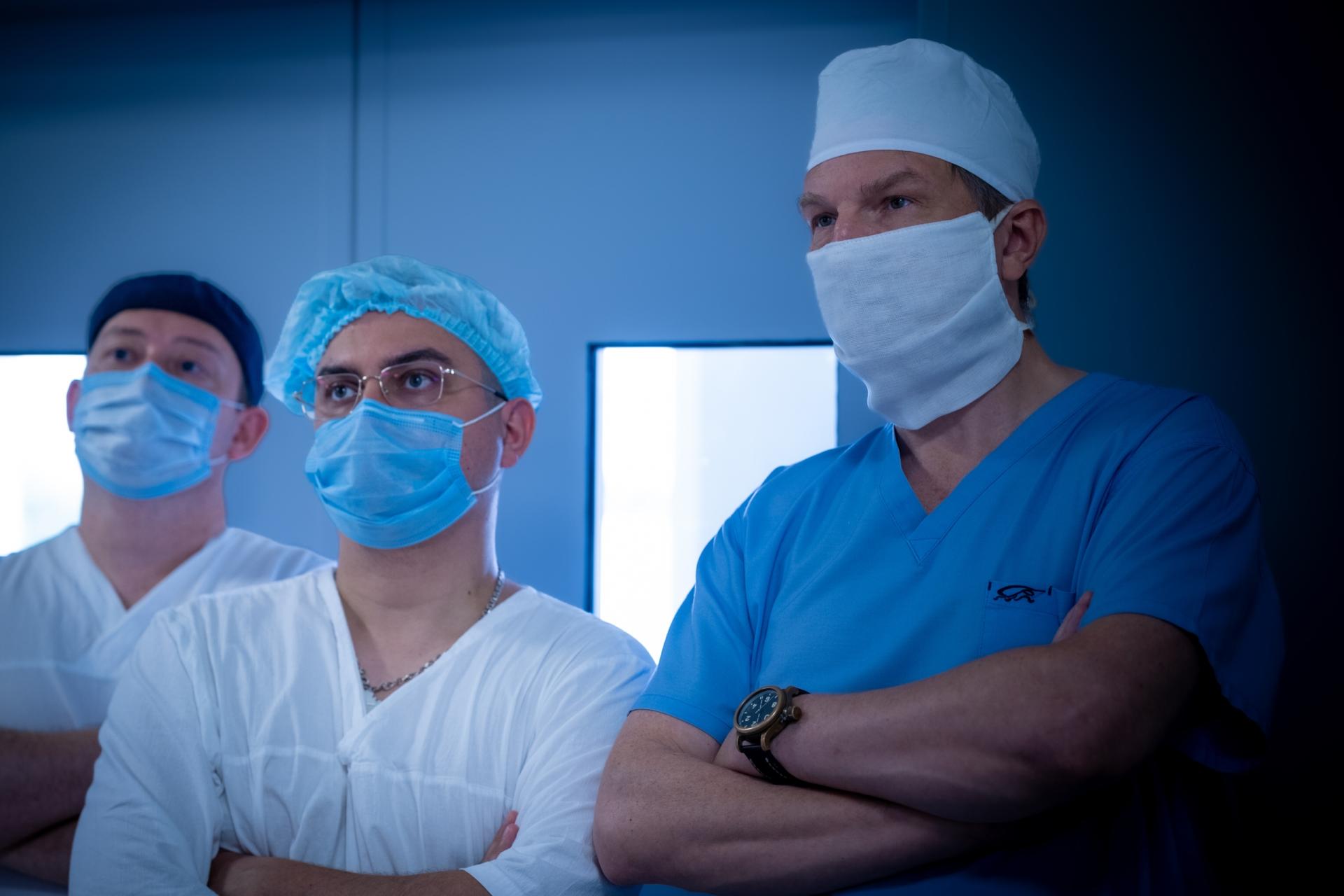
One of the patients was a woman from Luhansk who sought medical help after experiencing recurrent fever and a general decline in her well‑being. “Computed tomography revealed a large neoplasm in the lower lobe of her left lung”,- says Grigory Afonin, PhD in Medical Sciences, Head of the Thoracic Oncology Department at the A. Tsyb MRRC. “The patient was referred to our Center to receive high‑tech medical care. After a comprehensive evaluation and discussion at a medical board, we determined that the intervention could be performed using a robot‑assisted approach”.
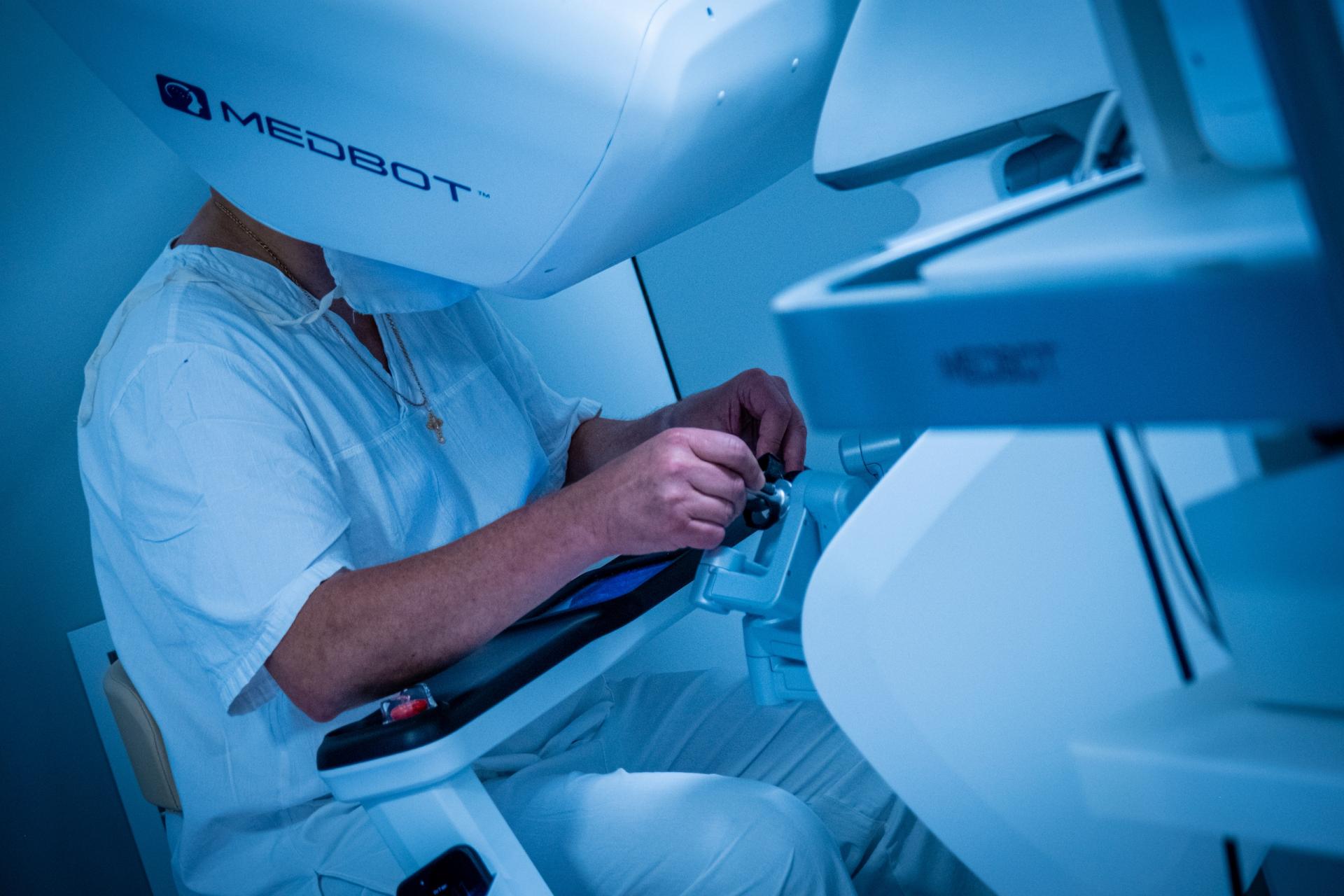
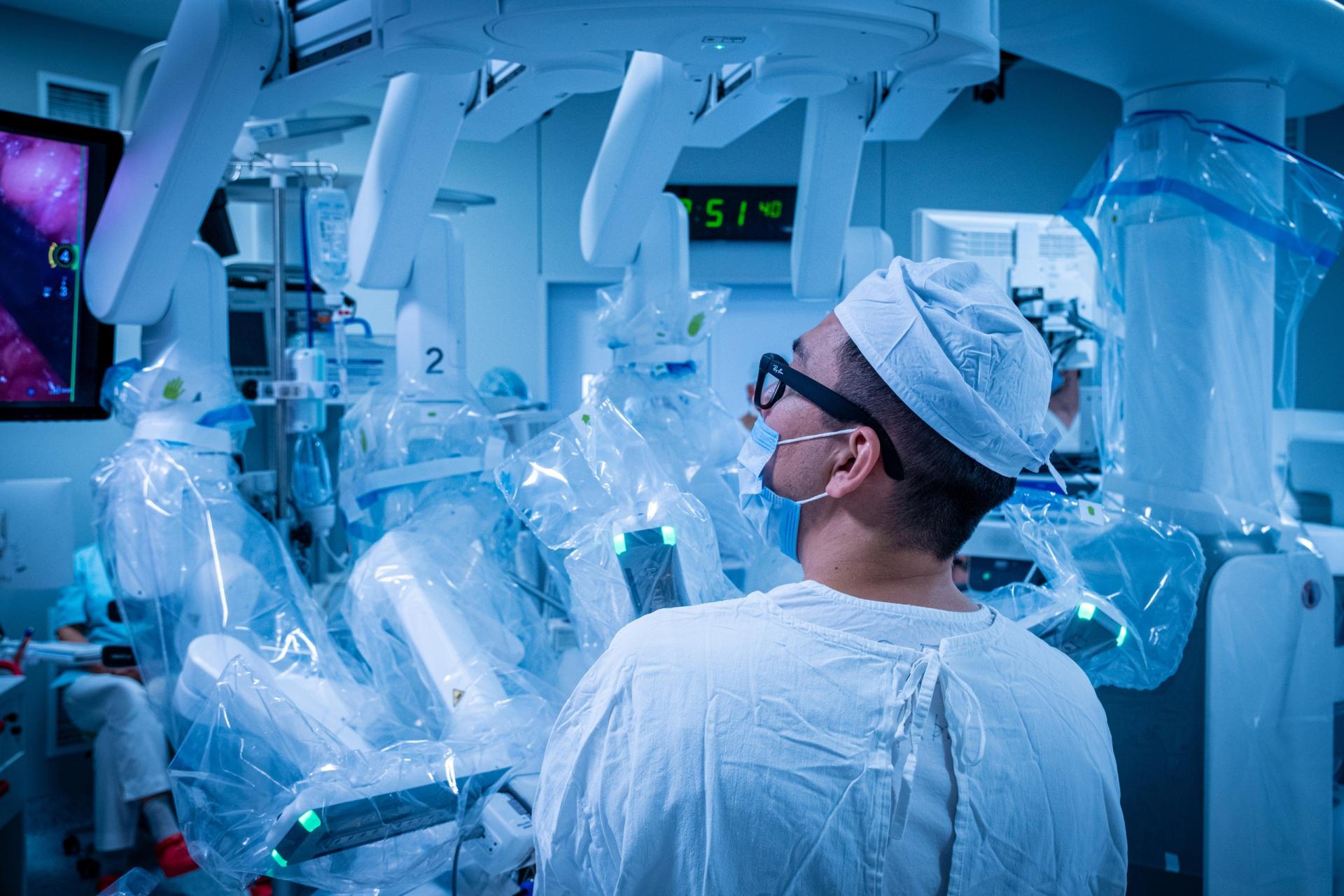
In thoracic surgery, working within the confined space of the chest cavity is particularly critical, as major blood vessels, bronchi, and other anatomically important structures are located in close proximity. The robotic system provides the surgeon with a 3D view of the surgical field with significant magnification, while the high mobility of the instruments enables precise maneuvers through small access points.
“The key advantage lies precisely in the visualization: the high‑resolution 3D camera offers a tenfold magnification of the surgical field,” emphasizes Andrey Ryabov, MD, Deputy General Director for Surgery at the NMRRC. “This allowed us to safely perform complex surgical maneuvers and operate in tight anatomical spaces. Our goal is to transform this technology from an exceptional option for a few patients into a well‑established surgical tool to be used whenever its application is truly justified”.
The operation was carried out as planned. The patient was mobilized within the first 24 hours, and after several days, she was able to return to her normal daily life. This, perhaps, is the main outcome of advancing this new technology: the highly complex robotic lung operation is gradually ceasing to be seen as something extraordinary and is becoming another option that the Center’s doctors can offer to patients when it truly benefits them.