

 +7(495)150-11-22
 +7(800)250-87-00
 +7(499)110-40-67



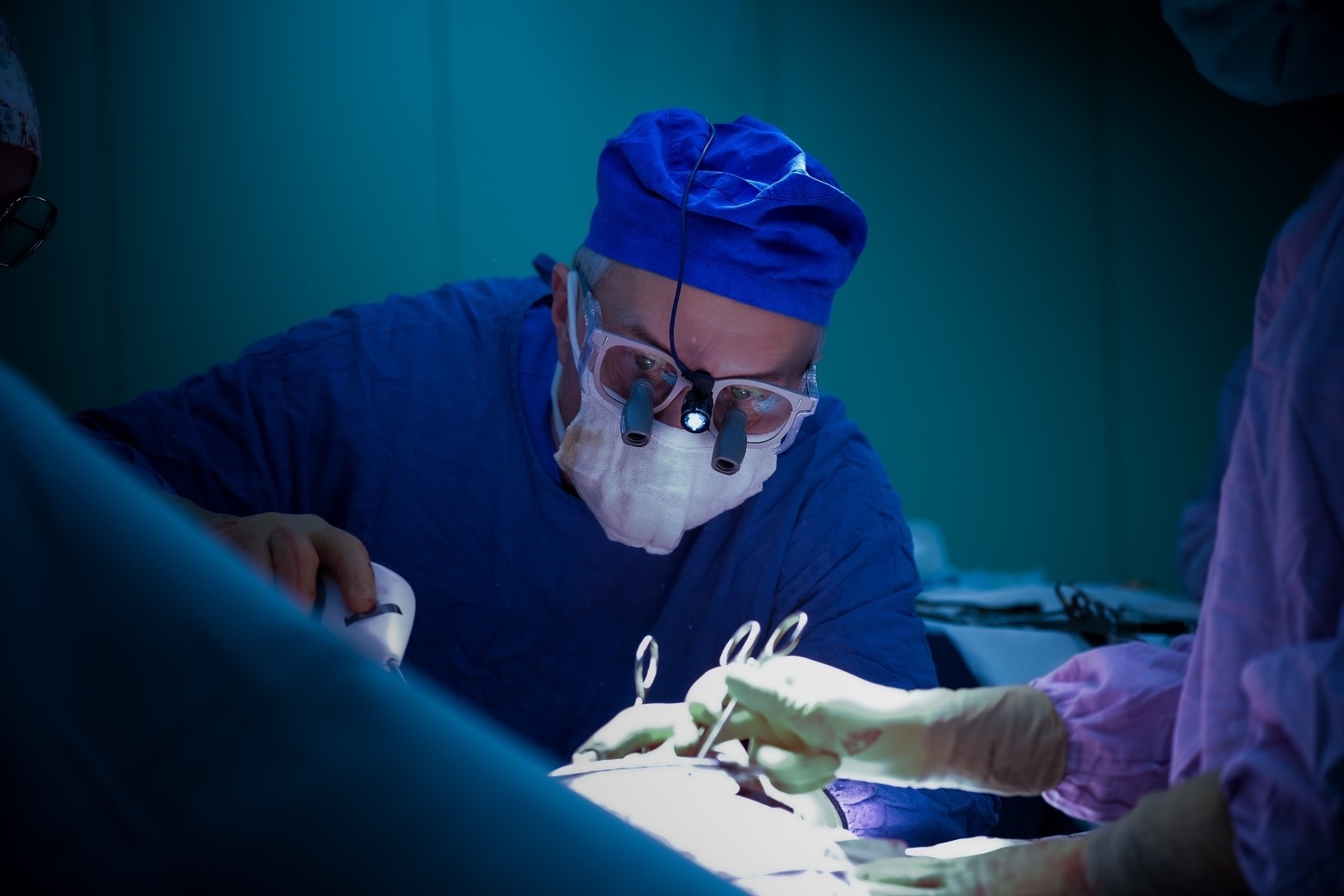
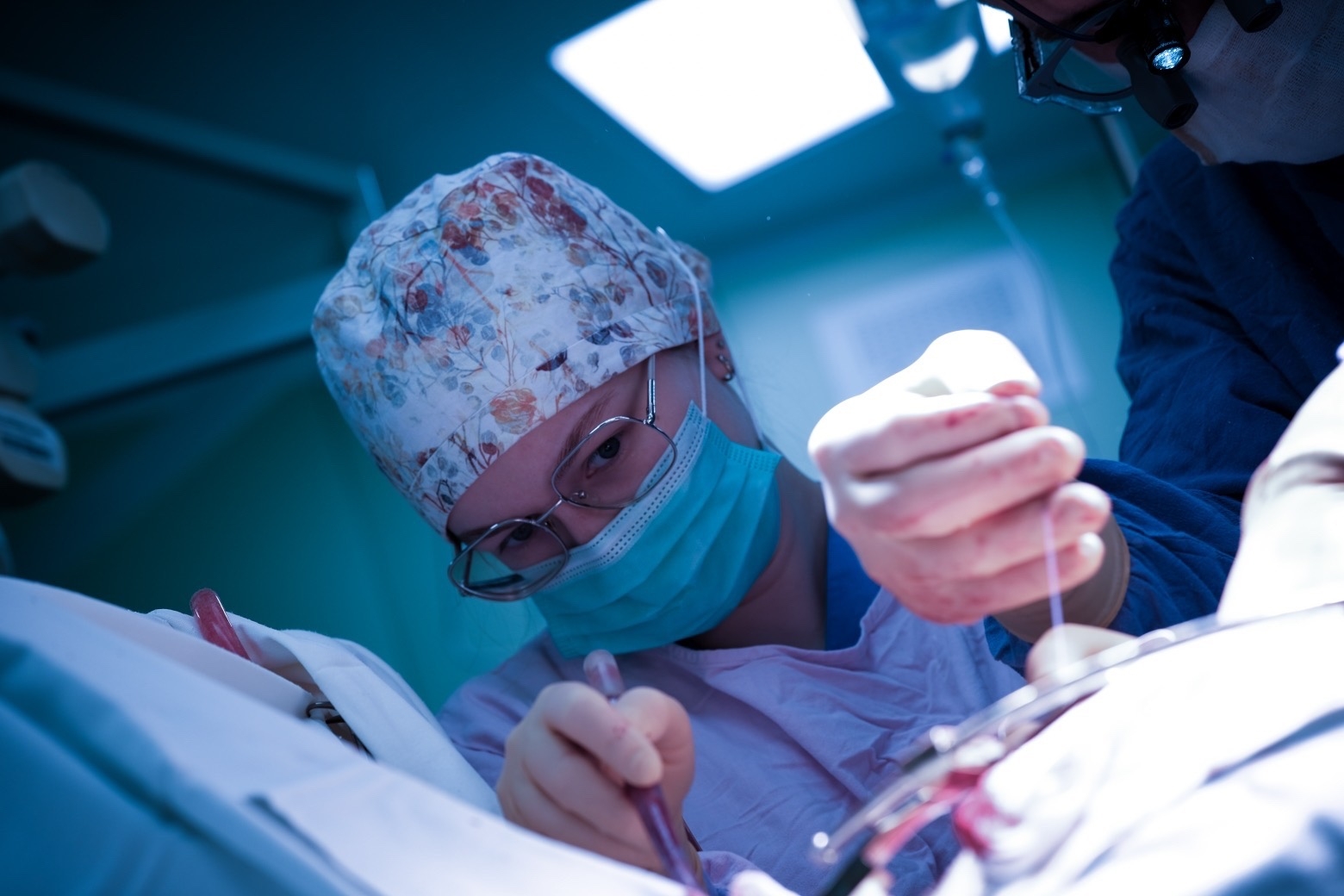
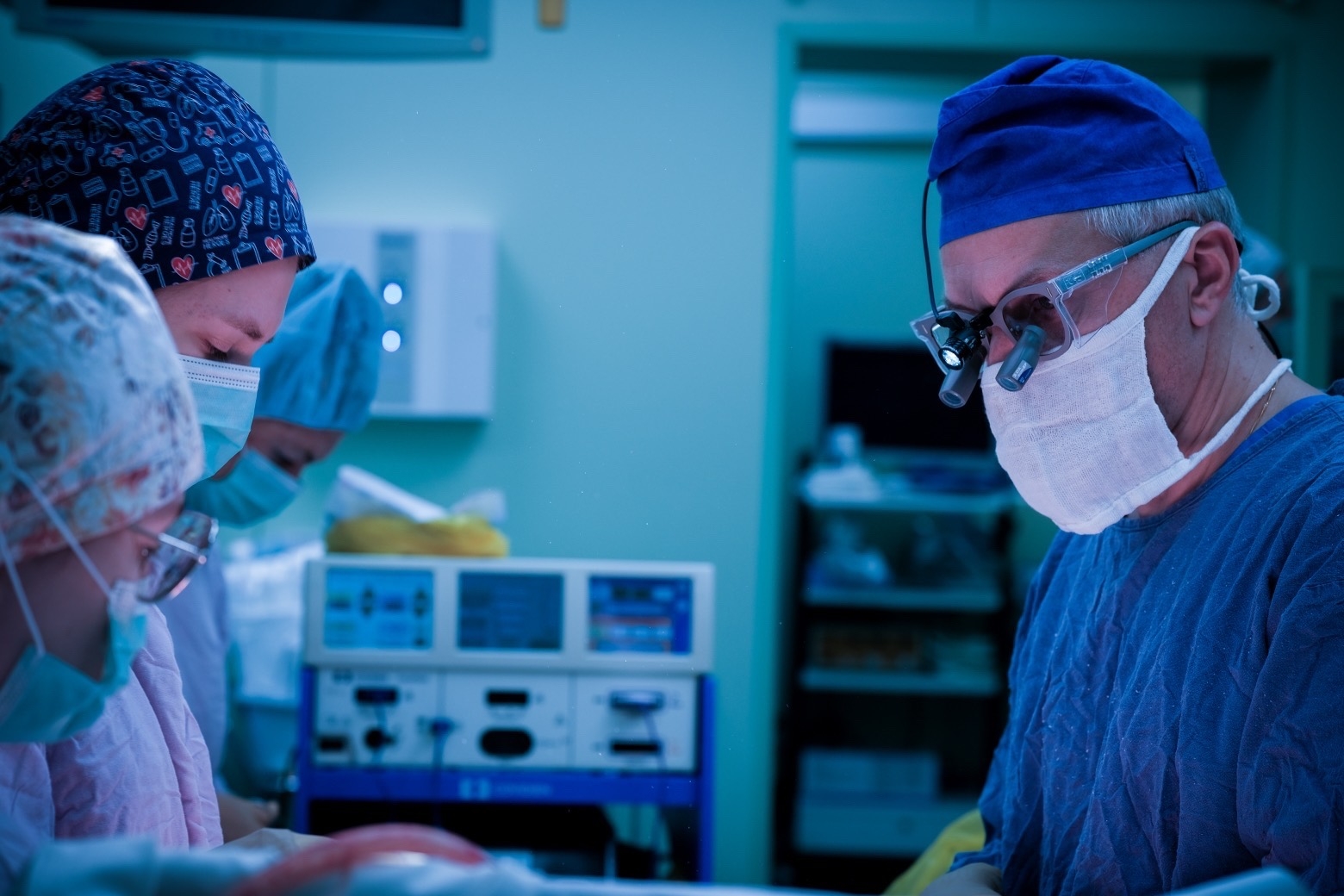



Surgeons at the National Medical Research Radiological Centre of removed a tumor that occurs in one patient per million people worldwide
Castleman’s disease, also known as angiofollicular lymph node hyperplasia, is an exceptionally rare condition. It occurs in approximately one case per million and affects the human lymphatic system.
The neoplasm is usually benign, but if left untreated, it can transform into a malignant form. The exact causes of the disease are still unknown, but scientists suspect it may be associated with the human herpesvirus.
Five years ago, during comprehensive treatment for cancer of the right breast, a fairly large neoplasm in the anterior mediastinum was detected in a 50‑year‑old patient. Using thoracoscopy (a thin tube with a video camera inserted between the ribs) and a tumor biopsy, the diagnosticians established the diagnosis: mixed‑type Castleman’s disease. The specialists recommended tumor removal, but the patient declined.
In March 2026, a follow‑up urine test revealed a high concentration of an abnormal protein, which raised the doctors’ suspicion of a developing tumor process.
A subsequent PET/CT scan detected a 6 × 4.2 cm mass in the chest, in the area between the lungs, as well as changes in the lymph nodes: one of them had nearly doubled in size, and new groups of enlarged nodes appeared near the major blood vessels. The patient presented the examination results at the P. Hertsen MORI — a branch of the National Medical Research Radiological Centre of the Ministry of Health of Russia.
“For our institute, despite the extremely rare nature of this disease, this is not the first case of treating a patient with Castleman’s tumor”, – says Oleg Pikin, MD, PhD, head of the Thoracic Surgery Department. “The urological issues that alerted the local doctors are one of the signs of its manifestation. The tumor produces certain substances that disrupt the renal barrier, as a result of which the abnormal protein from the plasma passes into the urine. We performed a detailed morphological analysis and then proceeded with the only feasible treatment option in this case — surgical intervention”.
Through an incision in the center of the chest, the surgeons removed the tumor and then restored the strength of the chest wall using special fasteners. Over time, these will integrate into the muscles of the chest wall and will be virtually imperceptible.