

 +7(495)150-11-22
  +7(800)250-87-00
  +7(499)110-40-67


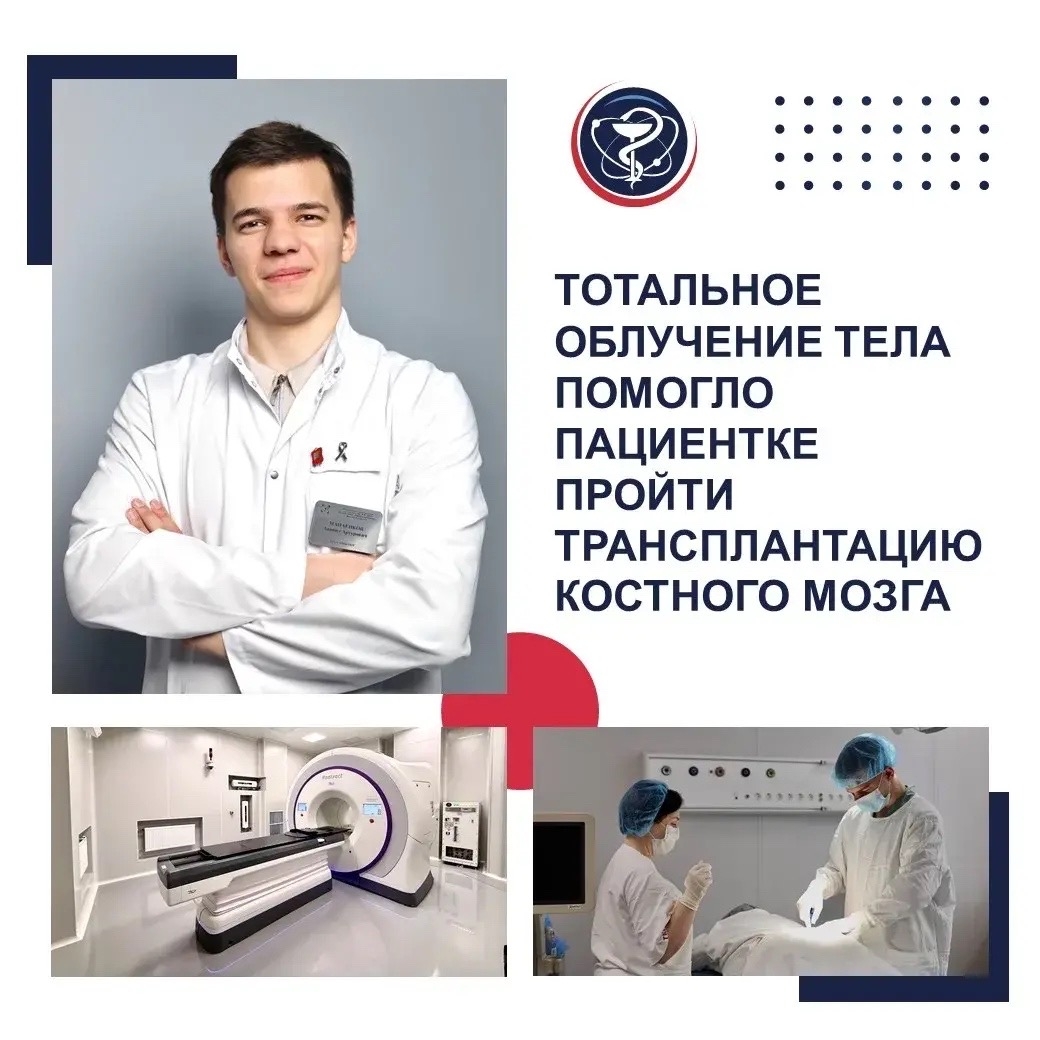
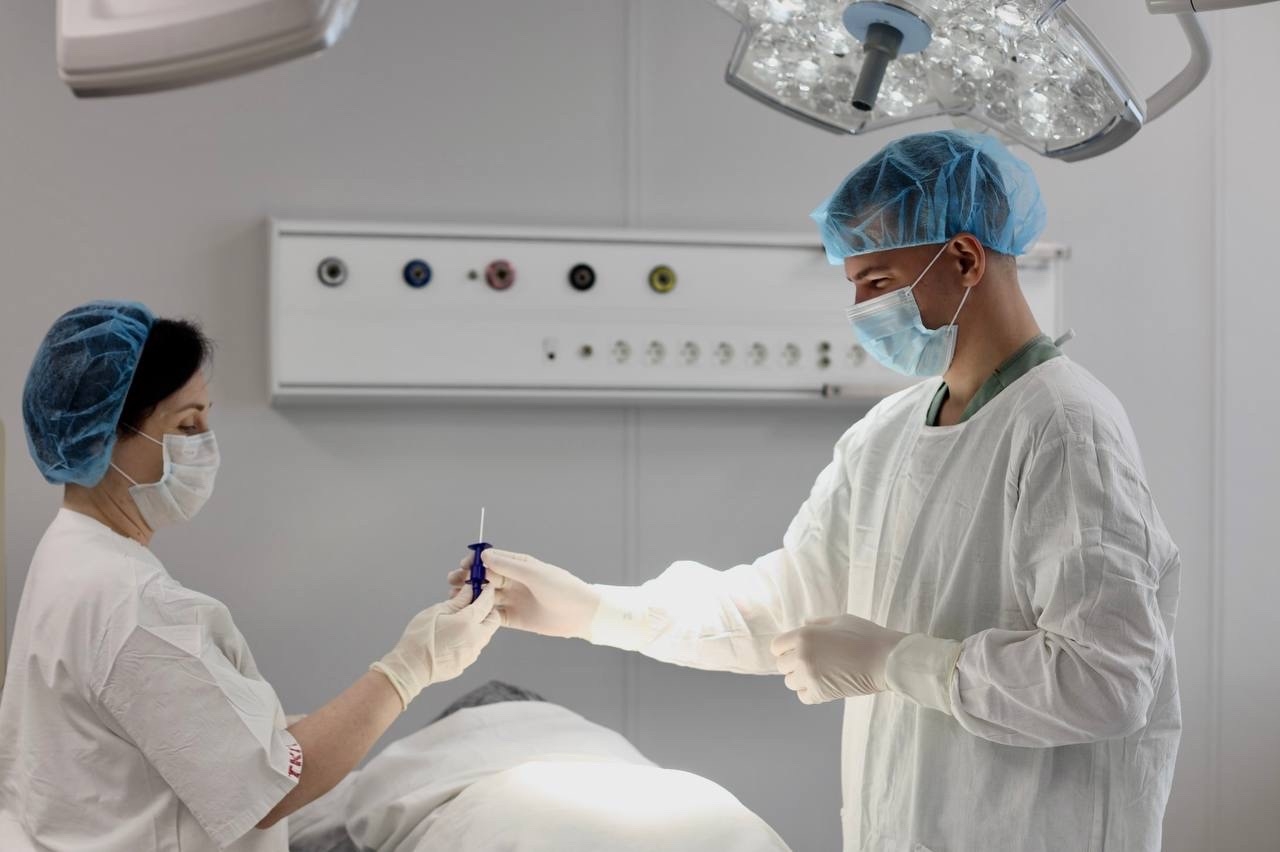

TOTAL BODY IRRADIATION HELPED PATIENT UNDERGO BONE MARROW TRANSPLANTATION
A little less than a year ago, 55‑year‑old Rimma started feeling pain in her left shoulder area. At first, the woman did not pay much attention to it, attributing the symptoms to ordinary muscle soreness after a workout or the aftermath of a bruise. However, when she noticed slight swelling some time later, she immediately sought help from specialists at the National Medical Research Radiological Centre of the Ministry of Health of the Russian Federation.
An MRI scan revealed a 10‑centimetre neoplasm affecting all bone structures.
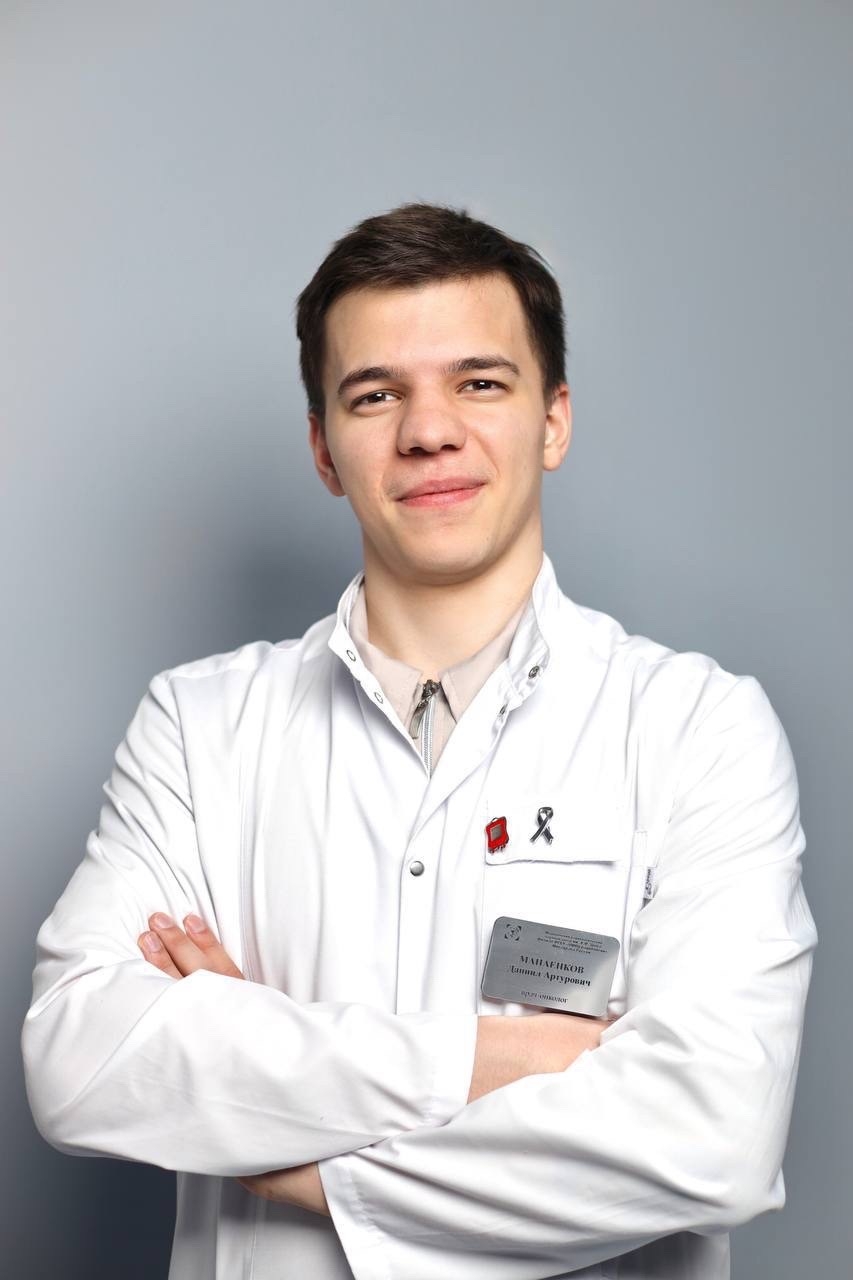
«The results of an extended examination showed that the patient had a rare and aggressive form of blood tumor — myeloid sarcoma, an extramedullary manifestation of acute leukemia», – says Daniil Manaenkov, an oncologist at the Bone Marrow Transplantation Department of the A. Tsyb Medical Radiological Research Centre. «By the time she sought help, the tumor process had already spread beyond the bone marrow, which required the most intensive — yet precisely calibrated — approach to treatment».
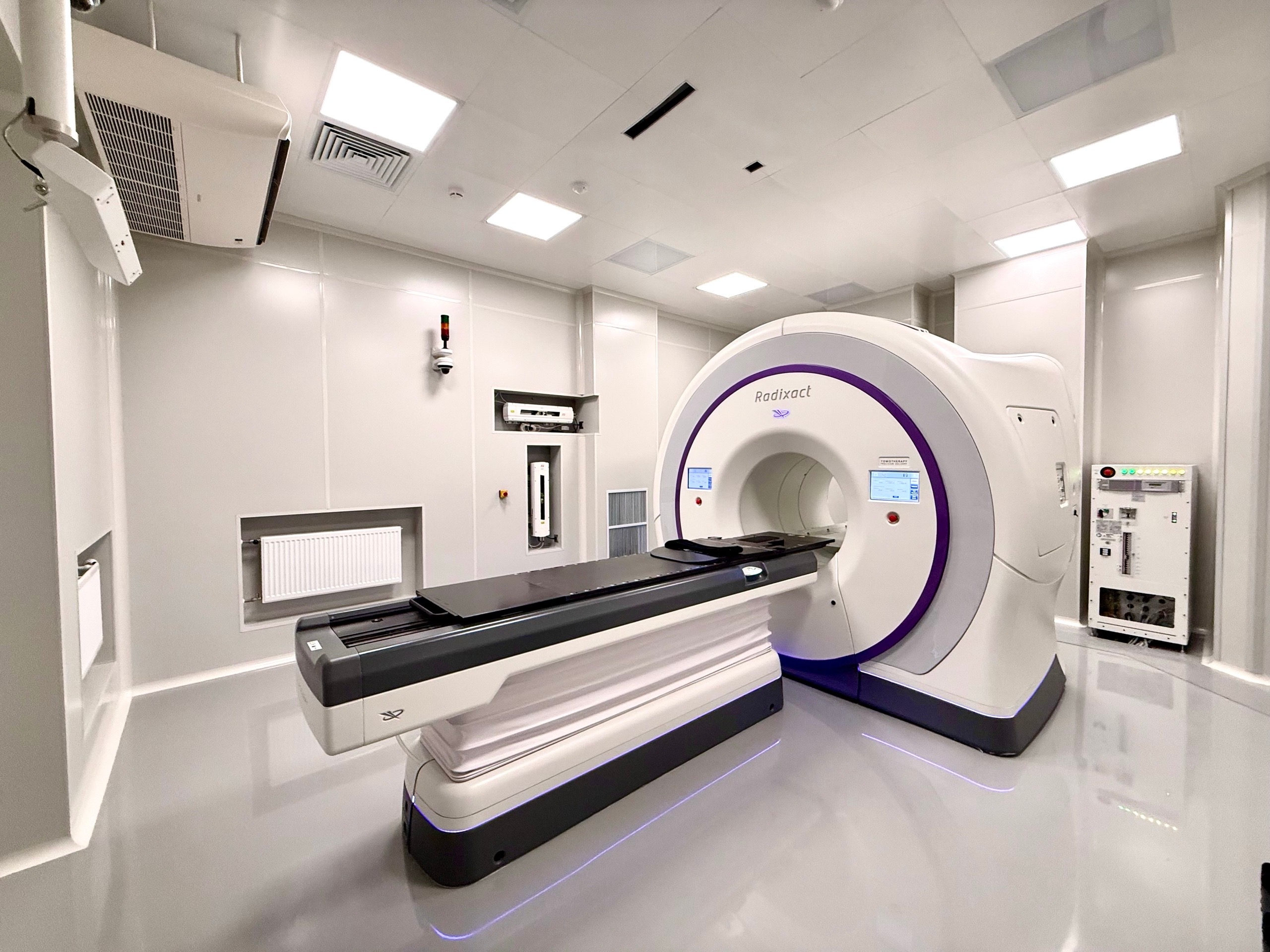
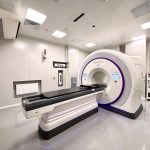
The patient was prescribed an individual treatment plan that included several rounds of high‑dose chemotherapy, as well as tomotherapy prior to bone marrow transplantation. This unique technology became available to Russian citizens under the state guarantee system at the NMRRC in February 2026.
«Tomotherapy was one of the most important stages in preparing for bone marrow transplantation»,- emphasized Andrey Kaprin, General Director of the NMRRC of the Ministry of Health of the Russian Federation and Academician of the Russian Academy of Sciences. «Using this method allows us to deliver the radiation dose with maximum precision to a large treatment volume — as in Rimma’s case — while simultaneously reducing the load on critical organs and tissues».
After the treatment, doctors achieved remission, which made it possible to proceed to the next stage: allogeneic hematopoietic stem cell transplantation.
Today, the patient has already undergone the transplantation, and doctors are now monitoring the engraftment of donor cells. Specialists report positive dynamics and good prospects for further recovery.