

 +7(495)150-11-22
  +7(800)250-87-00
  +7(499)110-40-67


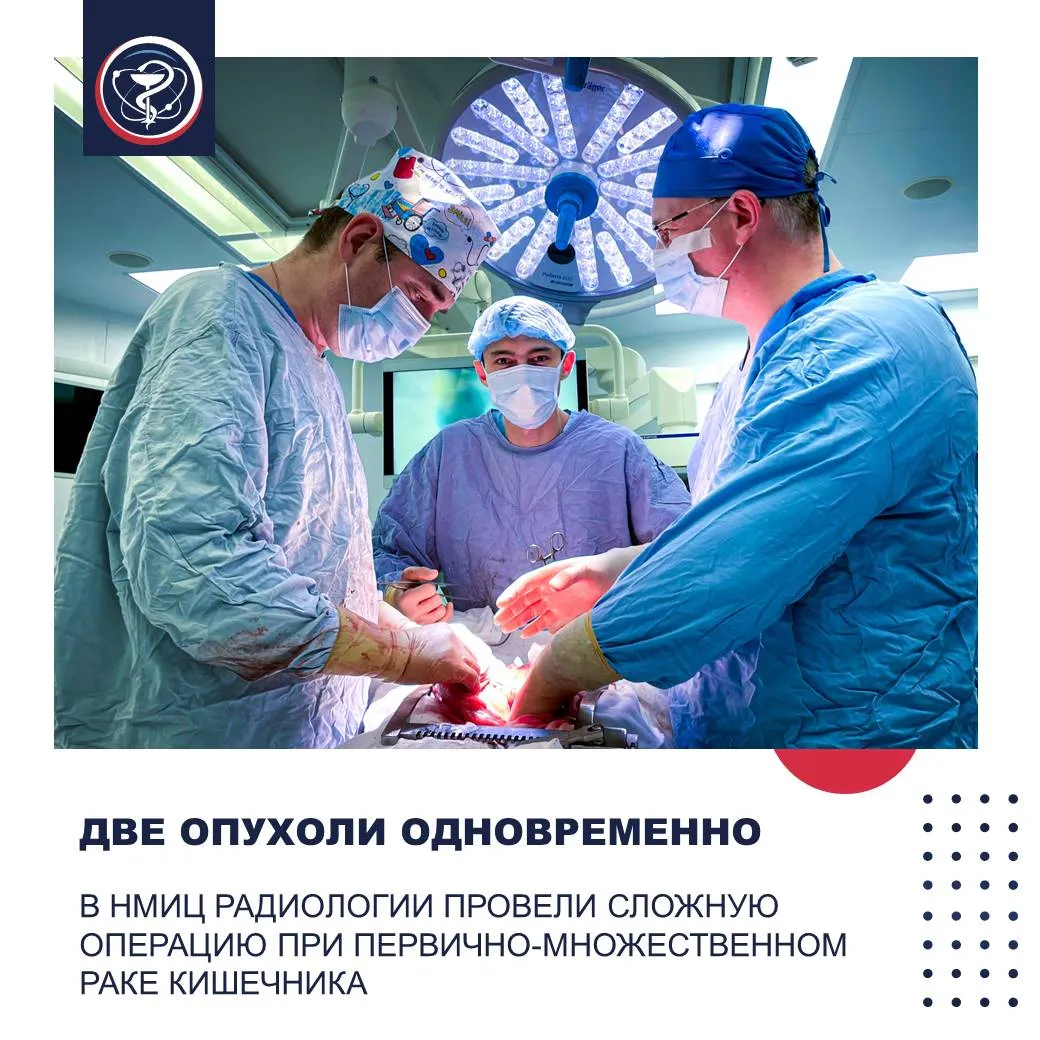
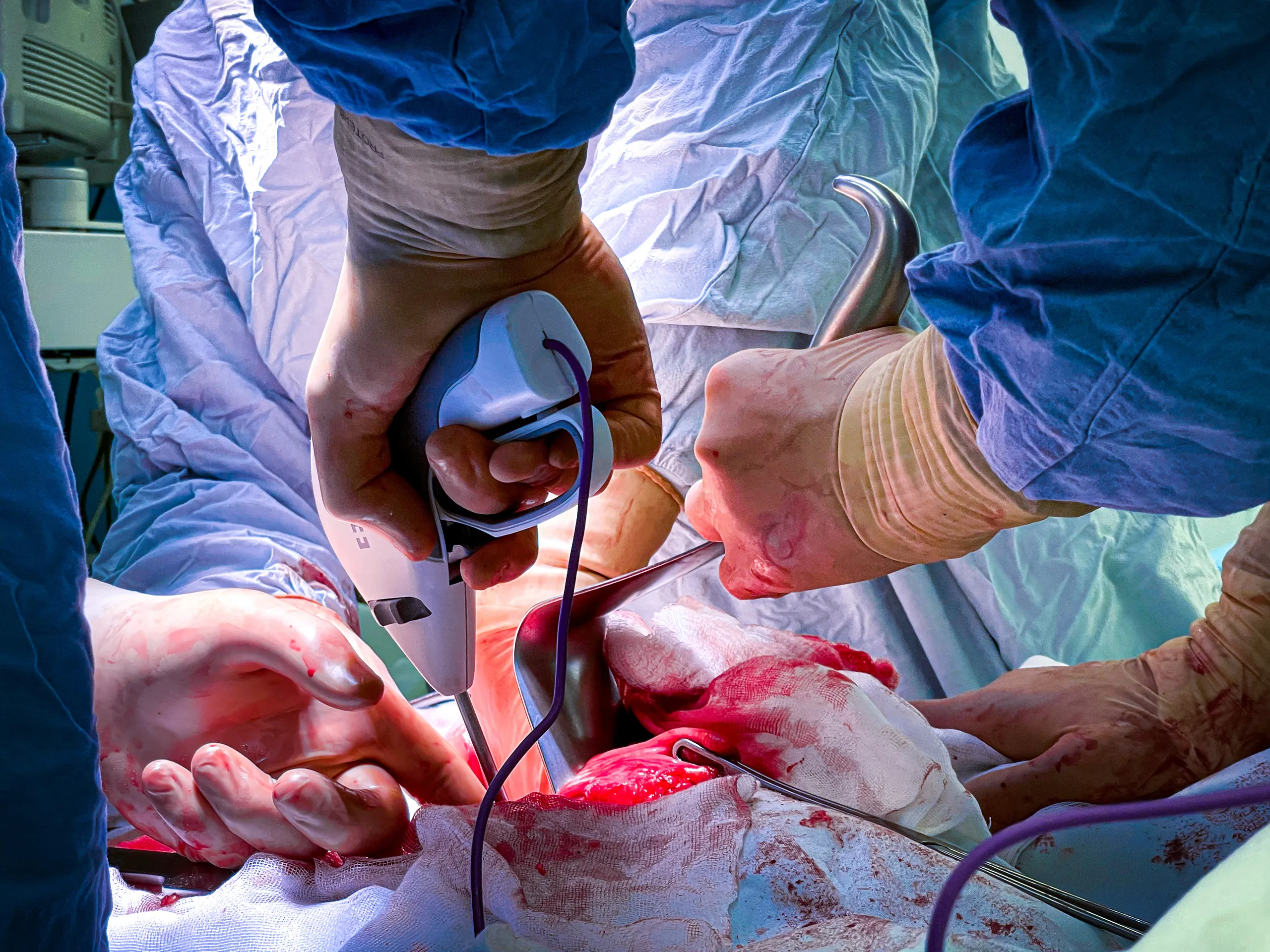
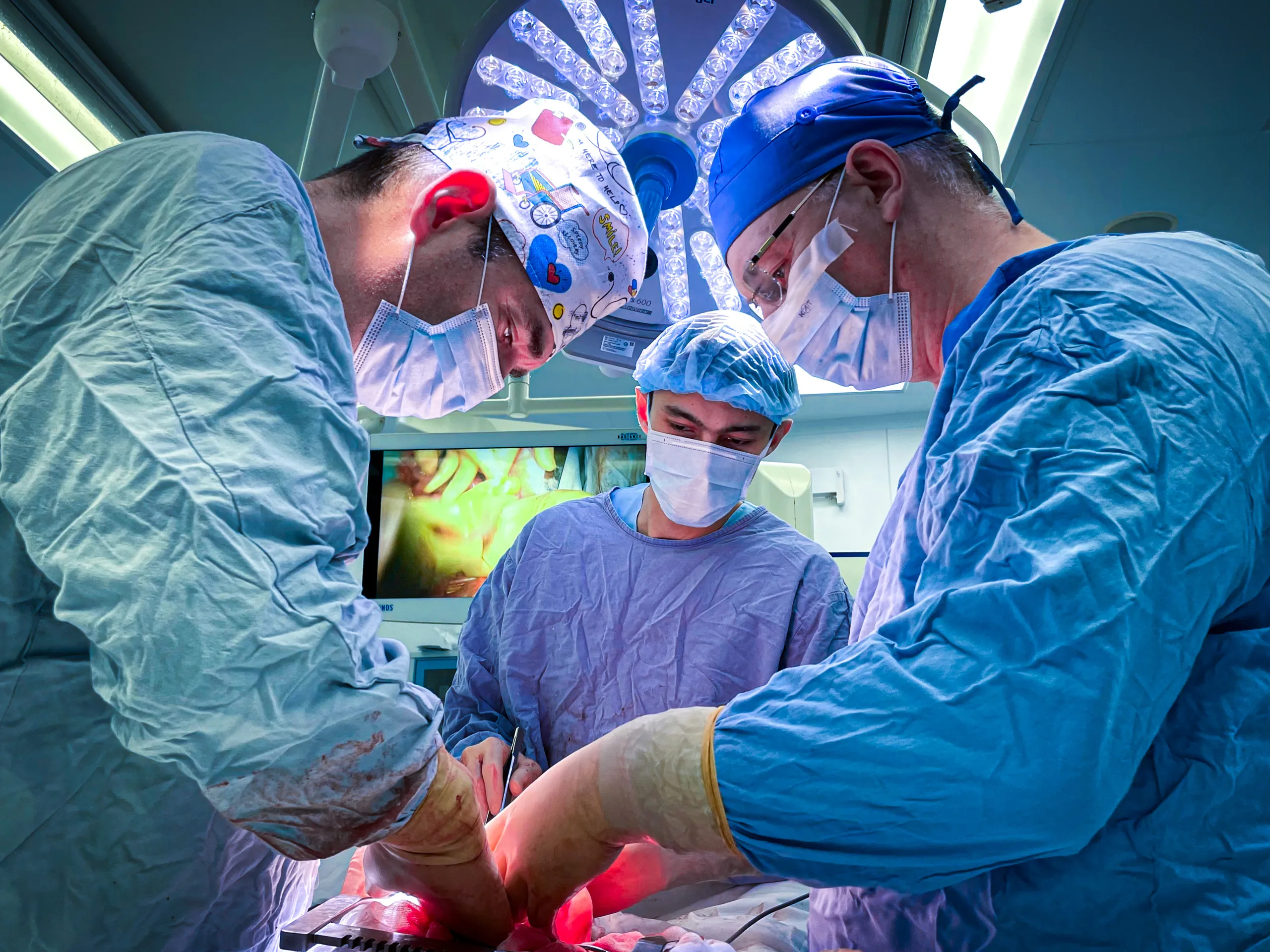
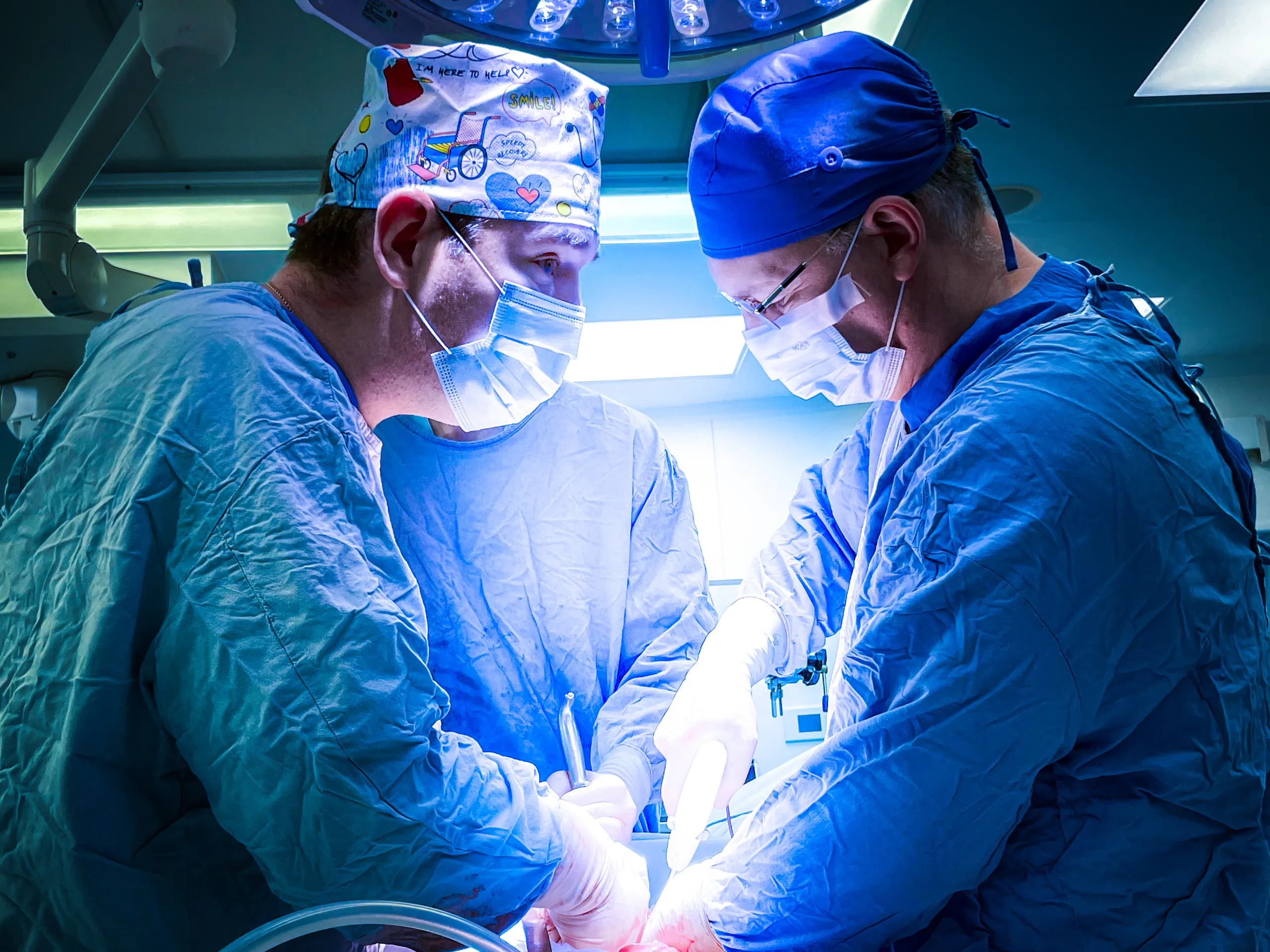


TWO TUMOURS AT ONCE: A COMPLEX OPERATION FOR PRIMARY MULTIPLE COLON CANCER CARRIED OUT AT THE NMIC OF RADIOLOGY
According to various estimates, primary multiple colorectal cancer is detected in 4–12 % of patients. These are cases where several tumors simultaneously develop in the colon. The risk is higher in the presence of hereditary predisposition — polyposis, familial forms of cancer, and chronic inflammatory bowel diseases. This was exactly the situation encountered by oncological surgeons at the P. Hertsen Moscow Oncology Research Institute (MORI) – branch of the National Medical Research Radiological Centre (NMRRC) of the Ministry of Health of the Russian Federation. A 68‑year‑old patient from the Moscow region was diagnosed with two neoplasms at once — in the rectum and sigmoid colon.
“Initially, the patient complained of frequent constipation and abdominal pain. The examination revealed not only a malignant process, but also its development in several parts of the intestine simultaneously. At the same time, the rectal tumor had already reached a considerable size, whereas the disease in the sigmoid colon was detected at an earlier stage”,- says Nikolay Chizhikov, MD, surgeon at the Abdominal Department of the P. Hertsen MORI.
Treatment strategy in such situations always requires a balance: on the one hand, radicality; on the other, preserving the patient’s quality of life. The Centre’s team decided to perform a one‑stage operation: resection of the rectum and sigmoid colon. It was possible to carry out a low anterior resection — that is, to preserve the sphincter mechanism, thus avoiding a disabling operation.
“In such cases, we always proceed from oncological principles — to remove the tumor as radically as possible. But if there is an opportunity to preserve the patient’s usual quality of life, we fight for it,” notes Vladimir Trifanov, MD, DSc, Head of the Abdominal Surgery Centre.
The operation lasted about three hours. In the early postoperative period, a temporary ileostomy was formed for the patient — a standard measure to protect the area of the surgical anastomosis. Later, it will be closed, and the patient will be able to return to normal life.
Now the man is recovering; next come the results of the morphological report, which will determine the decision on the need for additional therapy.
“It is important to understand that colorectal cancer is one of the few types of oncological diseases that can be prevented in some cases. Regular examinations make it possible to detect both precancerous changes and early forms of tumors, when treatment is less traumatic and most effective. This is especially relevant for patients with a family history of the disease; such people need systematic follow‑up”, – summarizes Nikolay Borisovich.