

 +7(495)150-11-22
  +7(800)250-87-00
  +7(499)110-40-67


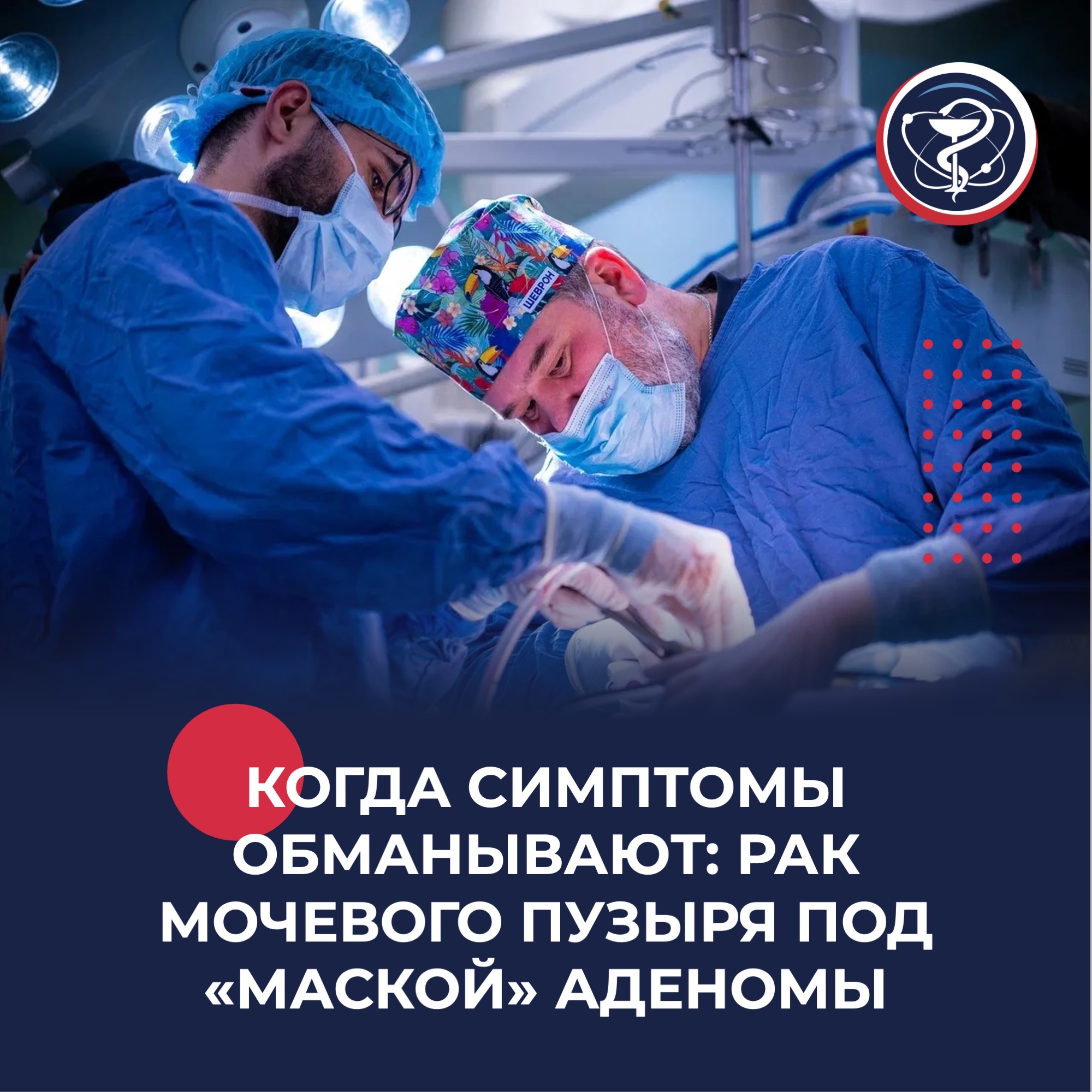












WHEN SYMPTOMS DECEIVE: BLADDER CANCER DISGUISED AS AN ADENOMA
Sometimes a disease does not develop as described in textbooks, and in such cases only the experience of a major federal center can identify it. This was the case with a 69-year-old patient who presented with symptoms typical of benign prostatic hyperplasia. In his place of residence, he underwent a standard procedure expected to confirm a benign condition. However, histology revealed otherwise — signs of urothelial cancer. Meanwhile, pelvic MRI did not detect a bladder tumor, which made the clinical picture even more confusing. At the P. Hertsen Moscow Oncology Research Institute — branch of the National Medical Research Radiological Centre of the Ministry of Health of Russian Federation, specialists reviewed the histological slides and conducted additional examinations. The result was critical: a poorly differentiated invasive cancer penetrating the muscular wall of the bladder was found.
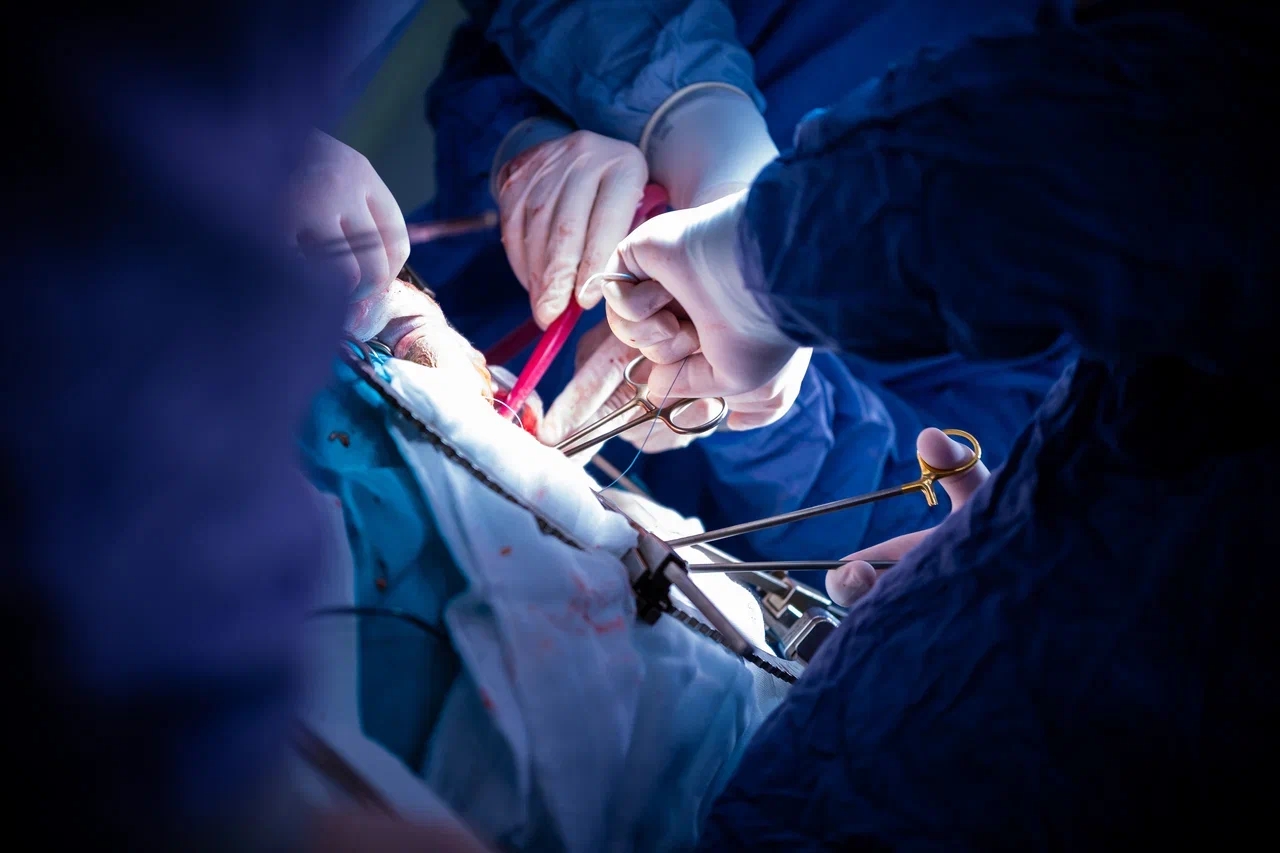
Rustam Faizulloevich Kholbobozoda, an oncological urologist in the department and the patient’s attending physician, says: «The patient initially came to us with symptoms of a benign process that was obstructing urine flow. However, morphology revealed a malignant and aggressive disease. In such cases, radical treatment cannot be delayed». After courses of systemic therapy, stability was achieved, and the medical board decided on the surgical stage. The patient underwent radical surgery — removal of the bladder and pelvic lymph nodes with the formation of a new reservoir from a segment of the small intestine.
Nikolai Vladimirovich Vorobyov, PhD, Deputy Director of the Institute of Surgery, explains: «Invasive bladder cancer requires a radical approach. If the tumor has invaded the muscular layer, organ-preserving procedures no longer provide disease control. The only chance is complete removal of the affected organ with reconstruction». Despite the complexity of the procedure, the patient has already been discharged and is under dynamic monitoring. No metastases were found based on the operation and diagnostic results. «This case is a reminder that cancer does not always present obviously. Sometimes the disease remains hidden behind «harmless» symptoms for years. It is precisely the accurate morphology, expert review of studies, and the experience of a multidisciplinary team that allow for an accurate diagnosis and radical treatment», – concludes Nikolai Vladimirovich.