

 +7(495)150-11-22
  +7(800)250-87-00
  +7(499)110-40-67



X-RAY SURGEONS BRING A TRANSPLANT BACK TO LIFE
Despite the rapid progress in transplantology, transplanted organs do not always take easily. Often, the problem is related to the narrowing or blockage of the vessels that should supply the organ with blood. At the N. Lopatkin Scientific Research Institute of Urology and Interventional Radiology — a branch of the National Medical Research Radiological Centre of the Ministry of Health of the Russian Federation — they have successfully implemented surgery to restore blood supply to the artery of a transplanted kidney, an important step for preserving its function and the patient’s life.
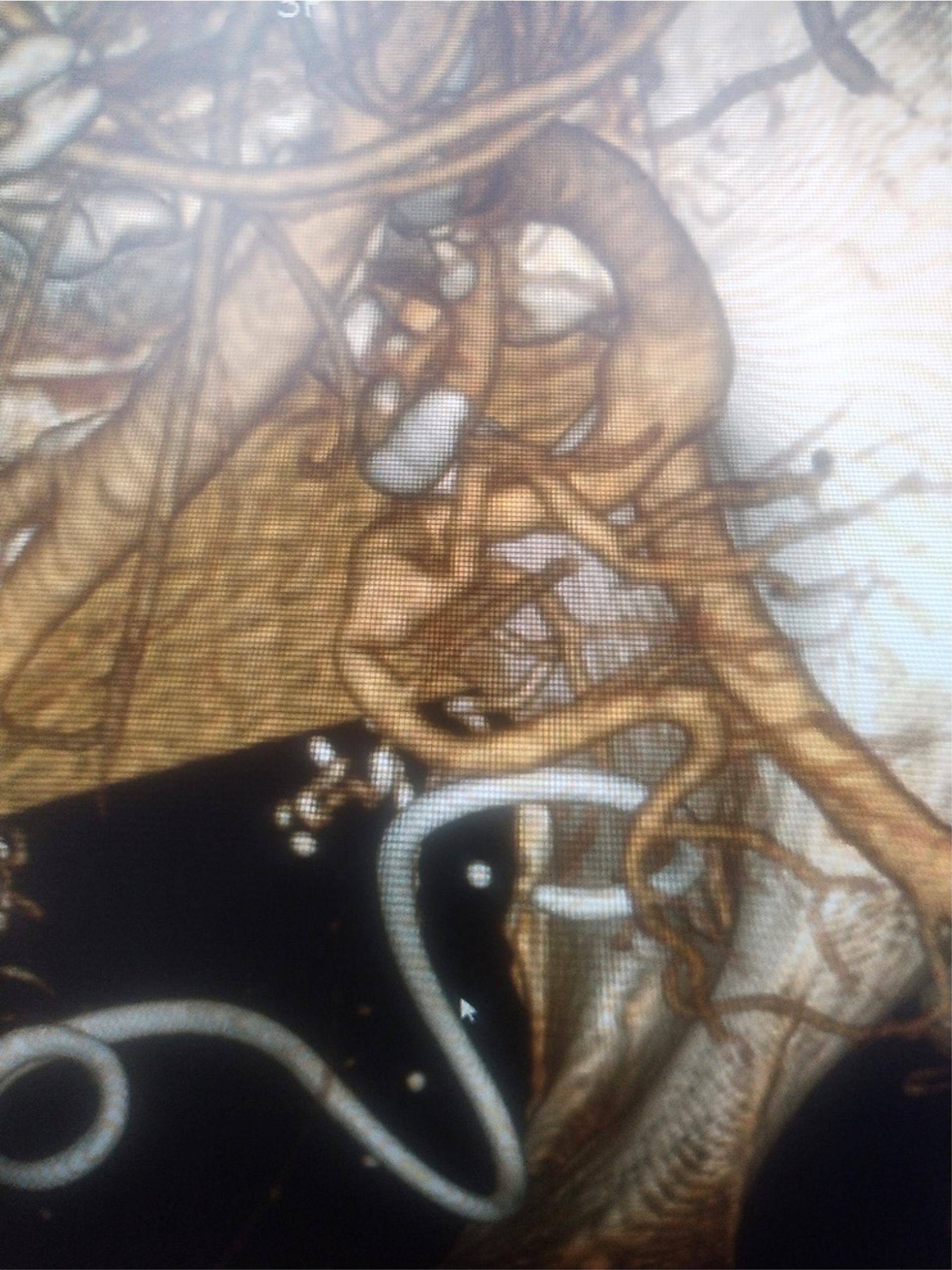
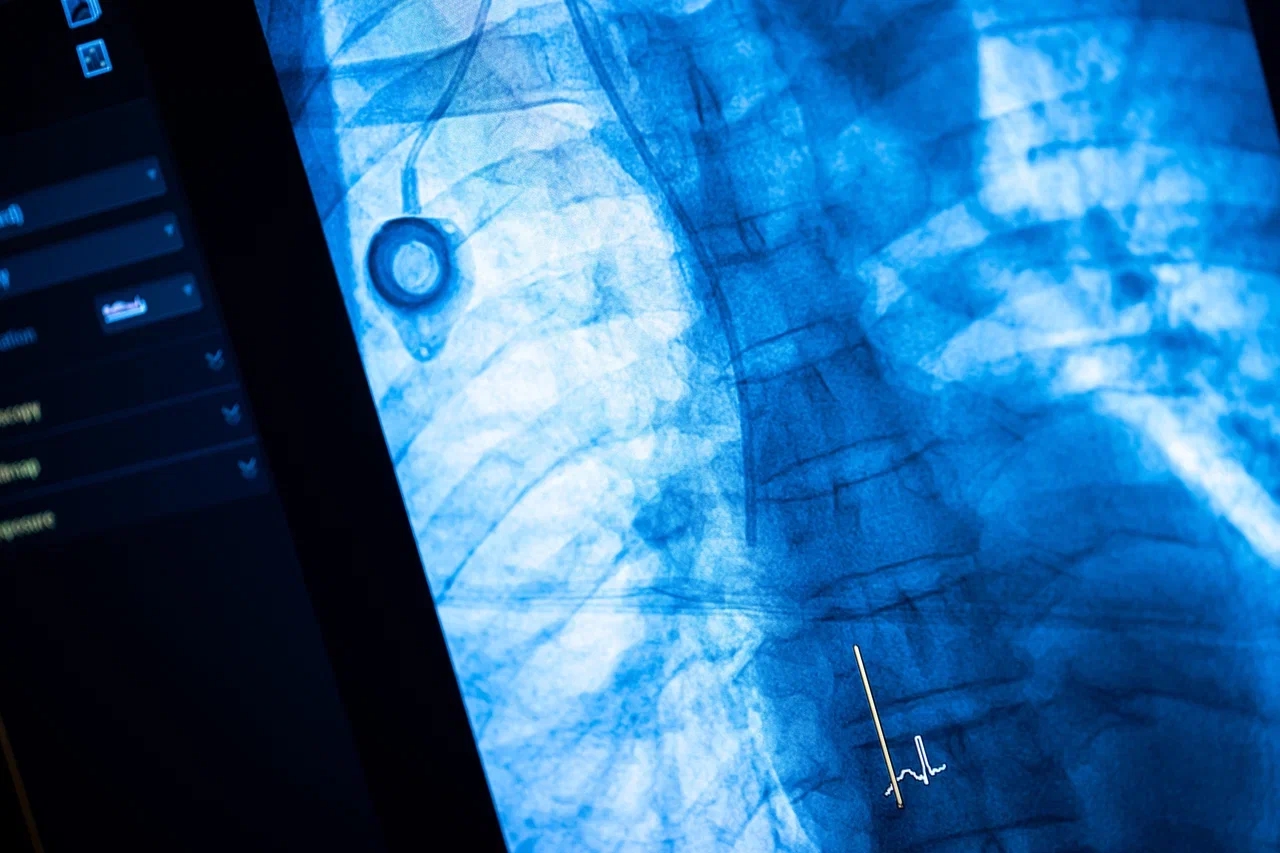
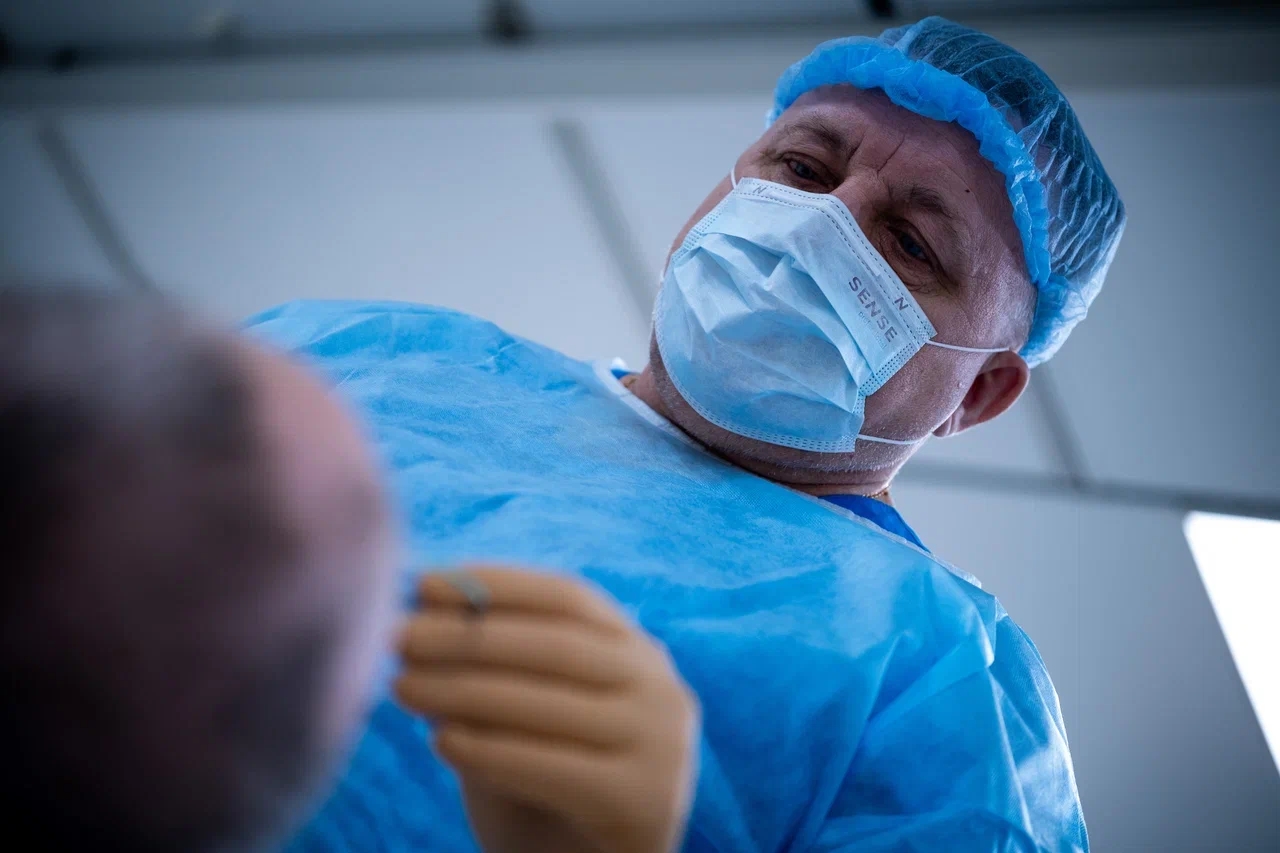
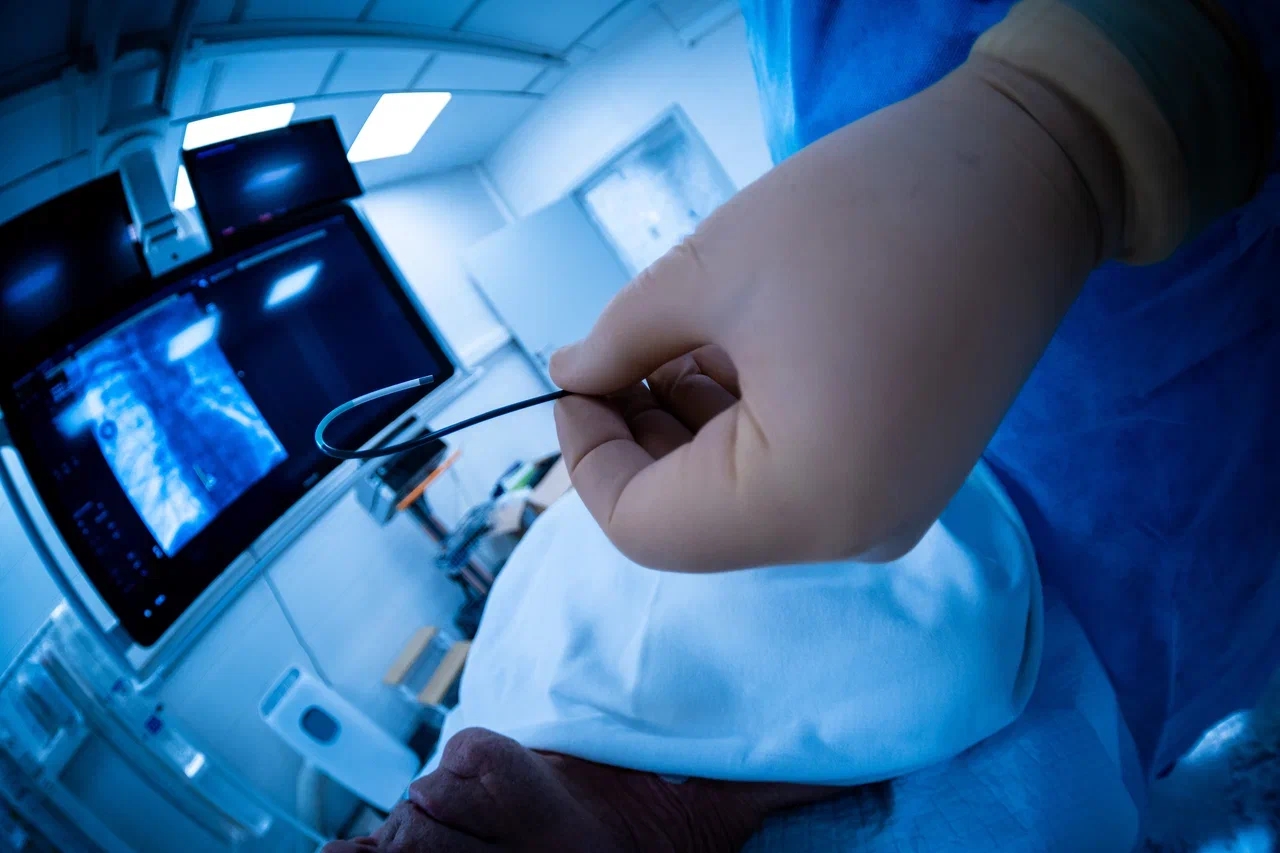
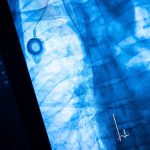
«To determine the cause of the blockage, the patient undergoes a series of tests, including duplex scanning of the renal arteries», – explains Vitaly Loenko, head of the Department of Radiological Surgical Methods of Diagnosis and Treatment. «We assess the blood flow velocity, and if impaired circulation in the transplanted kidney is confirmed, we proceed to restore it. Access for the operation itself is gained through the femoral or brachial artery—we evaluate the anatomical features of the kidney’s vascular basin and perform the main stage of the operation: stenting the transplant renal artery. To date, our Institute has successfully performed five such operations. This is a significant start».
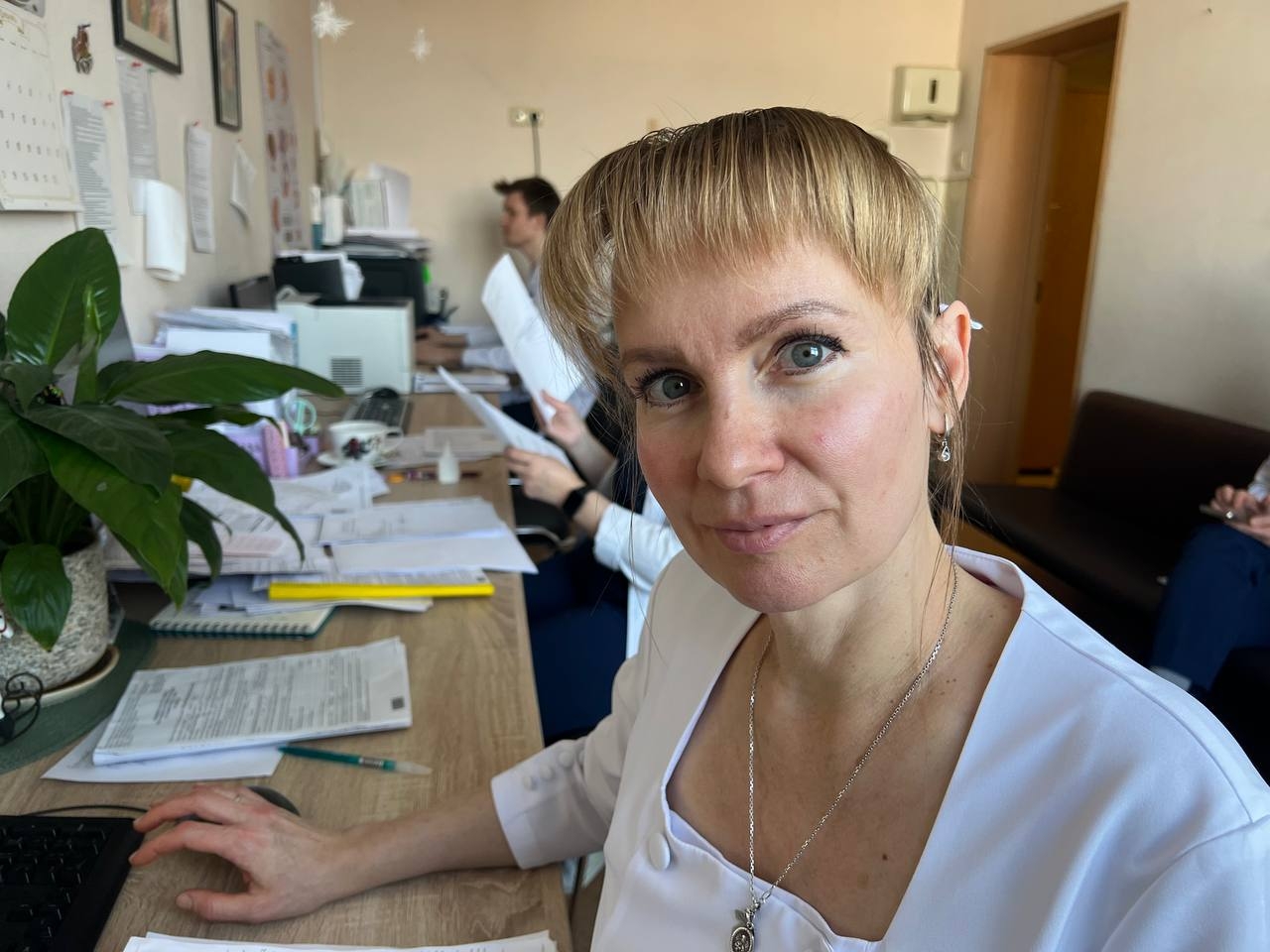
Given the difficulty of detecting and evaluating the circulation of a transplanted kidney, stenting of the renal artery of a graft is currently rare and is performed in specialised medical centres. One of the first patients was a 50-year-old man from the Republic of Crimea. «Back in 2009, he was diagnosed with chronic glomerulonephritis — an immune inflammation of the kidneys, the treatment of which, unfortunately, does not provide a stable effect», recounts the patient’s attending physician, PhD Victoria Ufimtseva. «His kidney function worsened progressively. In May 2024, he underwent allotransplantation of the kidney at our Institute and was discharged home with positive progress. However, just three months later, the patient experienced nausea, dizziness, decreased urine output, increased blood pressure, and returned to us for assistance».
During a detailed examination, the Crimean man was found to have disrupted blood flow in the area of the transplanted kidney’s anastomosis. The situation was saved with the revascularisation of the transplanted kidney, which he successfully underwent. “Today the patient is in constant contact with us, and the tests he sends us are excellent. We are very happy for him, well done!» — Victoria Yuryevna smiles in farewell.