

 +7(800)250-87-00
  +7(495)150-11-22
  +7(499)110-40-67


Diagnosis and treatment of acute leukaemias and lymphomas
The branches of the National Medical Research Radiological Centre of the Ministry of Health of Russian Federation provide diagnosis and treatment of acute leukemias and lymphomas using modern high-tech methods. The laboratory medicine departments of the branches carry out comprehensive immuno-morphocytochemical diagnostics, enabling precise identification of the disease variant and prescribing appropriate treatment.

P. Hertsen Moscow Oncology Research Institute (MORI) contact center:
A.Tsyb Medical Radiological Research Center (MRRC) contact center:

- High-tech laboratory research
- Quality and accuracy
- From diagnosis to treatment
- High-tech medical care (HTMC) – unique technologies, advanced equipment
Immuno-morphocytochemical determination of the disease variant is a key step in diagnosing acute leukemias or lymphoma. The combination of immunophenotyping and comprehensive morpho-cytochemical examination is the “gold standard” in diagnosing these locations.
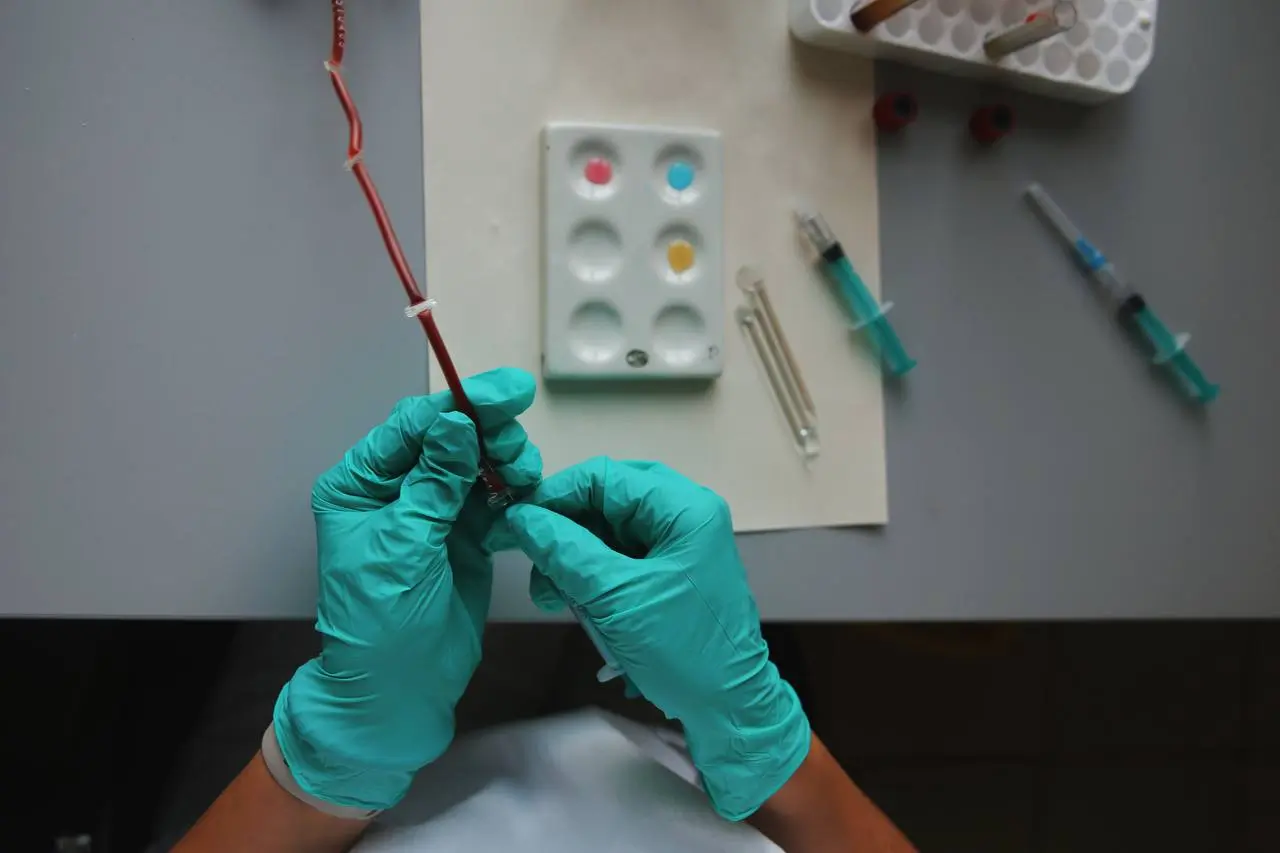
Diagnosis of acute leukemias
Acute leukaemia can develop very rapidly. It is important that all diagnostic procedures are carried out as quickly as possible to determine the type of the disease. Identifying the type of acute leukemias is necessary for selecting treatment, applying the correct chemotherapy regimens, and avoiding fatal consequences in the future. A misdiagnosis can be irreparable. A comprehensive diagnosis of acute leukemias is a complex diagnosis involving pathologists, immunologists, cytologists, geneticists, and clinicians based on a combination of morphological, cytochemical, immunological, and cytogenetic studies, and accurate interpretation of the bone marrow morphological picture in direct comparison with the blood picture.
In the branches of the National Medical Research Radiological Centre of the Ministry of Health of Russian Federation full morpho-cytochemical and immunological diagnostics of the acute leukemias variant are carried out in strict accordance with the recommendations of the World Health Organization and within the framework of European diagnostic protocols. To establish a diagnosis, bone marrow examination is required (not peripheral blood). There may be situations where it is impossible to obtain a sufficient amount of bone marrow for diagnosis; in such cases, both bone marrow and peripheral blood are examined concurrently. Bone marrow aspirate, taken from the sternum or pelvic bones, is placed in a K2EDTA-treated Vacutainer tube and sent to the laboratory.
Experienced laboratory technicians will prepare samples for morpho-cytochemical studies and immunophenotyping from a single specimen. The combined analysis of immunophenotyping and comprehensive morpho-cytochemical examination will allow the most accurate determination of the disease type and prompt initiation of appropriate treatment. The extensive diagnostic panel enables the identification of individual features of the blast cell immunophenotype and the use of these criteria to assess minimal residual disease during therapy. Morpho-cytochemical preparations and immunophenotyping data are stored indefinitely, allowing for review if necessary.

Lymphoma Diagnosis
Lymphoma is a collective term for a range of neoplastic diseases of the hematopoietic and lymphoid systems. According to the recommendations of the World Health Organization (WHO), more than 50 different subtypes of such diseases are currently identified, each with its own distinct characteristics. These characteristics are determined based on morphological, histological and immunological studies. If the results of these investigations do not provide clarity in the diagnosis, the doctor will perform a lymph node biopsy with immunohistochemical analysis and additional cytogenetic studies. At the Hematology and Chemotherapy Department of the A. Tsyb MRRC and at the High-Dose Chemotherapy Department with the Bone Marrow Transplant of the P. Hertsen MORI, a comprehensive immunological diagnosis of the lymphoma variant is carried out in strict accordance with the recommendations of the World Health Organization and European diagnostic protocols. Diagnosing lymphoma is a complex, multi-component analysis involving morphologists, cytologists, immunologists and flow cytometry specialists.
For an accurate diagnosis, it is necessary to examine samples of peripheral blood, bone marrow (both aspirate and trephine biopsy material), and lymph node biopsy material. However, in some cases, an immuno-morphological study of peripheral blood or bone marrow aspirate is sufficient for a correct diagnosis. At the diagnostic stage, the criteria required to determine minimal residual disease are assessed. This study is carried out by the laboratories of the National Medical Research Oncological Centre of the Ministry Health of the Russin Federation. For this purpose, the material under investigation is placed in a K2EDTA-treated vacutainer tube and sent to the laboratory. In the laboratory, the cell composition of the material will be analysed, cell morphology evaluated, and immunophenotypic analysis performed. This set of methods will allow for a clear and rapid determination of the presence and type of lymphoproliferative disease and enable the prompt initiation of appropriate therapy.
Treatment of lymphomas and acute leukemias is carried out individually, taking into account the immunomorphological type, molecular genetic characteristics, and stage of the disease. Various chemotherapy regimens, radiotherapy, and, if necessary, bone marrow transplantation are used in the branches. All treatment decisions are made at a specialist panel, including oncologists and radiotherapy doctors.

Minimal Residual Disease
Assessing the quantity of residual tumor cells during therapy or at the end of treatment is essential for making decisions about further treatment or for evaluating the effectiveness of the treatment provided. In the Hematology and Chemotherapy Department of the A. Tsyb MRRC and in the High-dose Chemotherapy Department with a Bone Marrow Transplantation Unit of the P. Hertsen MORI, an immunological assessment of the number of minimal residual disease cells using multicolour flow cytometry methods is conducted based on the individual characteristics of the tumor immunophenotype obtained during primary diagnosis. This study is necessary (a standard procedure) and justified in the treatment of acute lymphoblastic leukaemia in both children and adult patients. In this case, a bone marrow aspirate is evaluated., an immunological assessment of the number of minimal residual disease cells is performed based on the individual features of the tumour immunophenotype obtained during the initial diagnosis, using multicolour flow cytometry methods. This examination is necessary (standard practice) and justified during the therapy of acute lymphoblastic leukaemia in both children and adult patients. In this case, a bone marrow aspirate is assessed.
The assessment of minimal residual disease as a criterion for therapy effectiveness is also conducted in B-cell chronic lymphocytic leukaemia and a number of other B-cell lymphomas. In this case, blood cells are analysed. For this purpose, the sample material is placed in a K2EDTA-treated vacutainer tube and sent to the laboratory. Immunological assessment of the number of CLL cells is carried out only in combination with the morphological characteristics of the sample cells.
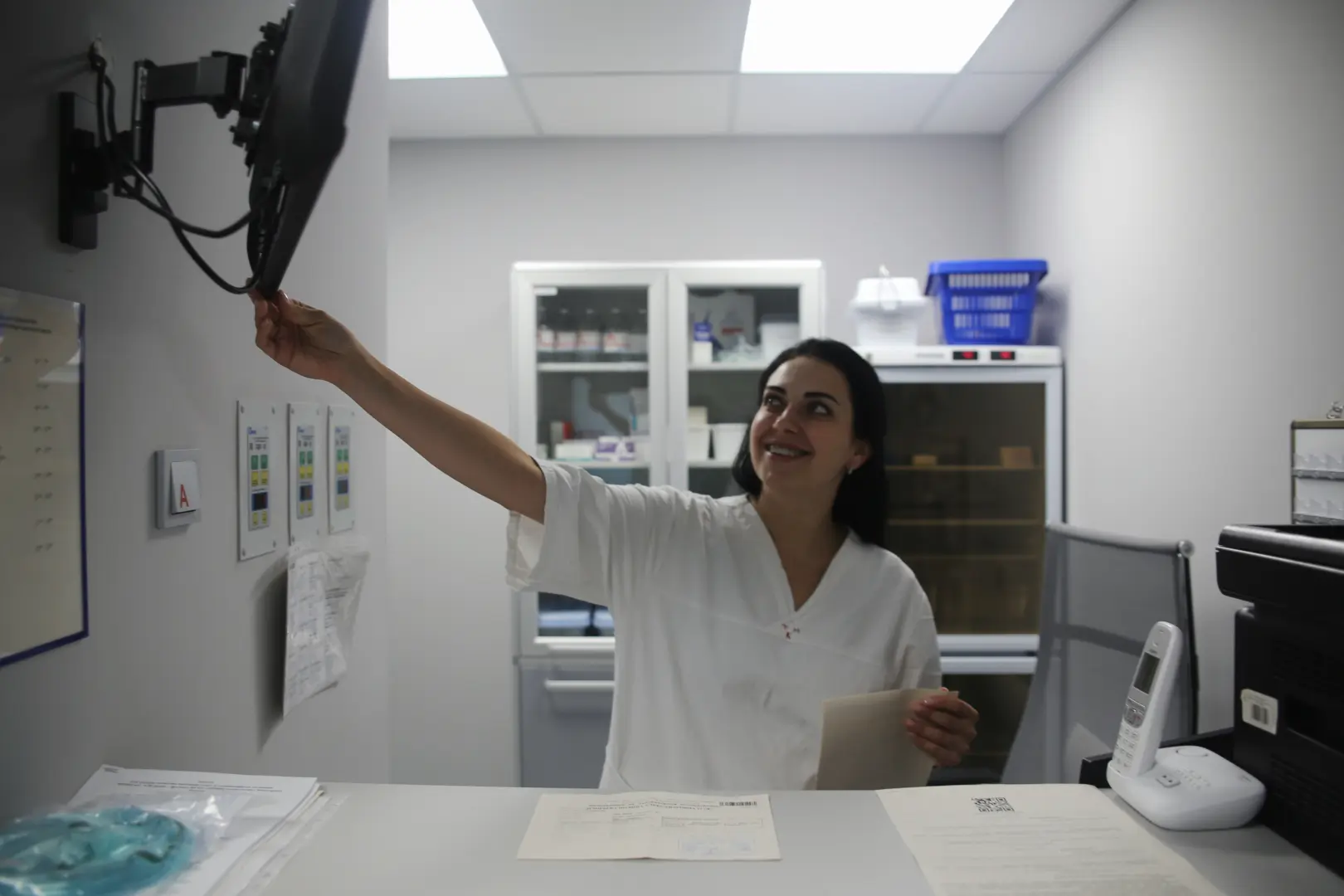
Treatment of lymphomas and acute leukemias
The treatment plan for lymphomas is determined individually and depends on the immunomorphological type of the disease, its molecular-genetic characteristics, stage, presence of prognostic factors and general symptoms. As a rule, lymphomas are treated with antitumor drugs or their combinations with radiotherapy. Several doctors, including a hematologist-oncologist and a radiotherapy specialist, and in some cases a transplantologist (a doctor specializing in bone marrow transplantation), are involved in determining the treatment strategy and monitoring the therapeutic process. In cases of disease relapse and when the tumor does not respond to the treatment program, it may be possible to switch to the administration of anti-cancer drugs in high doses (high-dose therapy) followed by a bone marrow transplant to restore hematopoiesis, or treatment with drugs belonging to the biological group of monoclonal antibodies. Surgical methods are rarely used for treating lymphomas, except for performing a biopsy of the affected lymph node or tissue. The main treatment for acute leukemias is chemotherapy. Depending on the type of disease, different chemotherapy courses are used: from intensive pulse courses to long-term programmed therapy over 2-3 years.
Patient recommendations: what you need to know about your blood!

If cancer is suspected
The development of any malignant process (simply put, cancer) is always associated with changes detectable in peripheral blood tests. Even if the disease has not yet manifested, with no visible external signs or pain, certain abnormalities will certainly be present in the blood. Therefore, regular blood tests are advisable and necessary for everyone. What tests are necessary? It is best to start with a simple one – a complete blood count: biochemical analysis, assessment of the immune system, that is, evaluation of the immune status, or, in other words, an immunogram. At present, there is a misconception that assessing the immune status is a test that provides no useful information.
It is well known that the development of malignant neoplasms is accompanied by a decrease or redistribution of both cellular and humoral (changes in the composition and quality of certain immunological indicators) immunity, so detecting such changes can play an important role in diagnosis, even at the earliest stages. Detected changes in the immunogram do not necessarily mean that you have cancer. However, further investigation is required to determine the true causes of the abnormalities. The completeness of immunological studies (a comprehensive assessment of immunity) and accurate interpretation of the data are very important, as this will help avoid unnecessary, often unwarranted treatments, or, conversely, prompt more in-depth diagnostics. An immunogram is important if you are prescribed immunocorrective therapy.

Diagnosis and treatment of lymphomas and leukemias
To enhance treatment effectiveness and reduce the risk of complications, it is important to properly prepare the body for the upcoming procedures. Preparation includes prescribing infusion solutions to replenish fluids and electrolytes, medications to boost metabolic activity, as well as hepatoprotective agents to protect the liver and various symptomatic remedies to prevent adverse reactions. To support the health of the nervous system and blood cells, the intake of amino acid complexes may be recommended. In some cases, adaptive immunotherapy is used, aimed at strengthening the immune response and improving the patient’s overall condition. This comprehensive approach helps to better tolerate treatment and increases the chances of successful recovery. At the branches of the NMITs of Radiology, consultations with allergist-immunologists and oncologist-immunologists are held at the outpatient clinic on Mondays and Wednesdays from 13:00 to 18:00. Here you can receive qualified support and recommendations for preparing for treatment.
If you suspect acute leukemias or lymphoma, you should consult specialists at the A.Tsyb MRRC (Obninsk) or at the P. Hertsen MORI (Moscow).
High-Dose Chemotherapy Department with Bone Marrow Transplantation Unit at P.Hertsen MORI – Head of department, PhD in Medicine, Maria Andreevna Vernyuk.
Clinical Immunology Department at the A.Tsyb MRRC – Doctor of Biological Sciences, Lyudmila Yuryevna Grivtsova.
Drug Treatment of Malignant Neoplasms Department at the A.Tsyb MRRC -Doctor of Medical Sciences, Natalia Alexandrovna Falaleeva.

Patient route
To determine the need for diagnostic procedures, patients suspected of having acute leukemias or lymphoma must contact the branches of the NMRC of Radiology directly.
The decision regarding the method of treatment is made at an extended multidisciplinary meeting. To obtain a referral for inpatient or day hospital treatment, a consultation with a hematologist is required.