

 +7(499)110-40-67


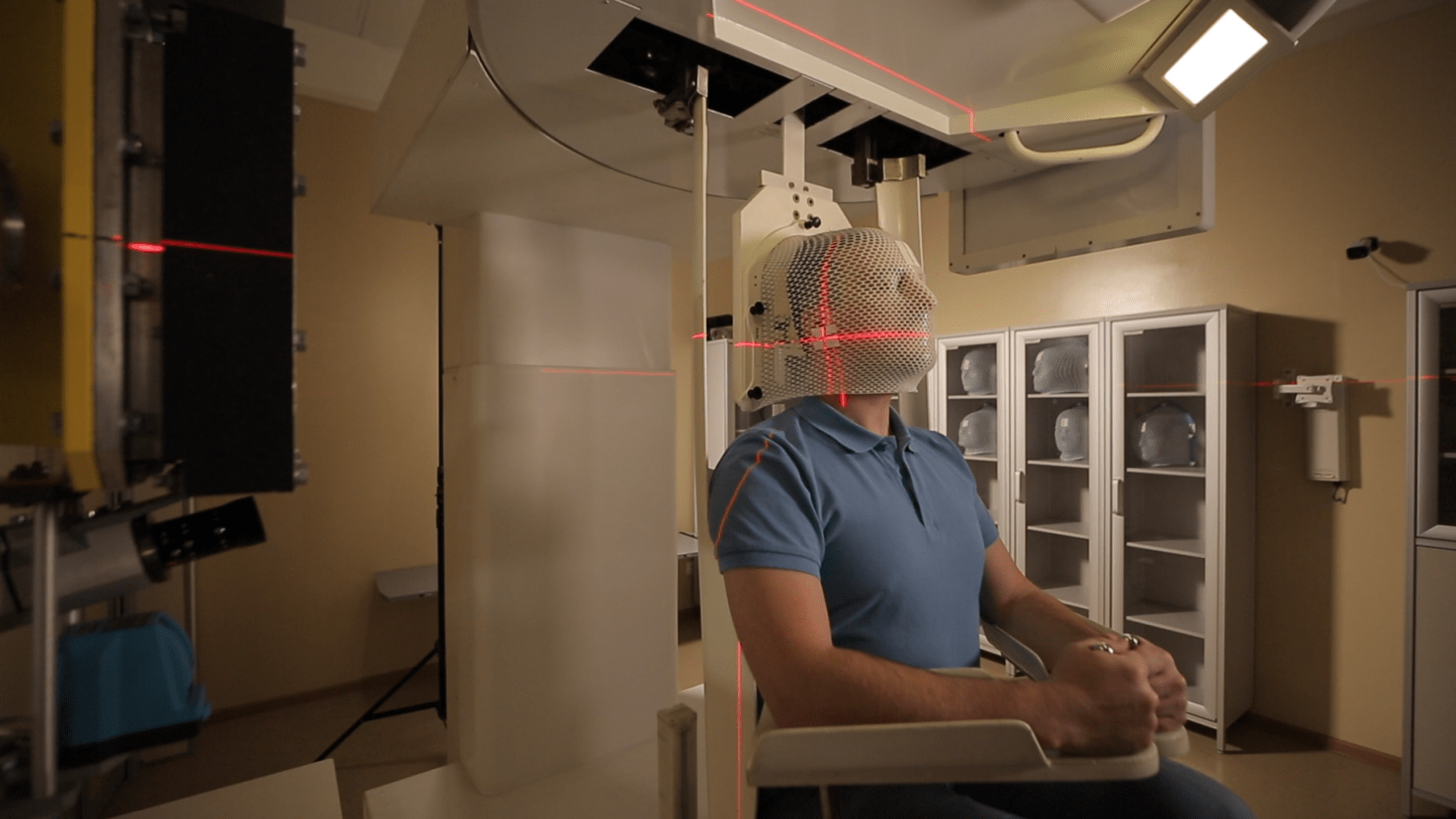
Radiation and proton therapy
National Medical Research Radiological Centre of the Ministry of Health of the Russian Federation has at its disposal all types of modern beam installations, including gamma and cyberknives, the first and only Russian proton accelerator Phrometheus, what enables to irradiate all kinds and sizes of malignant tumors

Contact center at P. Hertsen Moscow Oncology Research Institute (MORI)
Contact ceter at A. Tsyb Medical Radiological Research Center (MRRC)
- Accuracy
- Safety
- Treatment Optimization
- High-Tech Care
Every year, almost 5,000 patients at the National Medical Research Radiological Centre are treated with radiation and proton therapy, including those with rare or complex brain tumors, such as glioma, meningioma, pituitary tumors, skull base tumors, brain metastases, oral cavity and neck tumors. The available beam installations allows to irradiate tumors of any localization, volume and configuration, located at any depth of organs and tissues.
Branches and departments where radiation and proton therapy treatments are performed


The P. Hertsen Moscow Oncology Research Institute has unique opportunities to treat patients with peritoneal carcinomatosis, having in its arsenal the whole complex of the latest therapeutic and surgical methods.


Proton and photon therapy is a targeted and safest method of radiation therapy.
The Department of Radiation Therapy of A. Tsyb MRRC consists of 4 subdivisions: Proton and Photon Therapy Department, Radiotherapy Department, Clinical Dosimetry and Topometry Department, Local and General Hyperthermia Department.

Radiation therapy is one of the most effective and demanded treatment methods in oncology. It is necessary for at least 60 percent of cancer patients at different stages of treatment.
How does a patient sign up for treatment?

Recommendations for patients
To determine the treatment strategy, you should consult an oncologist at the outpatient clinics of the following branches: P. Hertsen MORI or A. Tsyb MRRC.
The initial consultation is free of charge and can be scheduled through the information centers of the branches of the National Medical Research Radiological Centre of the Ministry of Health of the Russian Federation. The doctor will then prescribe further examinations, if necessary, which can be performed at your place of residence under compulsory medical insurance.
The decision on hospitalization and the issuance of a quota for radiation or proton therapy is made by a councilium of doctors, appointed by the oncologist during the initial consultation.