

 +7(499)110-40-67
 +7(495)150-11-22
 +7(800)250-87-00


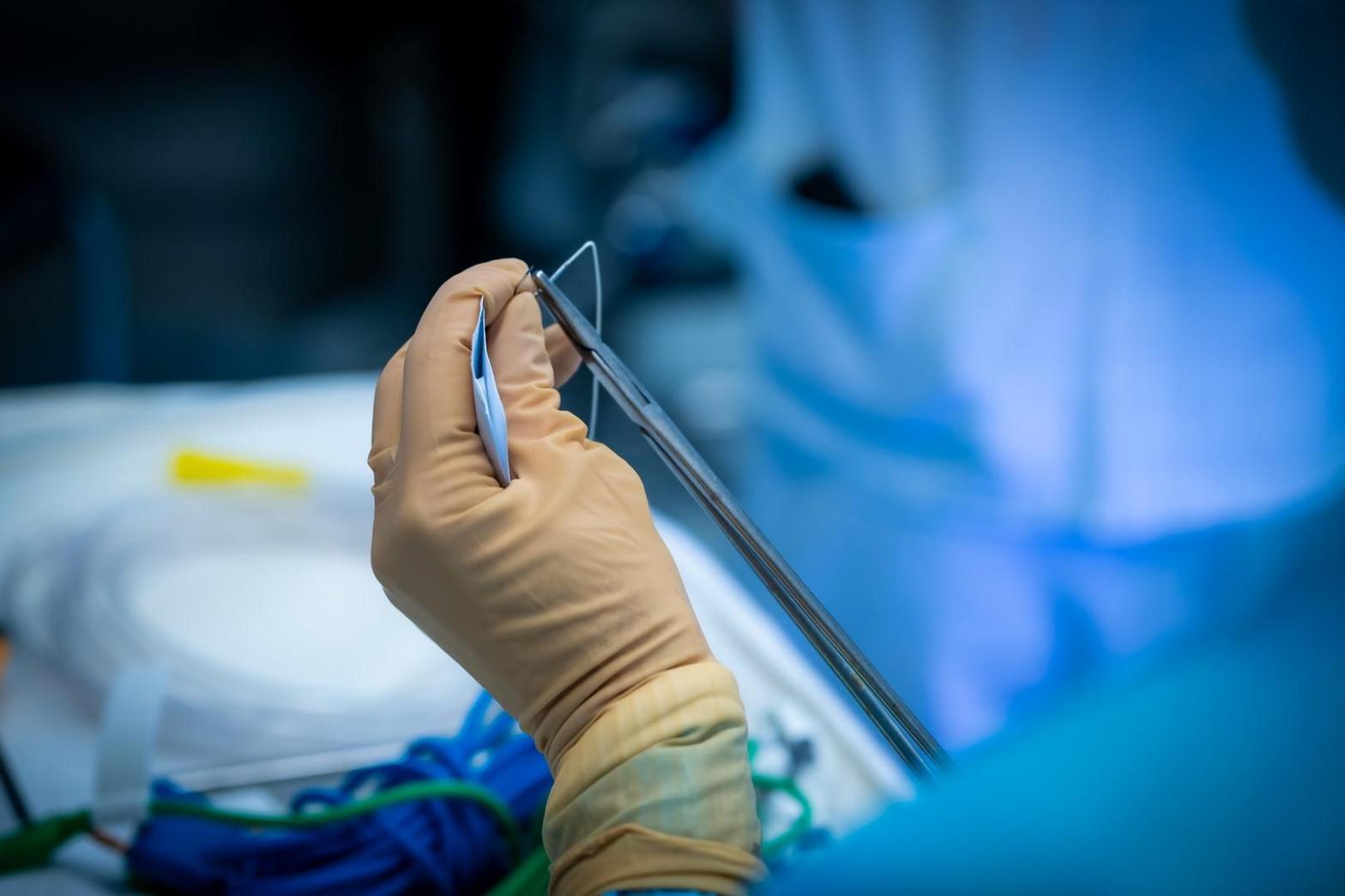
Stoma Closure in the Surgical Department with Combined Treatment Methods at the N. Lopatkin Scientific Research Institute of Urology and Interventional Radiology
A stoma is a surgically created opening (anastomosis) through which the lumen of the intestine is brought out to the anterior abdominal wall. The purpose of creating a stoma is to ensure the diversion of intestinal contents and gases, bypassing the lower sections of the intestine, when natural passage is impossible or undesirable for medical reasons.
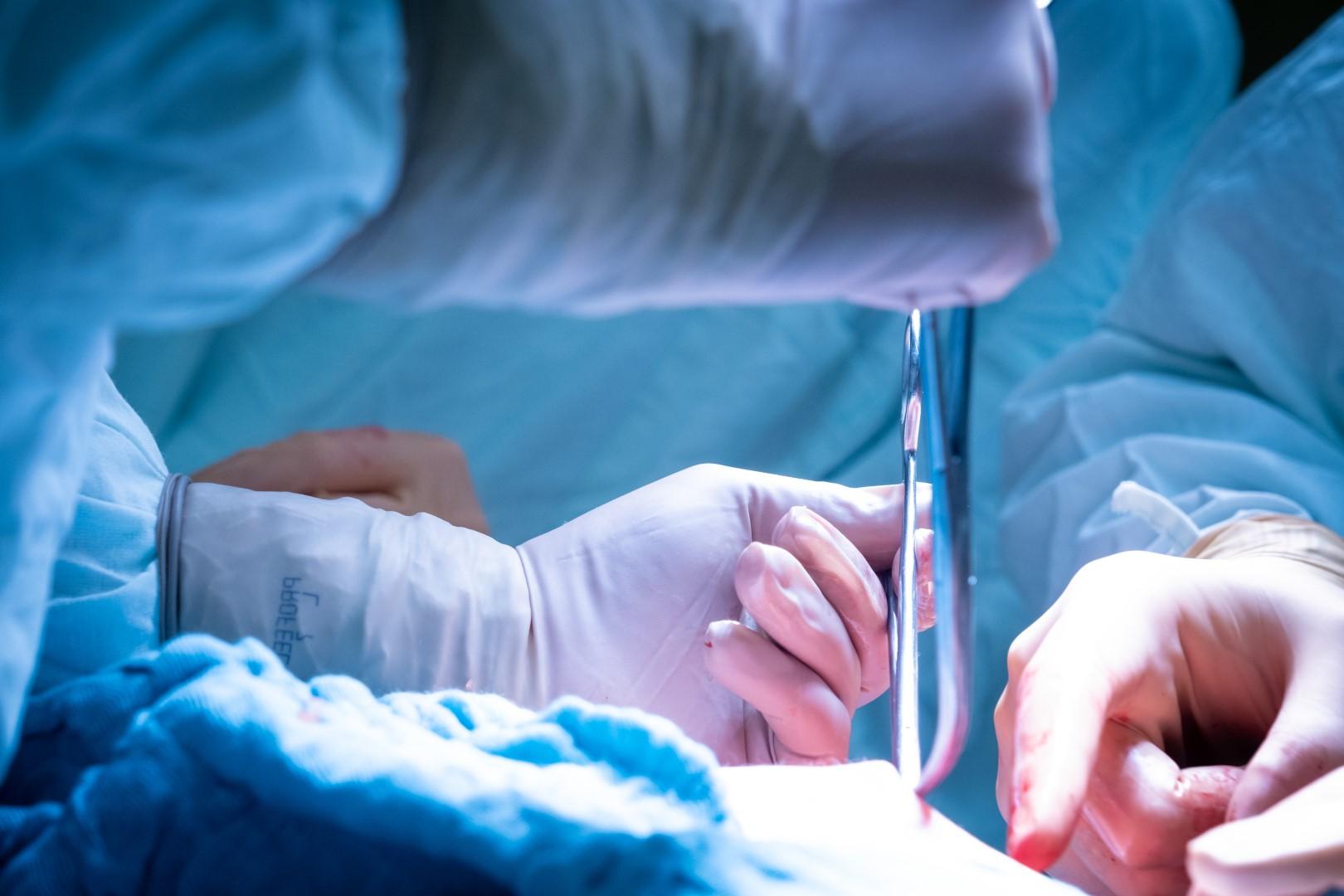
Why a Stoma Is Created
Stoma formation surgery is necessary for patients in whom conservative treatment of intestinal diseases is ineffective. Such pathologies include:
- colorectal cancer;
- chronic ulcerative colitis;
- Crohn’s disease;
- mechanical injuries (traumas) of the intestine;
- congenital developmental anomalies.
The stoma on the patient’s body is a section of the intestinal mucosa brought out to the abdominal skin. In the first days after surgery, the stoma may protrude above the skin by 1 cm or more due to postoperative edema. Normally, the stoma is moist and pink or reddish, indicating good blood supply. Minor bleeding during stoma care is possible — this is normal, as the mucosa is easily traumatized. Minor contractions (peristalsis) may also be observed; this is a physiological phenomenon.
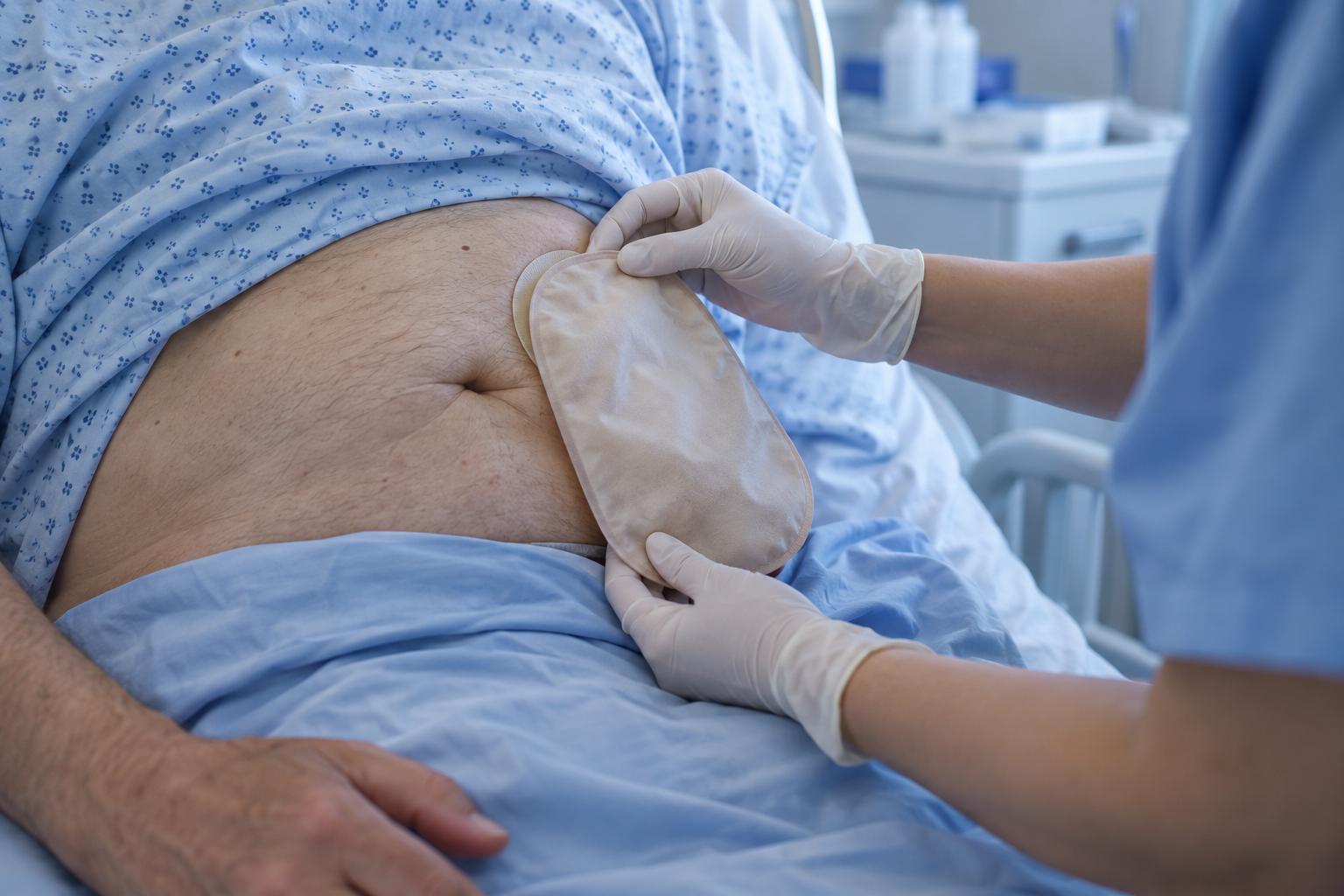
Temporary or Permanent Stoma
A stoma can be temporary or permanent. A temporary stoma is created to protect a surgical anastomosis (the site where the bowel segments are connected), reduce stress on the sutures, or allow healing of a section of the intestine. Once the reason that necessitated the stoma has been resolved, a closure surgery is performed.
A permanent stoma is created when restoration of the natural passage of intestinal contents is impossible — for example, after extirpation of the rectum with removal of the sphincter.
Stoma closure is a planned reconstructive surgery performed only after complete healing of the intestinal sutures and normalization of the patient’s condition. Standard timelines depend on the reason for stoma formation:
After intestinal resection:
Minimum recovery period — 2–3 months; optimal timing — 3–6 months.
After peritonitis:
Minimum recovery period — 4–6 months; optimal timing — 6–12 months.
After trauma:
Minimum recovery period — 3 months; optimal timing — 4–6 months.
For Crohn’s disease / colitis:
Recovery period — not earlier than 6 months, and only during remission.
If chemotherapy was administered after the initial surgery, stoma closure is usually planned after completion of the treatment course — in 6–12 months.
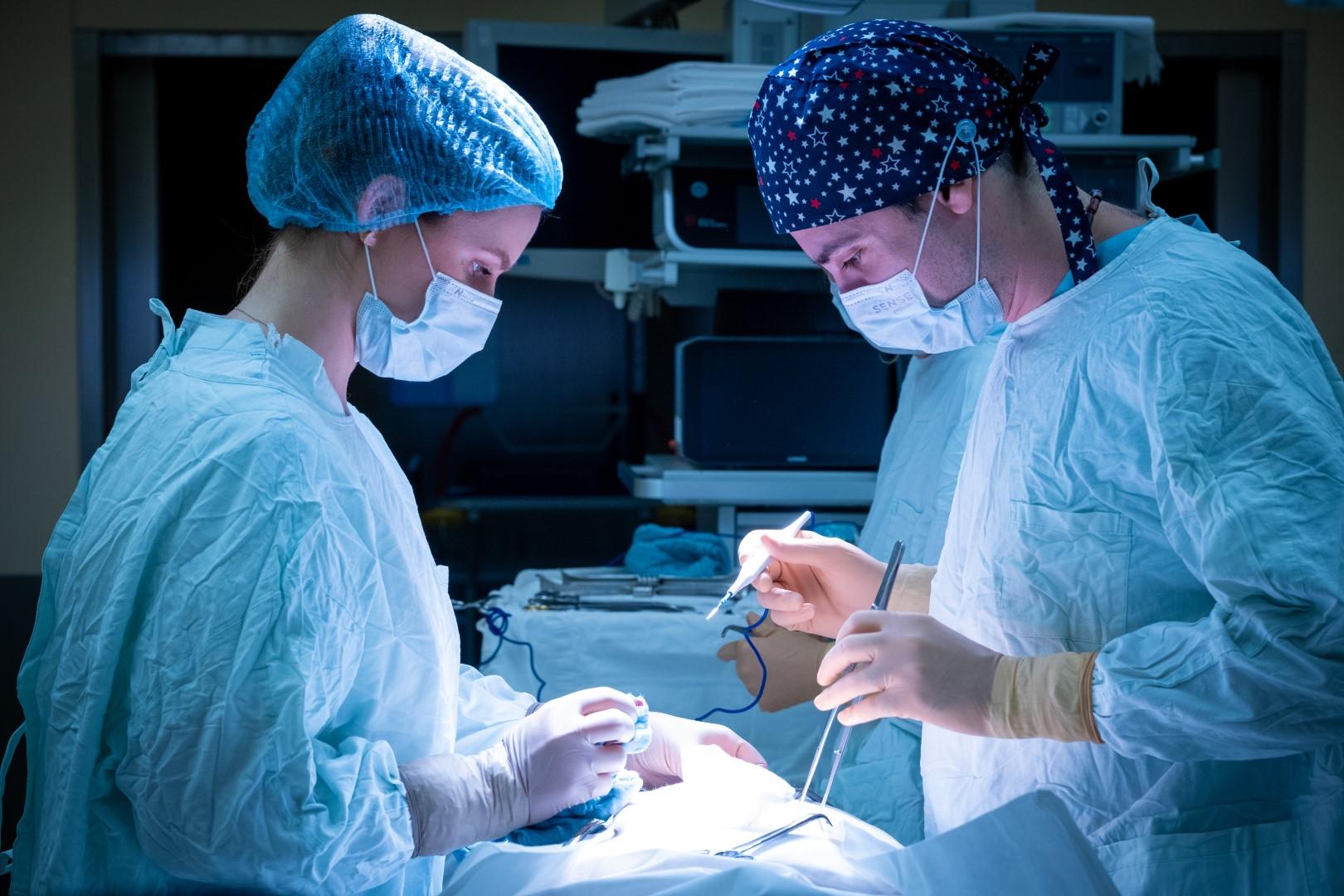
How Stoma Closure Surgery Is Performed
Stoma closure is a full‑scale abdominal surgery under general anesthesia, lasting from 40 minutes to 2.5 hours, depending on the complexity of the case.
Preoperative examination includes:
- irrigoscopy (a radiological study with barium) or contrast‑enhanced CT to assess the patency and integrity of the intestine;
- blood tests to monitor hemoglobin levels, inflammatory markers, and other parameters;
- consultations with a surgeon and an anesthesiologist, and, if necessary, with a therapist, cardiologist, and other specialists.
The surgical method is chosen depending on the clinical situation:
- Laparoscopic approach — less traumatic, performed through small punctures. It ensures faster recovery, reduced pain, and a lower risk of complications.
- Laparotomy approach — a classic incision on the abdominal wall. Used in cases of severe adhesions or after previous abdominal surgeries.
Main stages of the surgery:
- Dissection of the skin around the stoma while preserving healthy tissues and blood vessels.
- Release of the intestinal loops from scar tissue and adhesions.
- Formation of an anastomosis — suturing the ends of the intestine to restore its continuity.
- Checking the integrity of the sutures; if necessary, placement of a drain.
- Layered closure of the wound, possibly with cosmetic sutures.

Postoperative Period and Rehabilitation
After surgery, the patient stays in the hospital for 3 to 10 days under 24‑hour medical supervision. On the first day, a fasting regimen is prescribed — this allows the intestine to “rest” and reduces the risk of complications. From the second or third day, if the patient’s condition is stable, liquid, gentle foods are gradually introduced.
Diet. For the first 2–3 weeks, a gentle diet (Diet No. 4) is recommended: easily digestible foods, broths, boiled meat, water‑based porridges, and thermally processed vegetables. Foods that cause excessive gas formation are excluded: fresh vegetables and fruits, legumes, bread. Eating should be fractional — 5–6 times a day in small portions. After a month, if there are no individual restrictions, the patient can gradually return to their usual diet.
Physical activity. For the first 3 months, lifting heavy objects is limited (no more than 5 kg); strength training and abdominal exercises are excluded. This is due to the risk of developing a postoperative hernia. Walking, light jogging, and strolls are allowed and beneficial. After 3 months, if recovery is successful, these restrictions are lifted.
Restoration of intestinal function. In the first 2–4 weeks after stoma closure, bowel movements may be unstable — more frequent and loose. This is a normal reaction: the section of the intestine that was “bypassed” for months is re‑establishing its motility and ability to absorb water. Gradually, the frequency decreases, and the stool becomes formed.
Advantages of Treatment at the Surgical Department of the N. Lopatkin Scientific Research Institute of Urology and Interventional Radiology
The Surgical Department with Combined Treatment Methods is an expert‑level center where the full range of surgical interventions on the abdominal organs, retroperitoneal space, and abdominal wall is performed.
Multidisciplinary approach. Surgeons work as a team with endovascular surgeons, oncologists, and resuscitation specialists, enabling treatment of complex patients who are turned away by other clinics. Treatment tactics are decided at a multidisciplinary board.
Minimally invasive technologies. The widespread use of laparoscopy allows complex surgeries, including oncological ones, to be performed without large incisions. Robotic surgery with the Da Vinci system is used for tumors of the colon and pelvic organs — the technology ensures high precision, minimal invasiveness, and rapid patient recovery.
Combined treatment. Thanks to the close collaboration with the Department of Interventional Radiology, oncology patients receive comprehensive treatment that combines surgery with interventional techniques.
Individualized approach. The surgical method is selected strictly on an individual basis, taking into account the patient’s anatomy, diagnosis, and comorbidities. Patients can be accommodated in 1‑ or 2‑bed rooms with enhanced comfort.
Accessibility of treatment. The department serves patients regardless of the payment method: under the compulsory medical insurance (OMS) policy without queues or hidden fees, under voluntary medical insurance (DMS) programs, and on a paid basis with a transparent pricing policy.
Appointment and Consultation
To evaluate the possibility of undergoing stoma closure surgery, the patient should contact the call center of the N. Lopatkin Scientific Research Institute of Urology and Interventional Radiology at +7 (499) 110‑40‑67. For an in‑person consultation, the patient will need to provide medical documentation containing up‑to‑date information about the treatment received and the results of examinations.